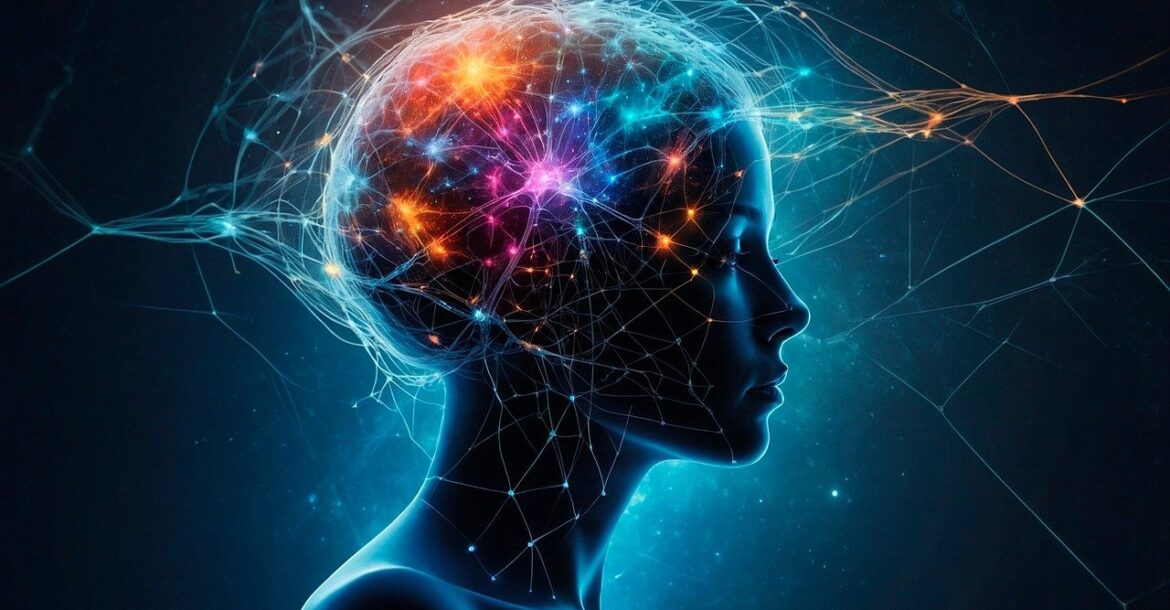

The concept of the unconscious mind was introduced by Sigmund Freud in the late 19th and the early 20th century. He believed that there is a layer of the mind deeper than our conscious awareness, called the unconscious mind.
It is a part of the mind that is mysterious and it influences much of who we are without us even realising it.
The unconscious mind has a big role in controlling our emotions and reactions. For example, we may feel anxious or happy without understanding why – this is the unconscious mind at work. It can influence our behaviours even if we cannot consciously remember the cause. For instance, before leaving home, we might feel compelled to double-check that our shoe laces are tied, and we do so without even realising it.
Dreams are like fascinating windows into the unconscious mind revealing hidden desires, fears and emotions that we might not even be aware of in our waking lives.
During sleep, particularly in the deep sleep stage known as REM (Rapid Eye Movement), when the brain becomes highly active and dreaming usually occurs, the unconscious mind brings forth dreams derived from our various experiences, memories, desires, and fears. For example, a dream about flying might represent freedom or escape. Psychologists like Sigmund Freud and Carl Jung believed that these symbols reveal deep truths about one’s inner world. Dreams also help us process complex emotions, especially for those who may struggle with them.
Dreams are a way of communicating through which the unconscious mind speaks to us and the unconscious mind controls our dreams.
Read More
- What Shakespeare knew about economics before economists did
- Respect is earned, not expected: Rethinking the teacher-student relationship
- Never underestimate a woman who enjoys her own company
- Rethinking schooling in the age of Artificial Intelligence
- Reeling from endless social media content? Pause the doomscroll, rewind to screen-free time





