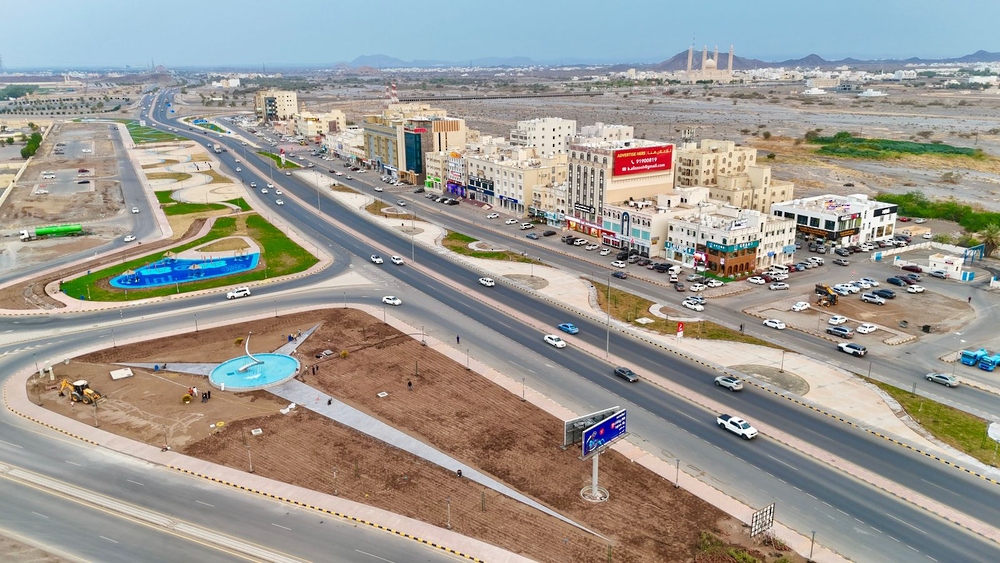

Muscat: Recent government data reveal that 79 projects have already been completed in the governorate, with an investment totalling approximately RO 11 million. Meanwhile, 68 projects are in progress, valued at over RO 30.5 million, while an additional 36 projects are in the contracting stages with a budget allocation of nearly RO 20 million.
According to His Excellency Sheikh Hilal bin Saeed Al Hajri, Governor of Al Dakhiliyah, these projects reflect an ambitious vision to meet citizens’ needs efficiently. With ongoing improvements to roads, health facilities, and green spaces, the governorate aims to provide enhanced services for the community while creating economic growth and job opportunities. Additionally, 14 more projects are planned for the next phase, projected at RO 13.4 million.
His Excellency stated that the aim is to enhance sustainable development and improve the standard of living, noting that these projects are expected to contribute to enhancing economic growth, providing new job opportunities and improving basic services.
Read More
- Oil explodes back above $90 as US-Iran tensions reignite
- Muscat power production rises 197% as Oman posts 4.5% overall growth
- Survey launched to track learning access and skills across Oman
- HDFC Bank CEO Sashidhar Jagdishan to retire in October after deciding against reappointment
- RO 45 million Samail Hospital to bring advanced care closer to Oman’s Al Dakhiliyah
His Excellency added that the strategy that the governorate is working on is based on promoting natural resources, cultural and natural heritage, and achieving an effective partnership between the public and private sectors in order to create investment opportunities through which it seeks to achieve economic and developmental returns and enhance added value, adding that the governorate seeks to activate the local administrations of the states by involving them in preparing joint work plans and teams.
Highlighting the importance of tourism, the governorate has revitalized heritage sites like the iconic Nizwa Fort and Bahla Fort, as well as Misfat Al Abriyeen in Al Hamra. Efforts are also underway to develop new tourist destinations, such as the “Green Mountain” and Jebel Shams, fostering adventure tourism and providing year-round attractions.
Major infrastructure projects include the dualization of key roads, the Nizwa Public Park project, and the addition of public transport facilities. Investments also extend to education, health, and small enterprise development, supporting a thriving, inclusive economy.





