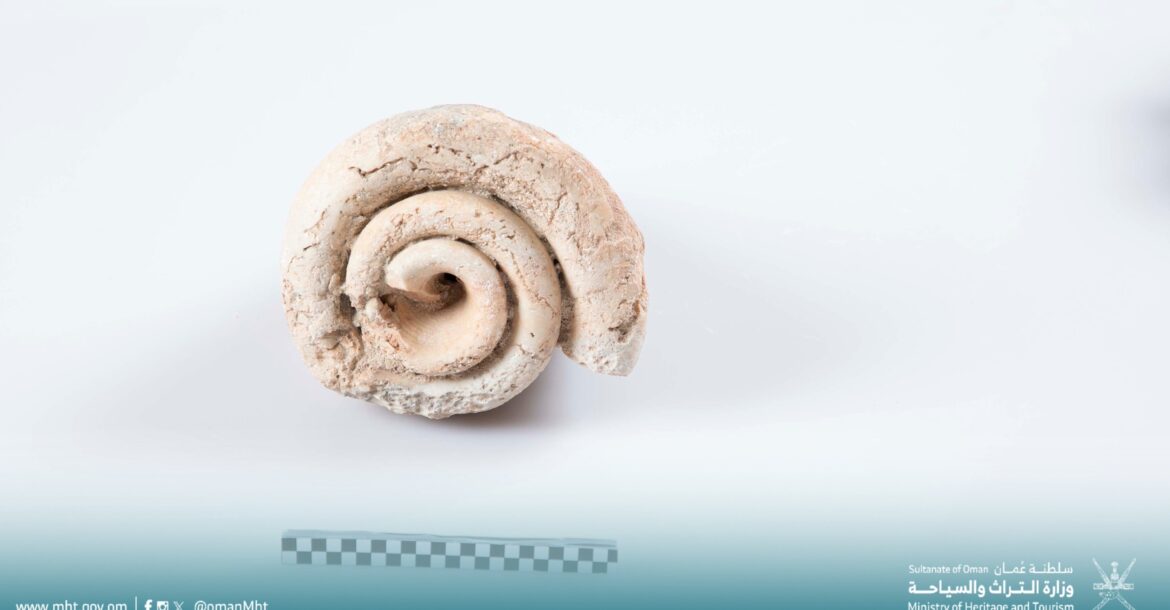

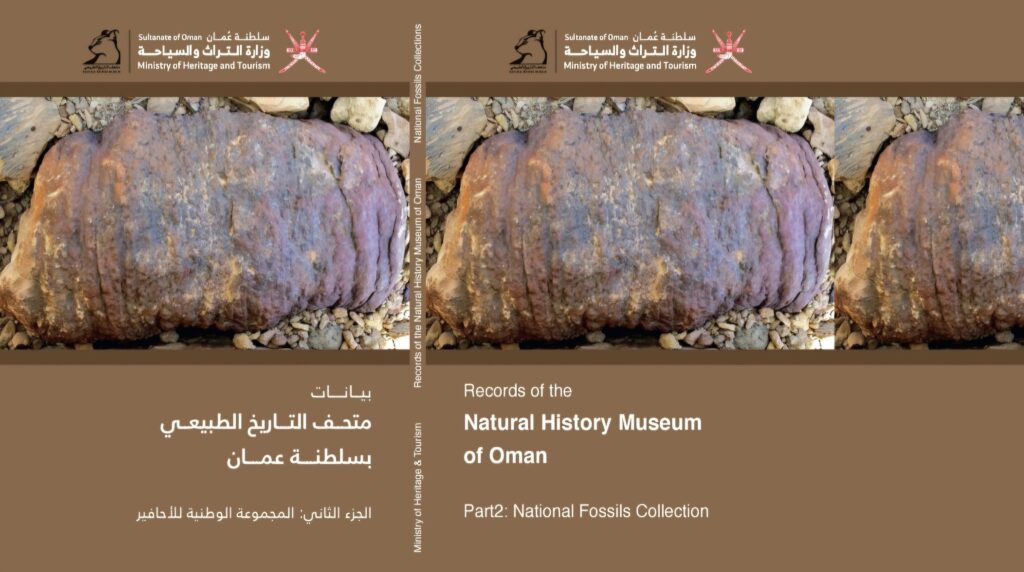
MUSCAT : This comprehensive 111-page booklet offers an introduction to fossils, their formations, classifications, and scientific names of specimens preserved in the museum.
The booklet documents the descriptive and age data of various fossils, along with the locations from which they were collected throughout the Sultanate of Oman. Fossils are defined as the remains and traces of ancient living organisms – both animals and plants – preserved in geological formations.
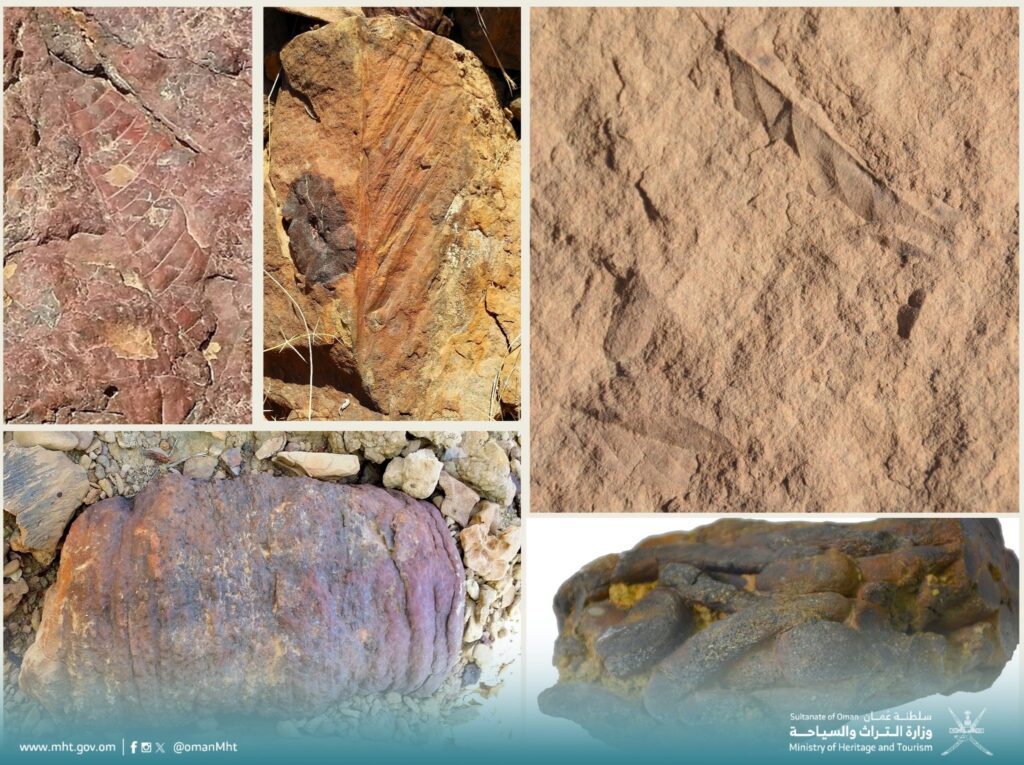
The diverse fossils found across Oman reflect the rich variety of life that existed in the region, shaped by the changing climates and environments throughout history. Notably, the oldest fossil housed in the Natural History Museum is a stromatolite, a primitive single-celled algae fossil dating back 570 million years, discovered in the Sidr area near Duqm.
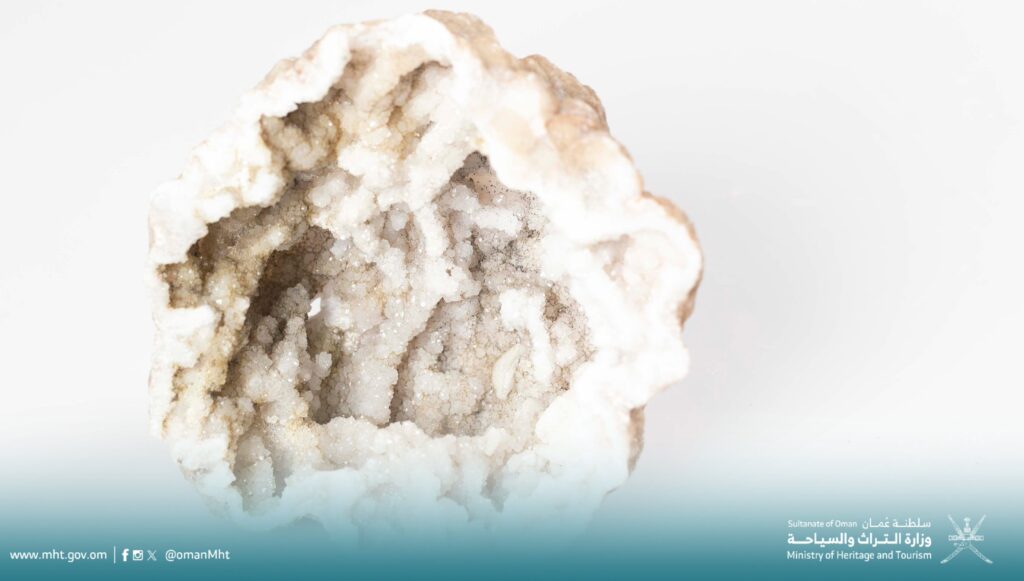
The National Fossil Collection at the museum contains over 1,400 specimens, showcasing a wide array of fossilized trees, bones of extinct animals—including dinosaurs, elephants, and monkeys—as well as fossils of reptiles and amphibians, such as crocodiles and turtles. Additionally, the collection features marine organisms like molluscs, arthropods, and primitive fish, along with non-fossil formations, including geodes, desert roses, flint stones, and various minerals and rocks found throughout Oman.

For all the latest news from Oman and GCC, follow us on Twitter, Instagram and LinkedIn, like us on Facebook and subscribe to our YouTube page, which is updated daily.
Read More
- Muttrah Cable Car opens on November 8: Ticket prices and timings announced
- Indian MP John Brittas attends Sree Narayana Guru commemoration in Muscat
- HH Sayyid Theyazin to patronise Sultan Qaboos University’s 40th anniversary ceremony
- Nama Water Services reports 100% Omanisation, outlines 1,188 jobs at contractors
- Oman probes nine competition complaints, reviews six economic concentration requests





