
MUSCAT : The Ministry of Economy explained that the decline in the general import price index shows that global inflation rates are declining from the record levels that were recorded in the period after the outbreak of the Corona pandemic and reached their peak in 2021.
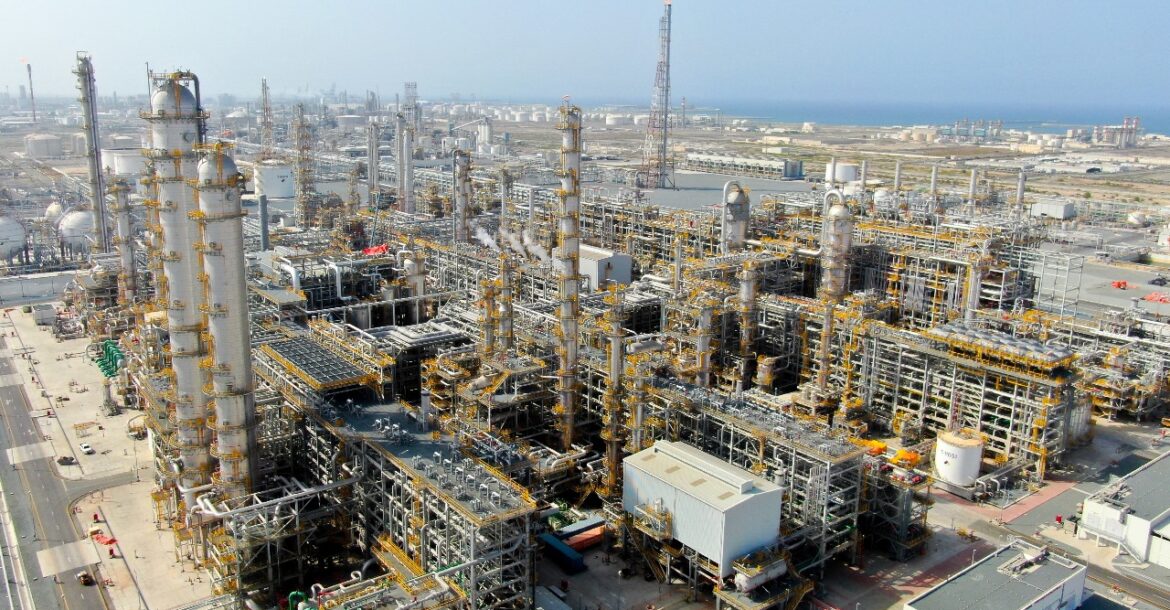
The decline in the index is primarily attributed to the fall in the prices of industrial goods and raw materials, with the exception of chemicals, as the prices of the group of non-food raw materials, excluding fuel, witnessed a decrease of 19.9 percent by the end of the second quarter of this year compared to the same quarter of last year and by 20.1 percent compared to the first quarter of this year.

The ministry confirmed that the indices for mineral fuels, mineral lubricants and related materials decreased by 17.4 percent by the end of the second quarter of this year compared to the same quarter last year, and by 13 percent compared to the first quarter of this year. The indices for machinery and transportation equipment prices also decreased by 8.1 percent compared to the second quarter of 2023 and by 11.6 percent compared to the first quarter of this year.
The ministry added that the prices of vegetable and animal oils, fats, and waxes decreased by 10.3 percent by the end of the second quarter compared to the first quarter of 2023, while they increased by 3.7 percent during the second quarter of this year compared to the first quarter of this year, reflecting the trends in global prices of oils and fats, which are heading towards an increase during the current year.
It indicated that the standard prices of various products increased by 17.1 percent during the second quarter of this year compared to the same quarter of 2023 and by 4 percent compared to the first quarter of this year, and the standard numbers of chemicals and related materials increased by 16.2 percent by the end of the second quarter compared to the same quarter of 2023 and by 6.4 percent compared to the first quarter of this year.
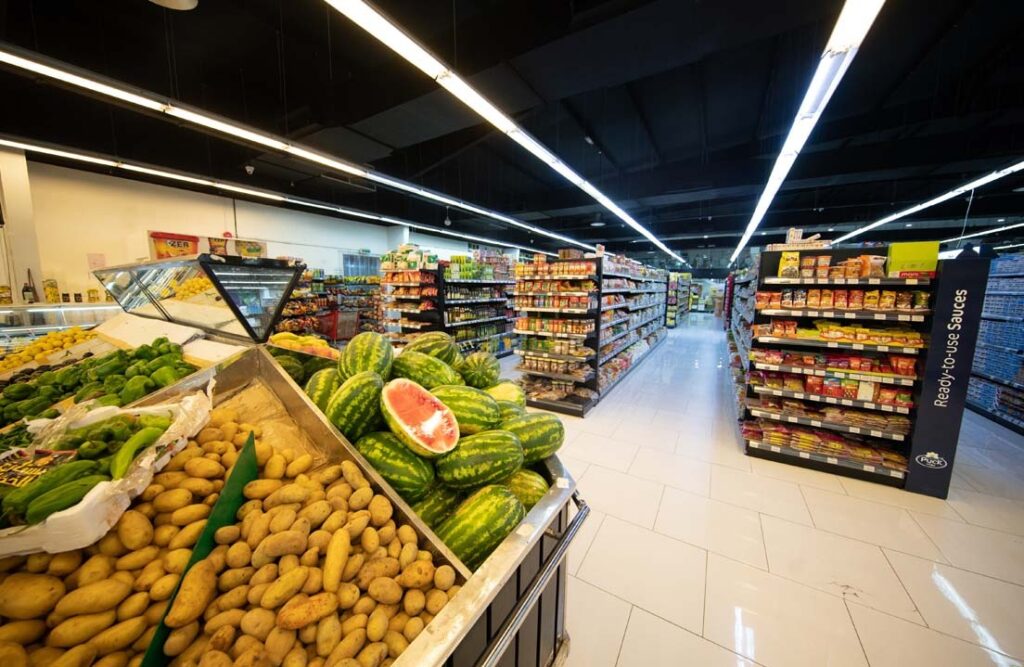
The price index for beverages and tobacco witnessed a significant increase of 33.1 percent by the end of the second quarter of this year compared to the same quarter of 2023 and by 21.9 percent compared to the first quarter of this year, while the prices of food and live animals recorded an increase of 6.3 percent by the end of the second quarter compared to the same quarter of 2023 and by 0.5 percent compared to the first quarter of this year.
Regarding developments in consumer prices in the Sultanate of Oman, the Ministry of Economy indicated that the inflation rate, according to the Consumer Price, Index rose by 1.1 percent during August of this year compared to the same month last year, and at the cumulative level, the rate recorded a slight increase of 0.61 percent by the end of the first eight months of 2024 compared to the same period last year.
This has been attributed to the increase in prices of a number of major groups in the index, including the food and non-alcoholic beverages group by 3 percent, the miscellaneous personal goods and services group by 3.3 percent, and the tobacco group by 1.3 percent, compared to a decrease in the standard prices of the transportation group by 2.7 percent, the education group by 0.41 percent, the communications group by 0.10 percent, and the furniture, equipment and household appliances group by 0.14 percent. The decline in the standard prices of these groups limited the impact of the increase in the standard prices of other groups.
All governorates of the Sultanate of Oman recorded an increase in inflation rates during the period from January to the end of August of this year compared to the same period last year, according to the consumer price index. The increase came at varying rates between the various governorates. North Al Sharqiyah Governorate witnessed the highest rate of inflation increase at 1.51 percent, followed by Al Wusta Governorate at 1.25 percent, Musandam Governorate at 1.21 percent, South Al Sharqiyah at 1.05 percent, and Dhofar Governorate at 1.03 percent.
The rate also increased in North Al Batinah Governorate by 0.99 percent, in Al Buraimi Governorate by 0.85 percent, and in South Al Batinah Governorate by 0.73 percent, while Muscat Governorate recorded the lowest increase in the inflation rate by 0.25 percent, followed by Ad Dakhiliyah Governorate by 0.43 percent, and Al Dhahirah Governorate by 0.67 percent.
The ministry explained that the variation in inflation levels between governorates is due to several factors, including levels of economic activity, population, geographical location of the governorate, and other factors related to transportation costs and production volume of some commodities such as vegetables and fruits.
The ministry stressed that the inflation rate in the governorates falls within the main indicators measured through the governorates competitiveness index, which aims to monitor the progress of governorate development efforts and contribute to directing development allocations according to needs and reducing disparities and development gaps between governorates as targets of the governorates development program.
The ministry stated that according to the annual report issued by the Oman Vision 2040 Implementation Follow-up Unit, economic diversification efforts are positively reflected in enhancing food security and the growth of the agricultural sector, as the cultivated area in the Sultanate of Oman witnessed an increase of more than 276,000 acres and agricultural production increased by more than 10 percent; this growth contributes to raising self-sufficiency rates and avoiding global price fluctuations..
Read More
- IMF sees Oman’s economic growth accelerating to 4.5% in 2026
- HH Sayyid Theyazin presides over Sultan Qaboos University’s 40th anniversary
- Oman elected Vice-Chair of WHO Working Group on Pandemic Agreement
- Oman and Saudi Arabia sign Hajj agreement for 1448 AH season
- Oman, Liberia sign agreement to establish diplomatic relations





