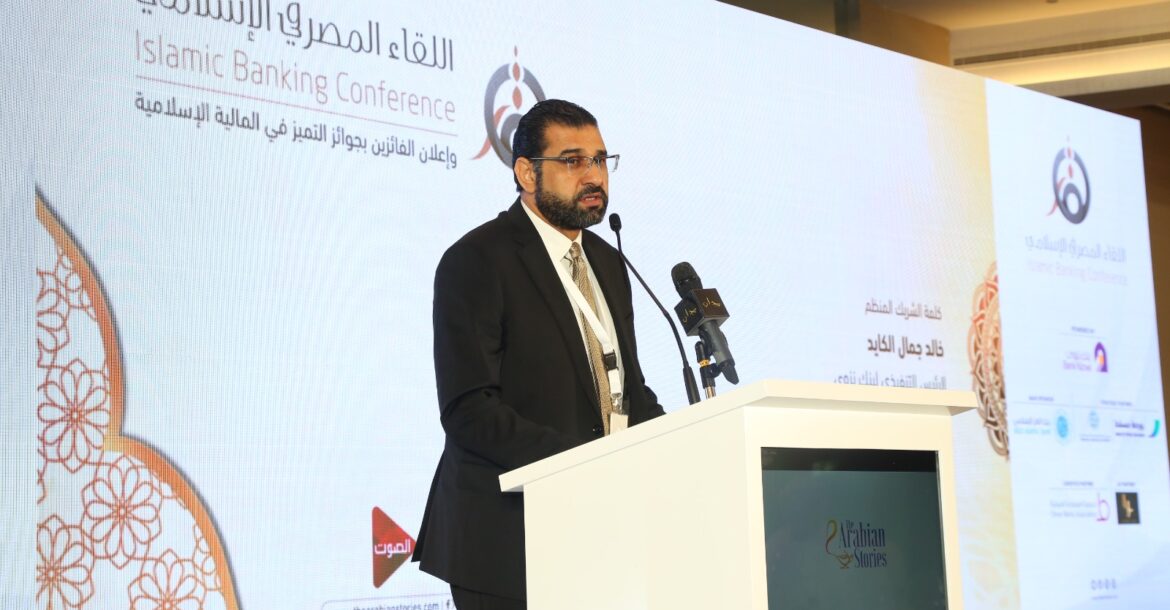

MUSCAT : Delivering an address as the organising partner of Themar Islamic Banking Conference, Al Kayed highlighted the performance of the Islamic banking sector across the Gulf region, specifically within the Sultanate of Oman. He also underscored the recent regulatory and legislative developments in the sector, as well as key performance indicators.
Al Kayed noted that Islamic banks in the GCC countries now hold a 25 percent market share of total banking assets. In Oman, this share has increased by 88 basis points annually, showcasing the effectiveness of Sharia-compliant financial solutions and the vital role of Islamic banks in promoting economic development and long-term financial stability.
He also discussed the positive growth of the banking sector in Oman in 2024, despite some challenges in the pricing environment. He noted that the banking system remains stable, with a manageable level of non-performing loans. The sector’s strong capitalization and the surplus in the financial and current accounts due to high oil prices have enabled banks to continue supporting economic development and diversification efforts.
Al Kayed underscored the importance of a conducive regulatory environment for Islamic banking in Oman, noting that government policies and initiatives have effectively spurred growth in the sector. He elaborated on the crucial role of Islamic finance in sustainability, pointing out its potential to diversify investment portfolios and introduce innovative asset classes.
“Islamic sukuk are particularly effective in attracting funds for working capital and large projects, often outpacing traditional bonds in investor appeal,” he explained. He also stressed the need for transparency and good governance to foster an active secondary market for sukuk in Oman, which is supported by a robust infrastructure for data collection and risk management.
Addressing Oman Vision 2040, Al Kayed reaffirmed Bank Nizwa’s commitment to aligning its operations with global sustainable development goals. He highlighted the bank’s leadership in providing the first sustainable financing compliant with Islamic principles and its proactive role in supporting small and medium enterprises (SMEs) and educational programs.
“Our sustainability strategy is anchored in responsible leadership, banking services, and environmental protection,” he stated, emphasizing the importance of promoting financial inclusion and investing in community development.
Al Kayed also touched on the National Program for Artificial Intelligence and Advanced Technologies, discussing the transformative potential of AI in enhancing the efficiency of the Islamic banking sector. He called for greater collaboration between the public and private sectors to support local talent and ensure the security of banking transactions.
In conclusion, Al Kayed reaffirmed the pivotal role of Islamic banking in advancing endowment activities, aligned with Oman Vision 2040 objectives. He emphasized that sustainability is a cornerstone of the future for the Islamic banking sector and reiterated Bank Nizwa’s commitment to leading sustainability efforts through innovative financing and positive social impact.
For all the latest news from Oman and GCC, follow us on Twitter, Instagram and LinkedIn, like us on Facebook and subscribe to our YouTube page, which is updated daily.
Read More
- IMF sees Oman’s economic growth accelerating to 4.5% in 2026
- HH Sayyid Theyazin presides over Sultan Qaboos University’s 40th anniversary
- Oman elected Vice-Chair of WHO Working Group on Pandemic Agreement
- Oman and Saudi Arabia sign Hajj agreement for 1448 AH season
- Oman, Liberia sign agreement to establish diplomatic relations





