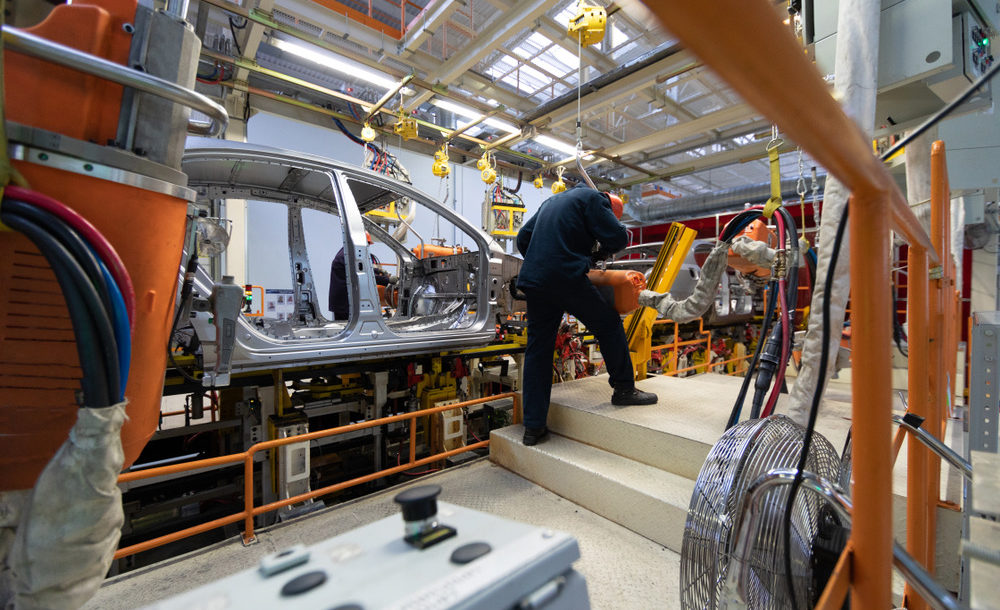

MUSCAT: Oman’s automobile sector is closely monitoring the impact of COVID-19 (coronavirus disease 2019) outbreak on the industry.
Executives in the automotive industry in Oman are concerned how the outbreak will affect the sector in the country as global supply-chain of key automobile parts and related equipment remain disrupted. This worldwide concern emerges from the fact that China is the world’s major supplier for the automotive industry, making key parts and components, and this could have a ripple effect in Oman as well.
Media reports have confirmed that factories in China, building both finished vehicles and supplying car parts, have been on an extended temporary shutdown following the country’s Lunar New Year holiday, as part of a larger effort by the country’s government to suspend business and travel as it tries to contain the spread of the virus. Incidentally adding to the situation is the fact that Hubei, where the COVID-19 outbreak first started, is a major car manufacturing hub.
Read More
- Linglong Tire partners with World Auto Business to bring global tyre solutions to Oman
- FUSO Oman launches Back-to-School service campaign for ROSA buses
- All-new Toyota Land Cruiser FJ makes Oman debut
- MHD Automobiles introduces the all- new JETOUR G700 TopFire in Oman
- Mitsubishi Motors Oman introduces exciting offers with exceptional value benefits
An executive from the auto sector in Oman said, “It is true that global car brands are facing disruptions since most of China’s manufacturing sector remains locked down due to the deadly virus. We are watching the situation closely. Many of the factories in China are expected to open soon. We will get a clearer picture after that.”
Concurring with him another auto industry expert in Oman adds, “Many Chinese auto-parts suppliers have not been able to build and export parts, creating a knock-on effect for the global car companies that depend on them for essential parts. China is one of Oman’s largest suppliers of automotive components and a slowdown will lead to shortages here too. This will adversely affect warranty approvals, decision on technical resolution and number of days taken to service. Extending alternate mobility or courtesy cars to our customers will be extremely challenging owing to crunched resource.”
An executive from the automobile service domain in Oman opined, “Aftersales support for Warranty and Technical matters are likely to get affected and it may take some more time to become normal. This could cause delay in attending customer vehicle. Consumables sourced for vehicle maintenance will also have an effect because currently our dominant source of supply is China.”
This is particularly worrisome since according to UN data, China is a major supplier of parts to auto plants around the world – shipping nearly $35 billion of parts in 2018. Media reports quoting top executives from leading global automobile companies have verified that many of the world’s biggest car makers are dealing with dwindling supplies as factories across China remain closed. Some of them even temporarily shut down factories in their respective nations due to shortage of Chinese spare parts.
A CNN report quoting S&P Global Ratings researchers said the Chinese government could extend factory shutdowns in order to limit contagion risk, affecting as much as half of China’s car and auto parts production.
The same report said that the extended factory closures are expected to make it much more difficult for the industry to emerge from its recession. According to S&P Global Ratings, the outbreak might force carmakers in China to slash production by about 15% in the first quarter.
A Bangkok Post report said, “The expected disruptions threaten the ability of auto makers to get key parts and maintain production levels well into 2020.”
“Even if factories quickly return to full production, countries like Oman might face delays in receiving spare parts and brand supplies and there lies the challenge,” the executive from Oman added.





