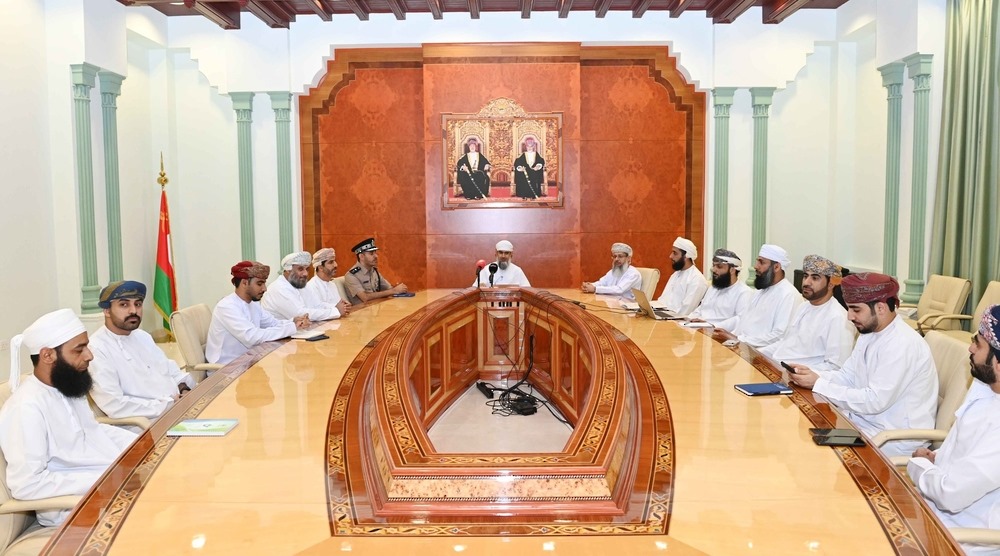

MUSCAT : This represents a 99.8 percent completion rate, with only 28 pilgrims requiring additional procedures to finalize their Hajj rituals.
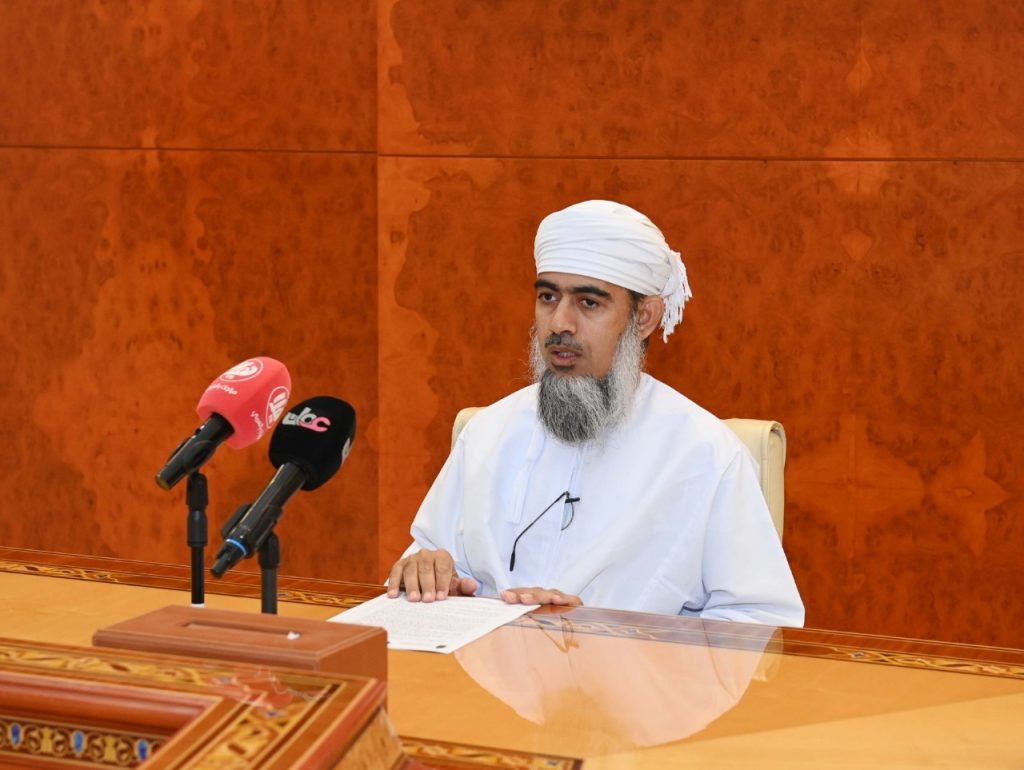
Sultan bin Saeed Al Hinai, head of the mission, stated that the Sultanate of Oman’s Hajj quota for this year was 14,000 pilgrims. This included 13,500 Omanis, 250 Arab residents, and 250 non-Arab residents.
The distribution of pilgrims among the governorates was based on the population aged 18 and above. Muscat Governorate received the largest share with 20.77 percent, followed by North Al Batinah with 19.86 percent, and Al Wusta governorate with the lowest share of 9 percent.
Eligibility was determined using equations based on legal and jurisprudential considerations. Factors included age, family entitlement, mahrams, companions, repeat applications, type of Hajj, seniority of the will, oldest person, and on behalf of a deceased person.
The share of women was almost equal to that of men, with 49.9 percent for women and 50.1 percent for men.
The age group most eligible for Hajj was 30-45 years (41.7 percent), followed by 46-60 years (36.7 percent), over 60 years (16.8 percent), and 18-29 years (4.9 percent).
Regarding travel routes chosen by the pilgrims, a total of 8,466 pilgrims, or 60.4 percent will avail air transport, while 5,534 pilgrims, or 39.6 percent, will travel by land.
For all the latest news from Oman and GCC, follow us on Twitter, Instagram and LinkedIn, like us on Facebook and subscribe to our YouTube page, which is updated daily.
Read More
- India condemns Strait of Hormuz tanker attack, says one Indian missing
- Uzbek president concludes Oman state visit after signing strategic partnership pact
- Muscat Municipality announces National Day events at Al Khuwair Square
- Oman, Uzbekistan pursue preferential trade deal as they target $500 million in bilateral trade
- His Majesty Sultan Haitham, Uzbek president discuss closer ties in Muscat





