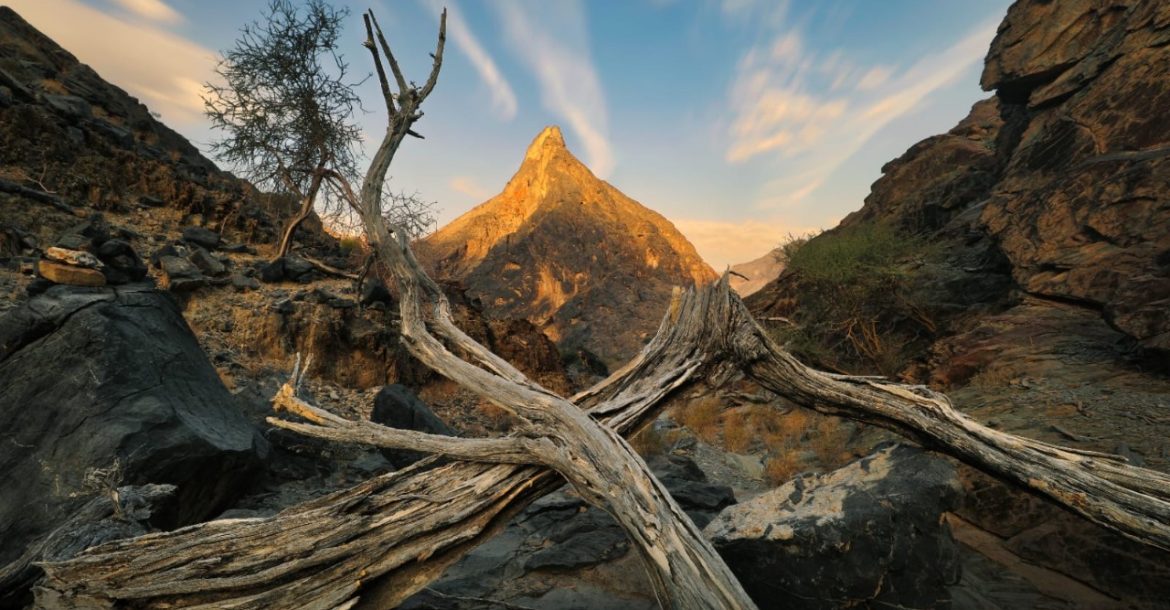

Muscat – Stretching from Wadi Bani Kharous in the east to Wadi Al Sahtan in the north, and encompassing the tributaries of Wadi Bani Awf, the reserve, covering an area of 254 square kilometers, boasts a captivating landscape of majestic mountains, deep valleys, pristine water bodies, and dense forests carpeting the valley banks. This picturesque tapestry has positioned the reserve as a prominent player in Oman’s eco-tourism scene.
The Environment Authority in South Al Batinah Governorate monitors the reserve, with the focus on minimizing violations that threaten the wildlife and its habitat, while ensuring the preservation of the reserve’s natural treasures.
Ibrahim bin Abdullah Al Saadi, an environmental specialist at the Authority, classified Rustaq as a breeding ground for diverse wildlife. The reserve boasts prominent landmarks like Wadi Bani Awf, Wadi Al Sahtan, and Jebel Shams. The mountainous terrain, exceeding 2000 meters in altitude, provides a sanctuary for various species.
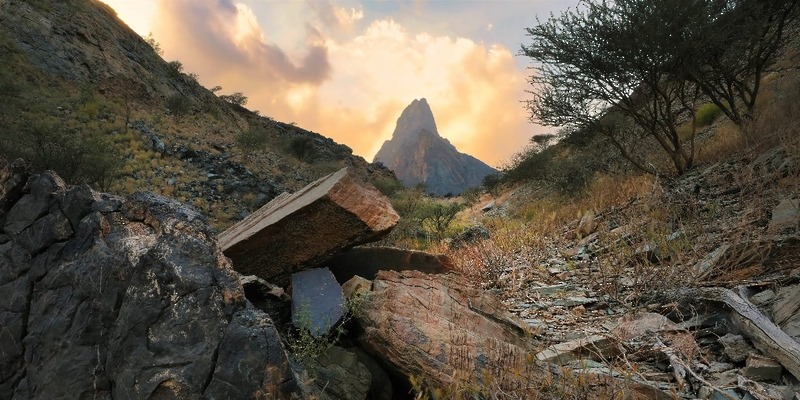
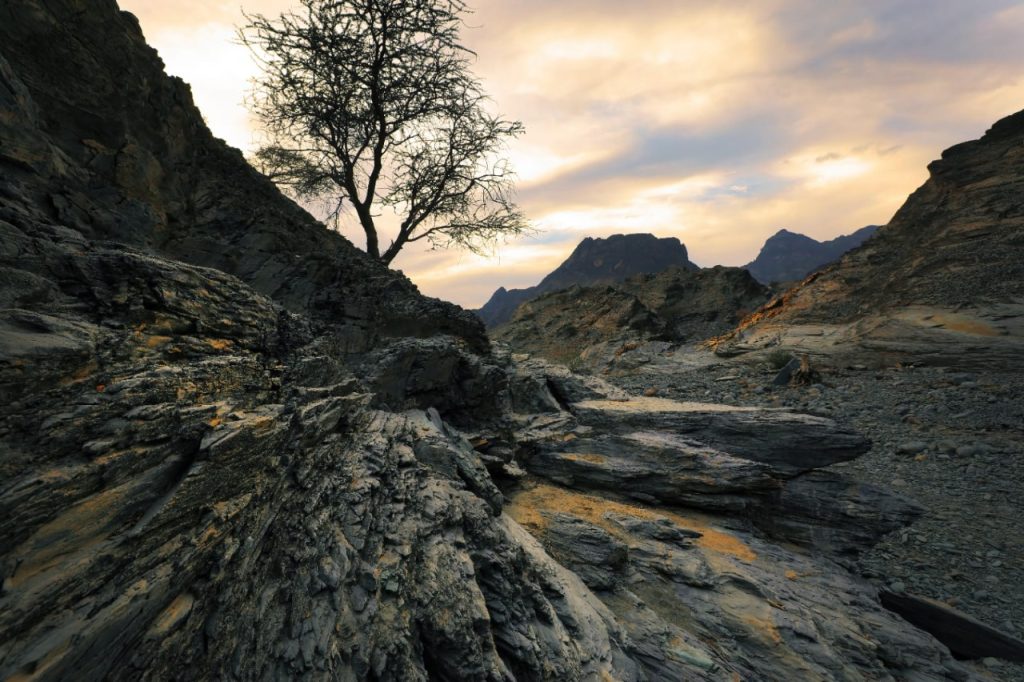
Al Saadi emphasizes the reserve’s popularity among adventure tourists, both domestic and international. Visitors flock to experience the thrill of trekking and mountain climbing amidst the reserve’s breathtaking landscapes. Wadi Bani Awf and the picturesque villages overlooking Jebel Shams serve as a scenic tourist corridor connecting the South Al Batinah Governorate to Al Dakhiliyah Governorate.
Read More
- India condemns Strait of Hormuz tanker attack, says one Indian missing
- Uzbek president concludes Oman state visit after signing strategic partnership pact
- Muscat Municipality announces National Day events at Al Khuwair Square
- Oman, Uzbekistan pursue preferential trade deal as they target $500 million in bilateral trade
- His Majesty Sultan Haitham, Uzbek president discuss closer ties in Muscat
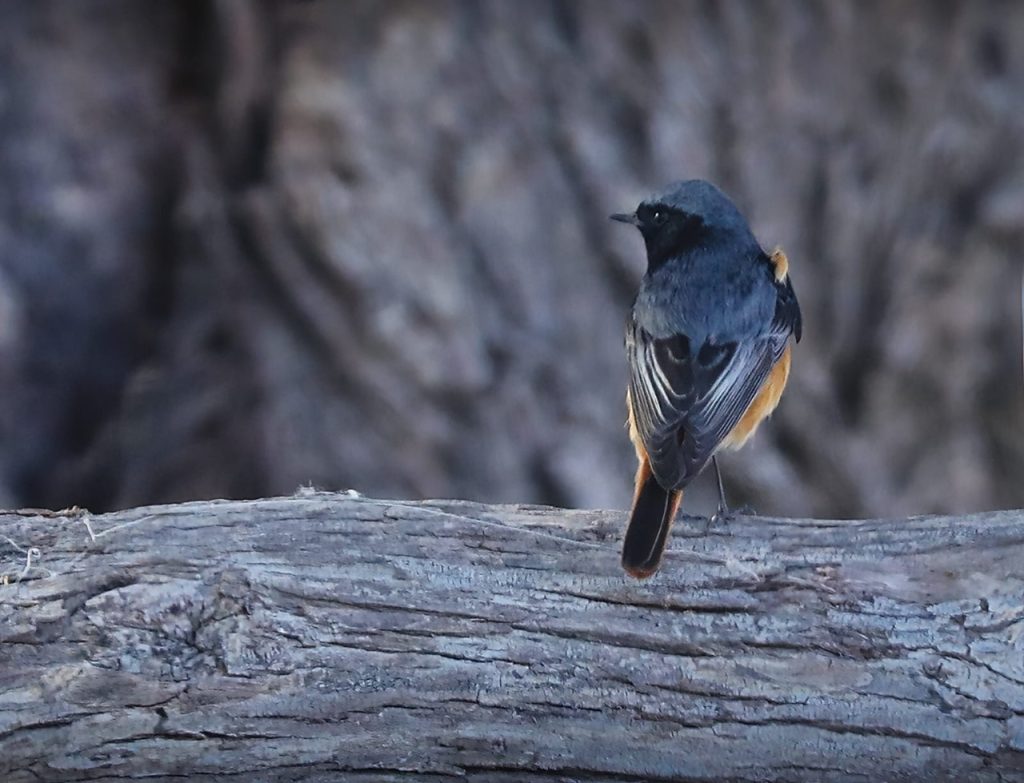
The reserve provides refuge for six wild mammal species, including the endangered Arabian Ibex, mountain foxes, lynxes, white-tailed mongooses, and hedgehogs. Additionally, 15 bird species, such as eagles and ospreys, soar through the mountain heights.
The reserve boasts diverse vegetation, fostering a unique habitat for various plant lives. Notably, over 110 plant and tree species have been documented, including some that feature in the International Union for Conservation of Nature’s Red List.





