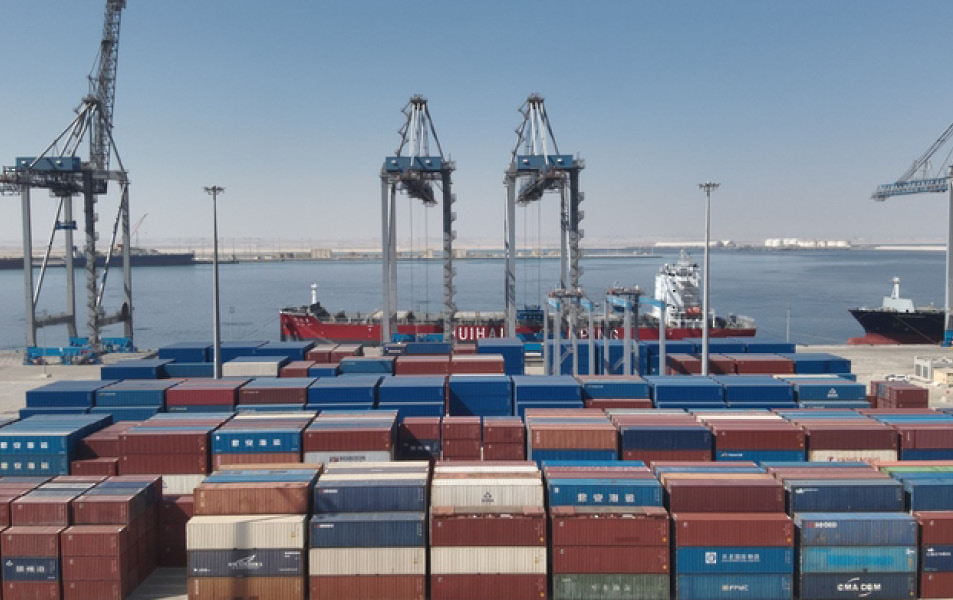

Muscat: Captain Majid bin Saif Al Barhi, Director General of Maritime Affairs at the Ministry of Transport, Communications, and Information Technology, unveiled a series of initiatives and projects designed to propel Oman’s maritime sector to new heights. The focal point of these efforts is introducing a new maritime law, meticulously crafted to align with global standards while addressing key areas such as safety, environmental conservation, training, security, shipbuilding, and maritime tourism.
Captain Al Barhi emphasized the law’s significance in harmonizing Oman’s maritime regulations with international conventions, ensuring compliance with the International Maritime Organization’s standards. The law also introduces provisions governing ship construction, maritime agencies, navigation services, and maritime accident investigations, alongside revised penalties for infractions, tailored to match the severity of violations.
Furthermore, the Directorate’s commitment extends to enhancing maritime services, including navigational aids, anchored ship support, and refuelling operations in Omani ports. Notably, a partnership with the Arab Company for Marine Services and Navigational Aids “Amnas” has been pivotal in optimizing navigational aid services and generating substantial revenues for the sector, amounting to RO 1 million and 122 thousand in 2023.
Read More
- Oman evacuates 24 from burning tanker in Musandam, one crew member missing
- Oman suspends camping and overnight stay permits at Al Dimaniyat Islands Nature Reserve
- Oman Customs raids expat house in North Al Batinah, seizes smuggled cigarettes, tobacco and liquor
- His Majesty Sultan Haitham, Kuwait Emir discuss strengthening ties
- His Majesty Sultan Haitham to preside over Oman’s National Day military parade on November 20
The Ministry’s proactive stance towards job creation and skill development is exemplified by its collaboration with the Ministry of Labor and the Asyad Group, resulting in training and employment opportunities for 230 Omani graduates in 2023.
Plans are underway to activate the registration of ships under the Omani flag, establish industrial zones for ship manufacturing and maintenance, and launch innovative projects like the “water taxi” service to enhance coastal connectivity and tourism prospects.





