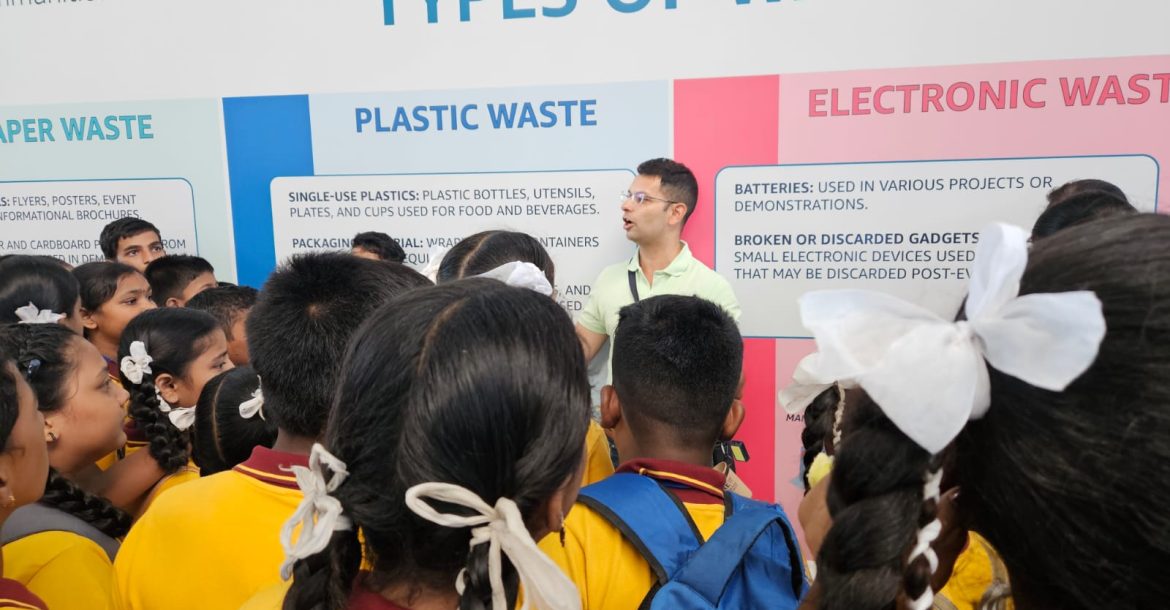

Charitability lies in the fine balance of abundance and social responsibility. Some claim that they don’t have a lot to give, so it’s justified to be exempt from it, while others with a lot to give are often very picky with charity.
In the pursuit of being prudent with charity, many people in genuine need go unnoticed. India alone produces 62 million tonnes of waste annually, with 70% collected and only 12 million tonnes treated, while 31 million tonnes end up in landfills. Due to changing consumption patterns and rapid economic growth, the generation of municipal solid waste is expected to rise to 165 million tonnes by 2030.
So, where do we draw the line? How can we raise awareness of this fine balance of abundance and social responsibility?
Read More
- Three expats arrested in Muscat’s Seeb with over 166,000 psychotropic tablets
- Viksit Bharat 2047: India’s roadmap to becoming a developed nation
- India’s space sector emerges as a new engine for global partnerships
- India strengthens its role as a trusted global first responder
- India’s citizen-centric diplomacy revolutionises welfare and support for overseas diaspora
“Greenmyna started by providing consultation for weddings and eventually, we started doing birthday parties, sporting events, corporate events, and even helping businesses go sustainable.” says Nupur Agarwal, founder of Greenmyna.
Nupur Agarwal and her husband Ashwin Malwade, a young couple with a vision to change the sustainability landscape, started Greenmyna in 2020.
“Our low-waste wedding got a lot of media attention, plus friends and family reached out seeking advice to make their events sustainable.”
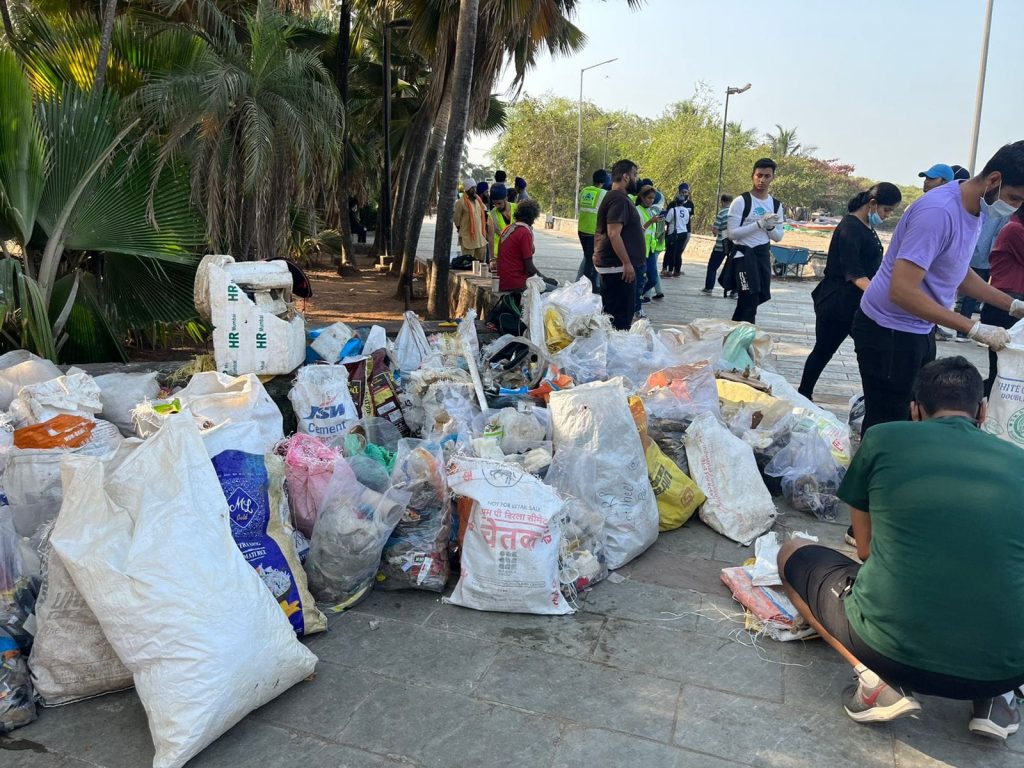
What started as a beach clean-up initiative and offering consultancy to drive the eco initiatives now caters to sustainability in major events across India.
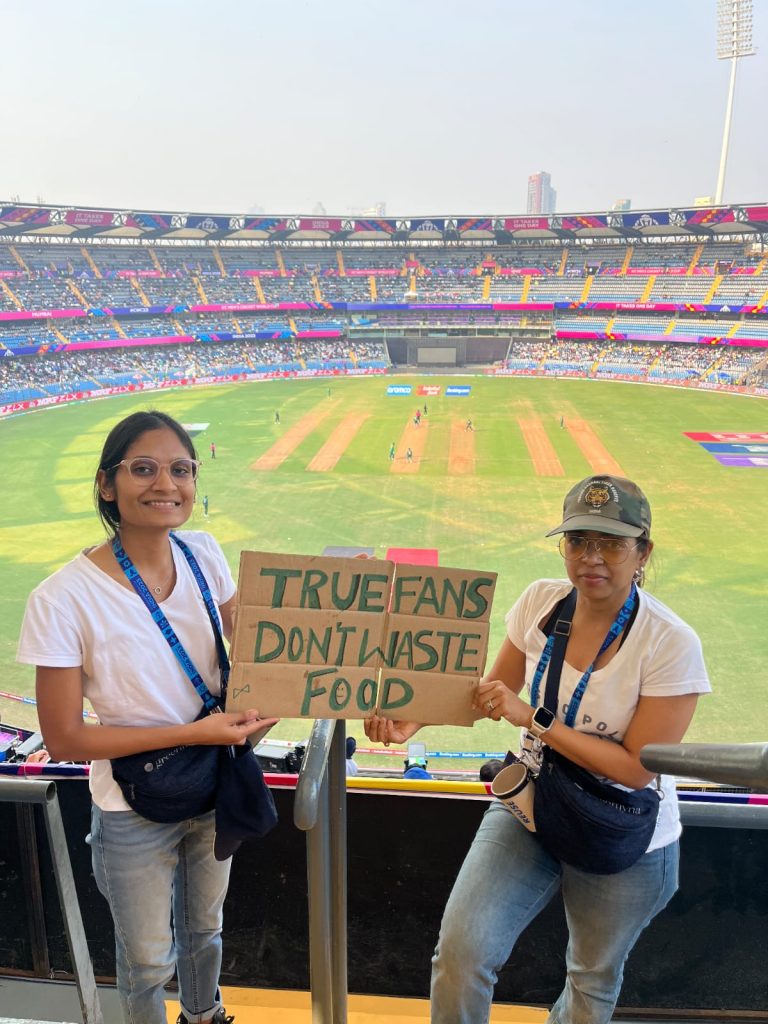
“Last year was very impactful as Greenmyna was a sustainability consultant for the ICC Men’s World Cup matches held in Mumbai and Pune. The impact we have created so far is more than 35 consultations pan-India, with 12000+ meals distributed and more than 80,000 kgs of waste diverted from landfills,” says Nupur.
The Gen Z population is looked down upon in many aspects for their spontaneous outlook and vibrant ideas, but one aspect they have been keen on since the beginning is sustainability. Having grown up in the technological era, their ideologies spread like wildfire in a matter of minutes, helping generate the urgency of sustainability.
Here are a few stats to put things into perspective.
- Almost 70% of Gen Z members say they felt anxious about the future after seeing content regarding climate change.
- 82% of Gen Z are concerned about the climate, and 72% say they have already changed their habits to minimize their carbon footprint.
- Nearly half of Gen Z is buying secondhand clothing now, up from just 25% in 2016.
“Gen Z is more oriented towards environmental goals and a mindful generation. If we do a comparison of the buying behavior, Gen Z considers if a product/service ticks off certain sustainable norms. The term sustainable has been quite frequently used to attract Gen Z. Our audience on Instagram consists of a majority of Gen Z and has been quite supportive as a community.”
With a positive outlook rising on the horizon, it is all down to the finer details, which can pose a problem, especially regarding regulations; here’s how an organization like Greenmyna is tackling it.
“If waste management becomes a mandate at events and daily routines with the help of various stakeholders, it is going to help. Right now, the regulations around waste management have loads of loopholes and not-so-strict execution; thus, a stronger execution of frameworks at the macro level is required.”
Oman, too, has been making significant strides in terms of sustainability, and when asked about possible collaborations, especially with Oman’s 2040 Vision, it was all about standing up for the greater good when it came to Greenmyna.
“We look forward to more impactful and long-term collaborations that empower people in sustainability. With a vision to make Greenmyna synonymous with sustainable living and events, we would like to take this concept overseas as we believe that our planet is one home and part of this ecosystem. All our actions impact all of the beings on the planet. Like the great Sir David Attenborough once said, “Unless we all agree and come together to save our planet, we’ll be lost forever. “”





