
MUSCAT : Malaria, a potentially life-threatening disease transmitted through the bites of female Anopheles mosquitoes, remains a significant public health concern worldwide. Despite not being contagious from person to person, malaria poses a serious threat to vulnerable groups, including children less than 5 years of age, pregnant women, individuals with HIV/AIDS, and those residing in high-transmission areas.
In a series of online posts, the DG of Royal Hospital stressed the importance of prompt diagnosis for anyone suspected of having malaria, as early detection can significantly improve treatment outcomes. Typical symptoms, such as fever, headache, and chills, typically manifest within 10-15 days after being bitten by an infected mosquito.
Preventive measures play a crucial role in combating malaria transmission. Vector control methods, including the use of insecticide-treated mosquito nets and indoor insecticide spraying, are effective strategies to prevent mosquito bites and reduce malaria transmission rates.
Additionally, chemoprevention measures, such as intermittent preventive treatment for pregnant women and preventive chemotherapy for travelers to malaria-endemic areas, are recommended to mitigate the risk of infection.
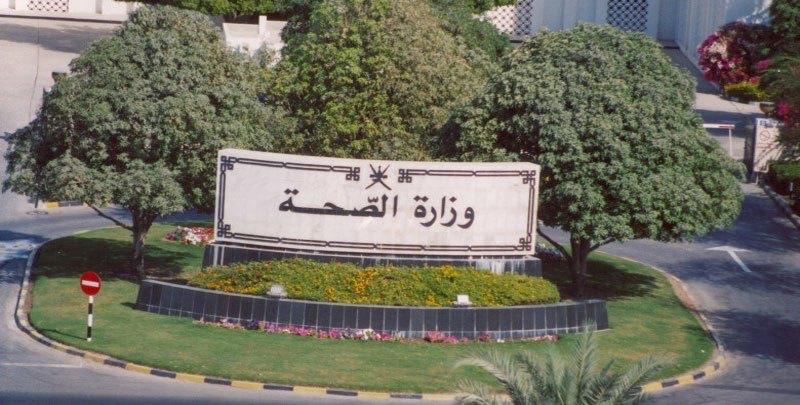
The Ministry of Health emphasizes the importance of raising awareness about malaria prevention and treatment, especially among individuals planning to travel to regions where the disease is prevalent.
For all the latest news from Oman and GCC, follow us on Twitter, Instagram and LinkedIn, like us on Facebook and subscribe to our YouTube page, which is updated daily.
Read More
- Oman Royal Office Minister meets India’s Deputy National Security Adviser
- Oman evacuates 24 from burning tanker in Musandam, one crew member missing
- Oman suspends camping and overnight stay permits at Al Dimaniyat Islands Nature Reserve
- Oman Customs raids expat house in North Al Batinah, seizes smuggled cigarettes, tobacco and liquor
- His Majesty Sultan Haitham, Kuwait Emir discuss strengthening ties





