
Muscat – The inaugural Musandam Emergency Medicine Conference, organized by the General Directorate of Health Services in Musandam Governorate in collaboration with the Omani Association for Emergency Medicine, brought together a consortium of leading specialists in the field. This dynamic gathering delved deep into the challenges and triumphs of emergency medicine, shedding light on crucial aspects of rapid intervention and critical care.
The conference commenced with a poignant reflection on the landscape of emergency medicine in the Sultanate of Oman. Attendees engaged in an insightful dialogue, addressing the multifaceted challenges and notable achievements in delivering urgent care across various medical scenarios.
Of particular significance were the discussions surrounding pediatric emergencies, where specialists dissected complex cases ranging from critical asthma episodes to emergency cardiac events in children. The forum also delved into pressing issues such as ketoacidosis, acute infections in newborns, and the swift management of emergent heart conditions in pediatric patients.
Read More
- U.S. values partnership with Oman, Rubio says in National Day message
- Oman National Day: Beyond Khareef, Dhofar looks to ports and wind power for growth
- His Majesty Sultan Haitham presides over Oman National Day military parade in Izki
- GCC landmarks light up for Oman’s National Day
- Dawoodi Bohra community marks Oman National Day in Muscat
Simultaneously, attention turned towards adult emergency medicine, with a focus on the rapid response required for accident injuries, strokes, heart attacks, and fluctuations in blood pressure.
Moreover, the conference provided a platform for specialists in clinical toxicology to share invaluable insights. From strategies for managing poisoning cases stemming from medical drugs to pesticide exposure and marine organism-related incidents, experts navigated through diverse scenarios with precision and expertise.
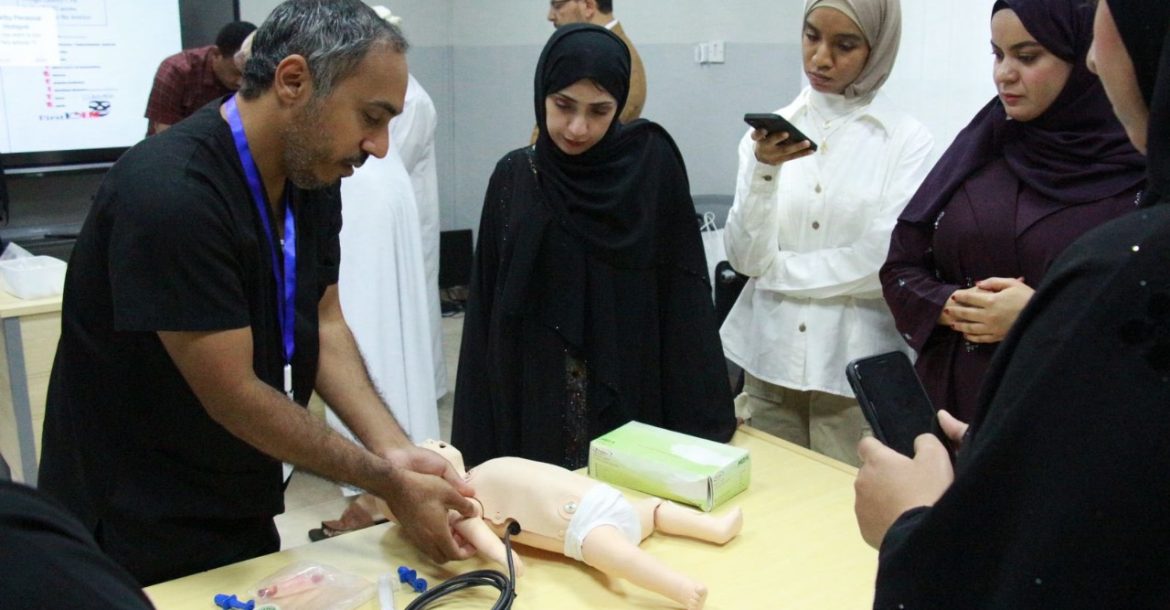
Interactive training seminars were integral to the conference, offering attendees hands-on experience in critical care scenarios. From mastering cardiac arrest protocols to honing skills in ECG analysis, participants were equipped with practical tools to navigate high-stakes situations effectively.





