
MUSCAT : Teaming up with Vale International and Anemoi Marine Technologies, Asyad is set to integrate wind-assisted propulsion technology, redefining the sector’s efficiency and marking a crucial step towards carbon-neutral shipping.
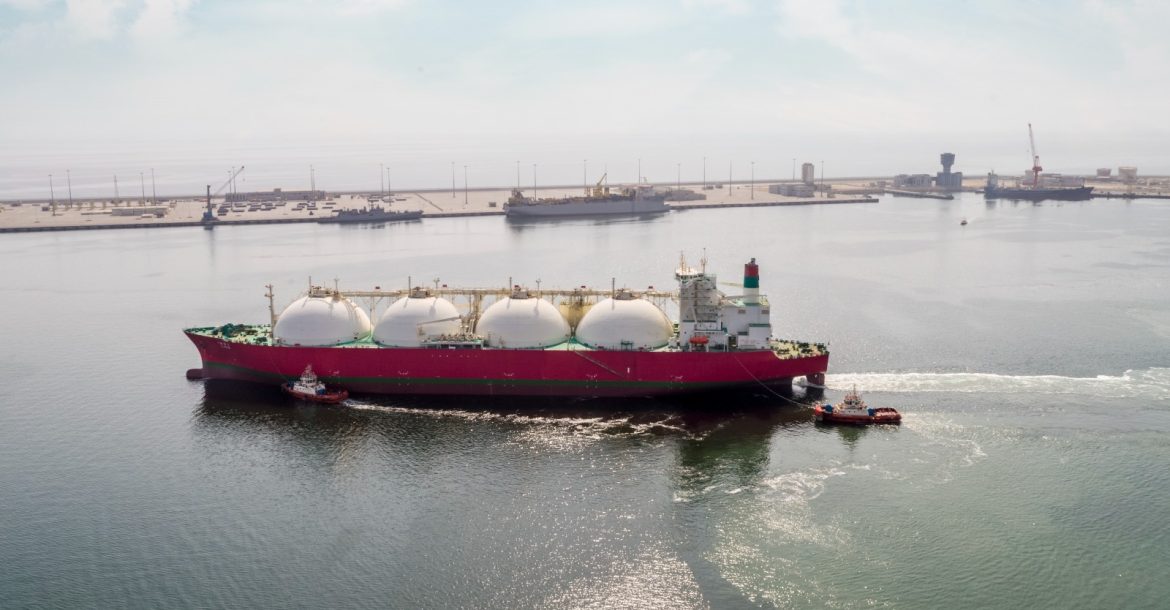
The Asyad Group’s commitment to zero carbon emissions was emphasized on the LinkedIn platform, where they declared this collaboration a pivotal stride in their sustainability journey. The partnership seeks to leverage wind propulsion technology, specifically adopting five innovative “Flettner rotors” on the colossal iron ore tanker, “Sohar Max,” a ‘Vale Max’ model leased to Vale Company in Oman.
These cylindrical sails, standing 35 meters high and 5 meters in diameter, introduce a unique folding system by Anemoi. This feature allows the sails to seamlessly transition from a vertical to a horizontal position, mitigating challenges posed by air currents and enhancing navigational operations.
Read More
- New flynas service eases travel from Oman to Makkah and Madinah
- What changed in the rules governing Oman’s Medical City for Military and Security Agencies?
- Oman officially opens Muttrah cable car linking port to mountain summit
- Sohar forum looks at how to put Oman’s climate plans into practice
- Oman allows hotels to keep expat receptionists on night shifts until June 2027
The revolutionary technology of rotating sails harnesses wind energy, promising increased propulsion and a remarkable boost in energy efficiency, leading to a substantial cut in carbon emissions. Asyad envisions a reduction in fuel consumption by 6%, potentially lowering carbon emissions by a staggering 3,000 tons per ship annually on voyages between Brazil, China, and the Middle East.
This proactive move aligns with international standards such as the Design Energy Efficiency Index for Ships, the Energy Efficiency Index for Existing Ships, and the Carbon Intensity Index, reinforcing the industry’s commitment to global emission reduction goals. The adoption of wind propulsion technology represents a qualitative shift, offering shipping companies an ideal choice to control emissions and contribute to a more sustainable future.
As the maritime sector contributes approximately 3% of global greenhouse gas emissions, integrating wind energy emerges as a pivotal tool in reducing carbon footprints.
For all the latest news from Oman and GCC, follow us on Twitter, Instagram and LinkedIn, like us on Facebook and subscribe to our YouTube page, which is updated daily.