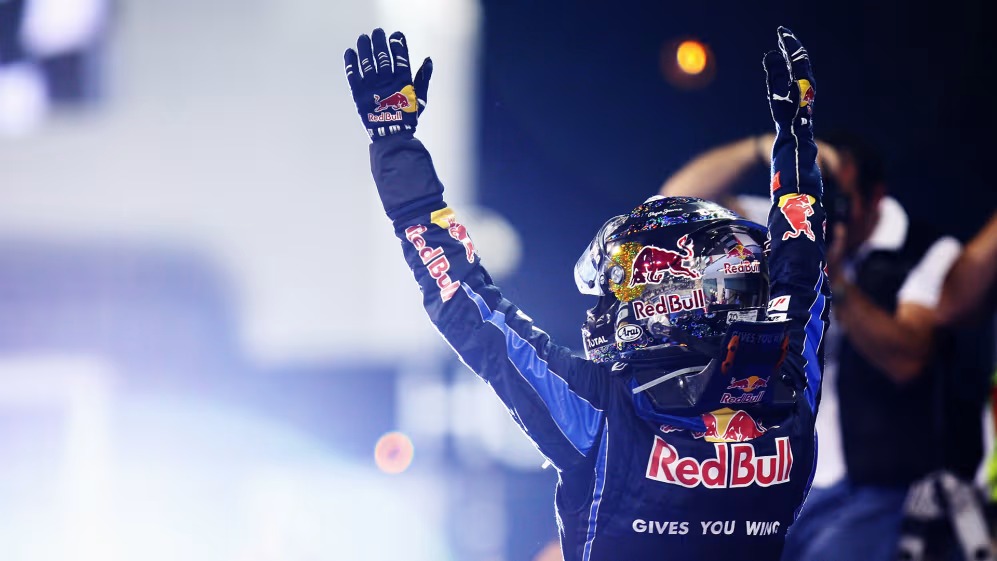
Michael Schumacher
Statistics following 185 race weekends
54 pole positions (29.1%), 118 podiums (63.7%), 5 world titles, and 67 wins (36.2%)
When Michael Schumacher made his Jordanian Grand Prix debut in 1991, he grabbed attention. Benetton quickly acquired him, and he went on to win races, podiums, and world titles there—the latter coming after some contentious moments with Williams rival Damon Hill.
After the drama of his disqualification in 1997 for barging into Jacques Villeneuve’s Williams team and after being beaten twice by Mika Hakkinen of McLaren, Schumacher then moved to Ferrari in an attempt to turn the once-perennial title contenders into a leading force once again. The turn of the century brought the turning point the driver and team had been pushing for.
At the 2003 Monaco Grand Prix, Schumacher had completed five of his seven world titles, with the sixth coming later in the season. He also had more victories, podium finishes, and pole positions than Verstappen when he reached 185 race weekends.
Read More
- Oman national cricket team ready for first-ever Asian Games challenge
- Oman chase history at 27th Gulf Cup
- Chaitanya Khimji’s winning formula: Building teams that keep challenging for Oman cricket honours
- Allan Border, Steve Waugh and other former Australia captains urge Aus Foreign Minister to raise concerns over Imran Khan’s detention
- Babar Azam turns to domestic cricket after 7 years amid prolonged Test form struggles
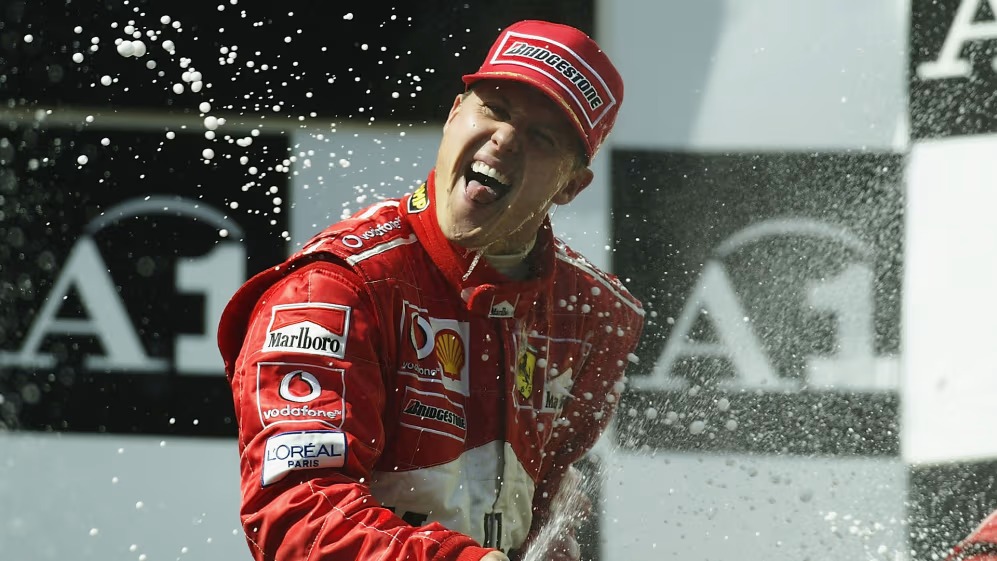
Lewis Hamilton
Statistics following 185 race weekends
58 pole positions (31.3%), 101 podiums (54.5%), 50 wins (27%) and 3 world titles
Another driver to make a splash in Formula One history was Hamilton, who raced alongside two-time defending champion Fernando Alonso in his rookie season at McLaren in 2007. Hamilton finished on the podium, started pole positions, and won races immediately, coming dangerously close to winning the championship.
After recovering from his setback, Hamilton defeated Felipe Massa of Ferrari to win the 2008 championship. However, that would be Hamilton’s only championship with the Woking team, as he accepted Mercedes’ offer when they approached him during McLaren’s unsuccessful attempt to win the tournament.
Despite a few podium finishes and a historic victory in 2013, Hamilton and Mercedes had their sights set firmly on the turbo-hybrid era. The Silver Arrows used it as a brilliant move, and by the time Hamilton competed in his 185th race in Austin, Texas, in 2016, he had already won three times. From 2017 to 2020, there would be four more titles.
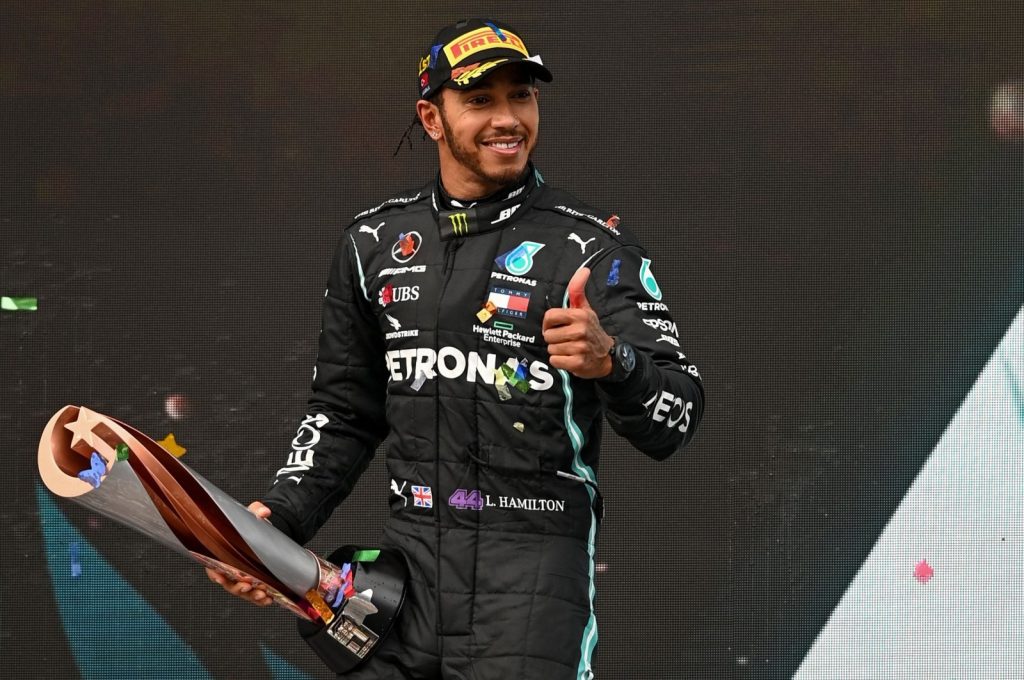
Ayrton Senna
Data following 161 Grands 35 prix
Pole positions (40.3%), 80 podiums (49.6%), 41 wins (25.4%), and three world titles in the Prix
After putting on one of the most unforgettable underdog performances in Formula One history to finish on the podium for the first time as a rookie Toleman in the 1984 Monaco Grand Prix in pouring rain, Lotus signed him for the 1985 season, which resulted in the driver’s first of 41 race victories.
Senna gained notoriety after joining McLaren in 1988, where he won the championship in their first season against teammate Prost before losing in the Suzuka crash the following time. Senna defeated Prost, currently Ferrari’s rival, in another contentious match in 1990. The following year, Senna won a third and final championship.
Senna traded in his McLaren for Williams, and his dreams of winning more championships and races were tragically dashed when he was involved in a crash at the 1994 San Marino Grand Prix that claimed his life. However, his percentages are pretty telling, especially in qualifying, where the Brazilian pole return placed him second only to Fangio among the names above.
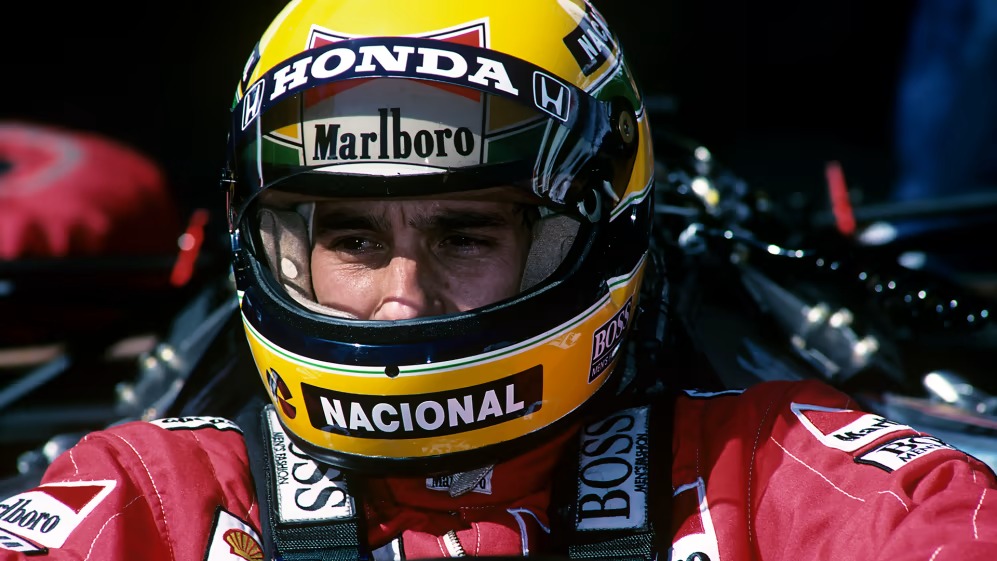
Sebastian Vettel
Numbers following 185 race weekends:*
4 world titles, 45 victories (24.3%), 92 podium finishes (49.7%), 47 pole positions (25.4%)
The following person on the list is Sebastian Vettel, who rose quickly from his teenage debut sensation status with BMW Sauber in 2007 to race winner in the Toro Rosso class in 2008 and front-runner at Red Bull in 2009, paving the way for a fantastic run of four consecutive titles from 2010 to 2013.
Ferrari enticed Vettel away from Milton Keynes after a challenging 2014 season marred by the introduction of F1’s turbo-hybrid regulations. The German racer fought to add more titles in red, but it was not to be. Though more victories, podiums, and poles followed, there were still isolated instances of success.
By the time of Monaco 2017, the first of two consecutive seasons in which he would finish second in the drivers’ standings to Lewis Hamilton of Mercedes, Vettel had secured 45 of his 53 career victories, 92 of his 122 podiums, and 47 of his 57 pole positions.
*Does not include seven pre-debut Formula One races with BMW Sauber.