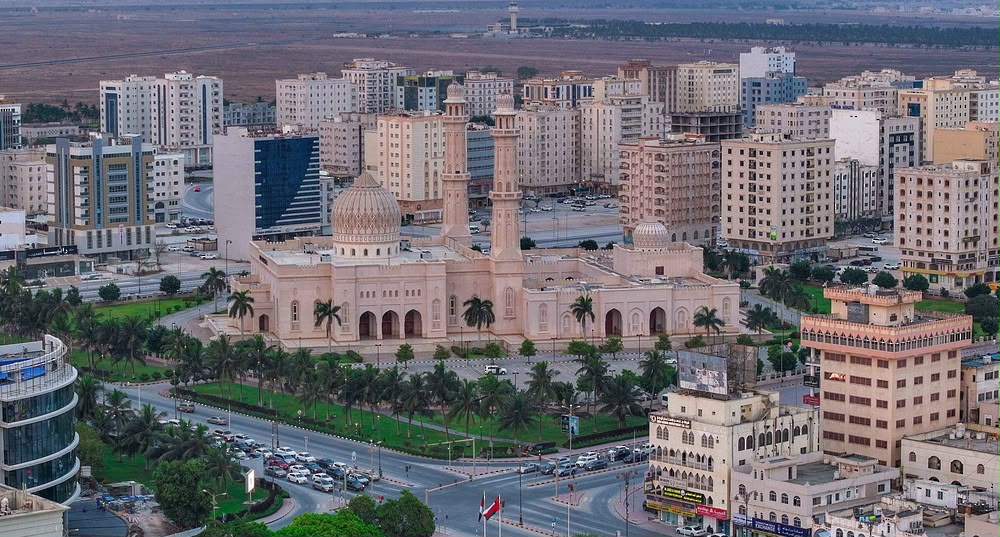

SALALAH — Oman’s southern governorate of Dhofar is expanding its main port, adding hotels and building a second wind farm as the Sultanate seeks to diversify its economy under Oman Vision 2040.
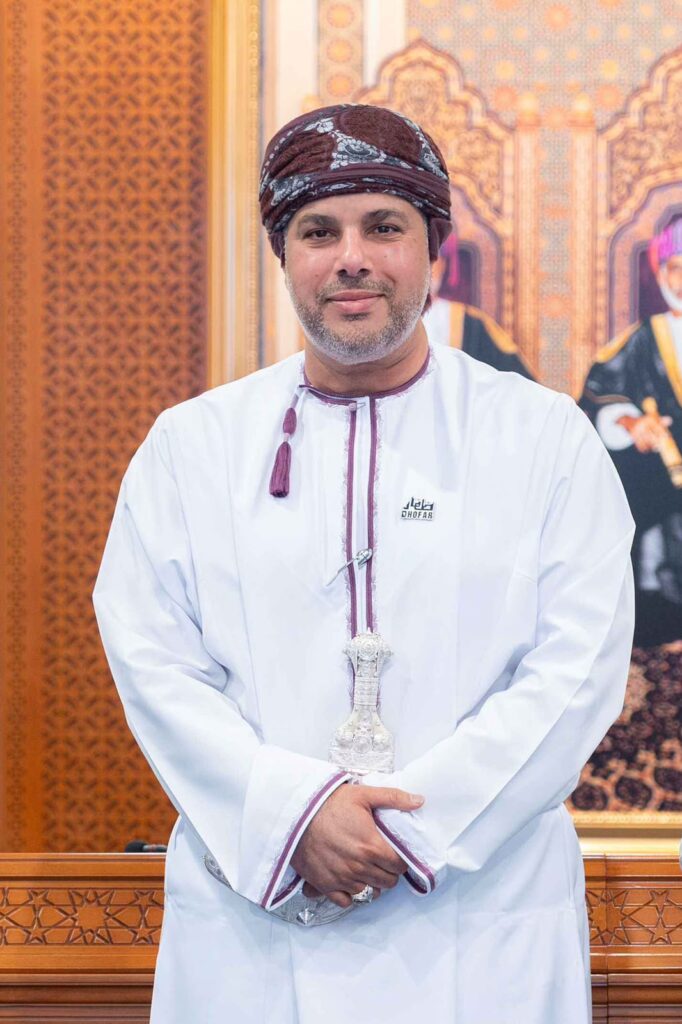
Dhofar’s non-oil industries generated about RO 2.8 billion in value added in 2025, equivalent to 9.6% of Oman’s national non-oil total, Governor His Highness Sayyid Marwan bin Turki Al Said said in a review issued as part of National Day on Nov. 20.
The governor said the projects in Dhofar reflected His Majesty Sultan Haitham bin Tarik’s directive to put governorates at the centre of national development. The investment programme spans roads, housing, healthcare and education as well as industries that draw on Dhofar’s location on the Arabian Sea.
Read More
- His Majesty Sultan Haitham presides over Oman National Day military parade in Izki
- GCC landmarks light up for Oman’s National Day
- Dawoodi Bohra community marks Oman National Day in Muscat
- From ports to finance, Oman looks beyond oil
- Rain falls across parts of Muscat, with showers possible in Hajar and Dhofar
Salalah expands its logistics network
Salalah Free Zone signed 16 investment agreements by the end of August 2026, securing commitments worth more than RO 101 million. It had leased about 453,000 square metres of investment space, while occupancy across its 58,499 square metres of warehouse space reached 82%. Nearby Raysut Industrial City signed new investment agreements worth about RO 18.3 million.
The Port of Salalah recorded its highest operating volumes since opening, handling about 26.4 million tonnes of general cargo and 4.3 million twenty-foot equivalent units, or TEUs, the governor said. He reported annual growth of 31% and said the port ranked among the world’s three best-performing container ports in the World Bank’s Container Port Performance Index.
An expansion brought the container terminal’s annual capacity to 6.5 million TEUs, and a temporary 20,000-square-metre container yard was set up in Salalah Free Zone. Oman also launched a freight corridor between the Port of Salalah and Khazaen Dry Port to ease container movements to other Gulf countries. Other projects aim to link the port directly with Salalah Airport and Al Mazyunah Free Zone.
Salalah Airport handled 748,568 passengers from June 21 to Sept. 21, up 8% from the same period in 2025. Arriving and departing flights rose 14% to 4,782. The airport retained its five-star Skytrax rating for a second consecutive assessment and received five customer experience awards from Airports Council International.
Khareef lifts demand for tourism investment
Dhofar’s Khareef monsoon season drew more than 1.116 million visitors by the end of August, up from 1.027 million in the same period in 2025. It was the third straight year the season passed the one-million mark by the end of August. The governor said the season supported 1,742 small and medium-sized business projects and generated employment and other work opportunities for about 4,215 job seekers.
Dhofar has more than 125 hotel and tourism establishments with over 8,500 rooms. Five new land-use agreements brought the number of hotel projects under way to 38. The first phase of the Salalah Marina tourism development is valued at more than RO 80 million, and development contracts were signed for integrated tourism complexes in Salalah and Mirbat.
Amouage has begun a project in the Wadi Dawkah reserve, part of Oman’s Land of Frankincense. Authorities also signed a contract to develop and operate Sumhuram Archaeological Park. Archaeological surveys and excavations are continuing, including at the Kharfout reserve in Rakhyut, while preparations are under way to restore Mirbat’s old souq and landing area.
Work is progressing on waterfronts in Taqah, Al Shuwaymiyah, Sadah and Awqad. A glass viewing platform has opened at Shaat in Rakhyut, with more viewpoints under development at Iftalqout in Salalah and Deem in Dhalkut.
Roads, housing and public services
Road openings this year included the Harweeb–Al Mazyunah–Maiten route, the paved road network in Muqshin and the first phase of the Al Mughsail road and bridge. The new 13.5-km Arjout–Sarfait mountain road improves access to Dhalkut and the Sarfait crossing with Yemen.
The Ittin tunnel project includes more than 9 km of roads and is intended to ease congestion during Khareef. Work continues on the roughly 400-km project to dual the Sultan Said bin Taimur Road from Haima through Muqshin to Thumrait, as well as on the Raysut–Al Mughsail road. Dhofar Municipality is upgrading local roads and pedestrian crossings, improving flood drainage and developing a six-kilometre cycle route.
Work has begun on projects under the Greater Salalah structural plan, while the Salalah Future City project has reached detailed engineering design. The Al Shorouq housing development is also progressing, and an agreement signed in October covers 21 homes in the Habroot Triangle area of Al Mazyunah.
The new Sultan Qaboos Hospital in Salalah was 99% complete, the governor said. Al Mazyunah Hospital and the Al Hallaniyat Health Centre have opened, adding to a network of 45 government and 181 private health facilities. Dhofar’s schools serve more than 70,000 pupils, and more than 1,100 Omani teachers were appointed this year. The governorate has 84 school infrastructure projects under way, including new buildings, extensions and maintenance.
Dhofar has 16 public and private rehabilitation centres serving 1,054 people with disabilities. Three facilities opened in Shalim and the Hallaniyat Islands, including a rehabilitation centre and an Omani Women’s Association building, at a combined cost of RO 600,000 with support from Petroleum Development Oman.
Wind power, fisheries and new investment
The first Dhofar wind farm, which began operating in 2019, has 13 turbines and a capacity of 50 megawatts. It generates enough electricity for about 16,000 homes and avoids an estimated 110,000 tonnes of carbon emissions a year, the governor said. The second wind farm is expected to enter commercial service in the second quarter of 2027. It is estimated to cost RO 58 million and have a capacity of 114 to 132 megawatts.
An international consortium signed a memorandum of understanding in 2025 to explore producing low-carbon methanol in Dhofar and supplying it to ships. Oman also announced an agreement this year with Britain’s Yamna to establish a large data centre in Salalah for artificial intelligence applications.
Food security projects attracted about RO 20.5 million in investment in the first quarter of 2026 across farming, livestock, aquaculture and food supply chains. Authorities are working to link agricultural production in Al Najd with food processing. In Raysut, a fishing port upgrade costing more than RO 2.9 million has been completed. Other projects include fishing harbours at Hasik and Hadbin and a RO 10 million Omani abalone farm with a planned capacity of up to 600 tonnes a year.
Digital services and community facilities
Salalah launched a digital platform for municipal services, and Dhofar Municipality won recognition for its smart service portals. Public satisfaction with basic services rose to 73% in the first half of 2026 from 71% a year earlier, the governor said. Salalah also received World Health Organization recognition as a Healthy City, while Dhofar won an Arab Towns Organization award for its work to control invasive parthenium plants.
The review reported 178 cultural and arts events reaching nearly 14,700 people. Salalah’s public and children’s libraries recorded about 15,600 visits and hold more than 15,000 books between them. Dhofar also registered 13 youth initiatives in areas including education, technology and the environment, while work continued on sports facilities at Al Saada Stadium, local clubs and centres across the governorate.
The governor said the next phase would extend sports and youth programmes and support entrepreneurship and technical skills, alongside the larger investments in trade, tourism and energy.





