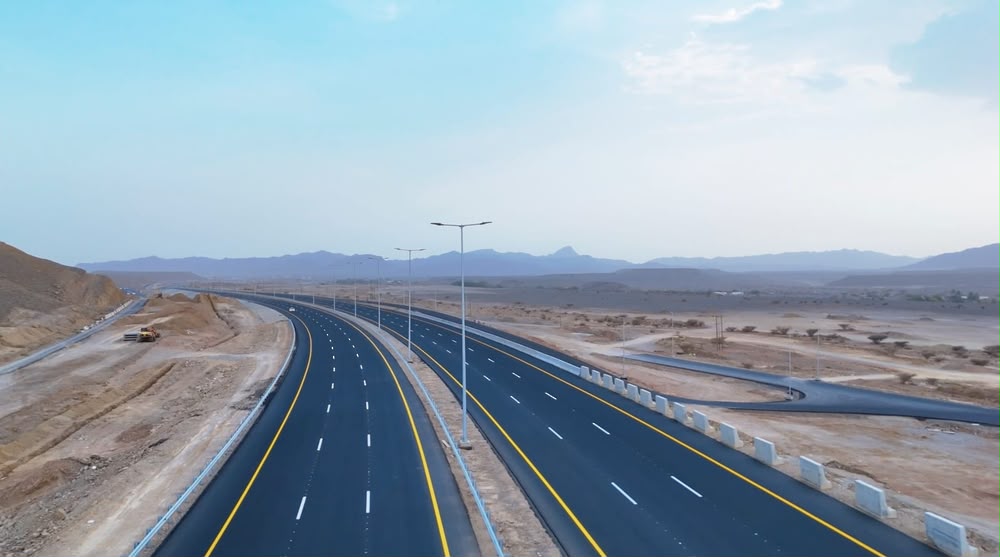

MUSCAT: The value of local content generated by road projects implemented by the Ministry of Transport, Communications and Information Technology exceeded RO 200 million by the end of the first half of 2026, with local content accounting for more than 60 percent of total project spending.
The figures highlight the economic contribution of road investments through the participation of Omani workers and companies, the use of national products and the expansion of subcontracting opportunities for small and medium enterprises (SMEs).
Eng. Mohammed bin Salim bin Ali Al Isai, Local Content Expert at the Ministry of Transport, Communications and Information Technology, said the ministry has prioritised local content across its projects through contractual requirements covering employment, procurement, manufacturing, subcontracting, knowledge transfer and the development of national technical and administrative capabilities.
Read More
- Indian medical representative found dead at residence in Oman
- Students on domestic scholarships in Oman urged to register for monthly allowances
- His Majesty Sultan Haitham condoles President of Indonesia
- Oman’s space sector investment surges 270% to RO 74 million
- Oman Environment Authority records 93 plastic bag ban violations in Q3
He said ongoing road projects across Oman provide significant opportunities to increase local economic value because of their links to construction, manufacturing, services and other supporting industries.
Around 1,500 Omanis are currently employed in direct roles linked to ongoing road projects, Al Al-Isai said.
He noted that the participation of Omani talent extends beyond employment to include skills development and responsibility for supervision, implementation and project management, helping build expertise for more specialised roles in the future.
Approximately 70 percent of materials used in road projects are manufactured in Oman, with a value of around RO 80 million by the end of the first half of 2026.
Al Isai said greater reliance on locally manufactured products, where they meet approved technical specifications and requirements, supports national industries, creates sustained demand for Omani products and strengthens supply chains associated with construction and infrastructure.
More than 95 percent of goods used in road projects are also procured from the local market, either directly or through local suppliers and SMEs, he said.
The value of subcontracted works awarded to Omani SMEs in ongoing road projects exceeded RO 50 million by the end of the first half of 2026, representing more than 10 percent of the relevant contract value.
Al-Isai said subcontracting opportunities enable national enterprises to strengthen their technical, administrative and financial capabilities, build their track records and invest in equipment and technology, improving their capacity to compete for larger projects.
He said the ministry measures local content through indicators covering employment, procurement, the use of national products, local purchasing and the award of work to Omani companies.
These indicators, he added, are intended to measure the wider economic impact of road projects rather than focusing solely on direct expenditure.
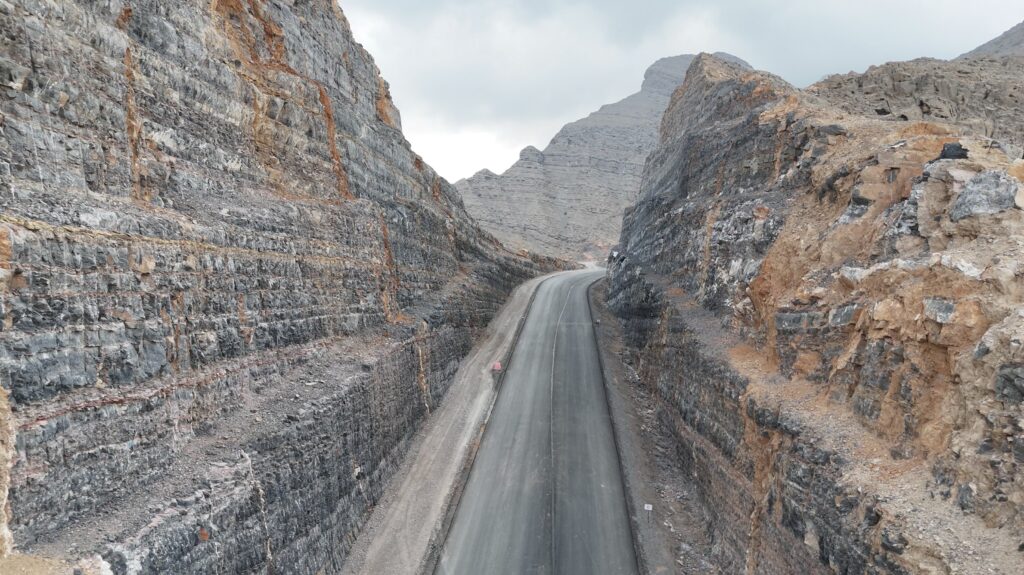
The Sultan Faisal bin Turki Road project in Musandam Governorate was cited as an example of how infrastructure projects can contribute to development and national capability building.
The project is being implemented in mountainous terrain presenting complex engineering and construction challenges, providing opportunities to develop Omani expertise in technically demanding road projects.
The project has reduced travel time between areas from approximately two and a half hours to about 55 minutes, improving connectivity and access to services while supporting the movement of people and goods and economic and tourism activity in Musandam.
The improved connectivity also creates opportunities for greater movement of locally produced goods, expansion of local businesses and smoother commercial activity, contributing to the broader economic impact of the project.
Meanwhile, the achievement of 100 percent Omanisation in supervisory consultancy roles for the Dibba-Lima road package reflects the ministry’s focus on assigning Omani professionals technical and managerial responsibilities.
Al Isai said Omanisation in transport projects is intended not only to create employment opportunities but also to develop national expertise capable of assuming greater responsibilities in project management and implementation.





