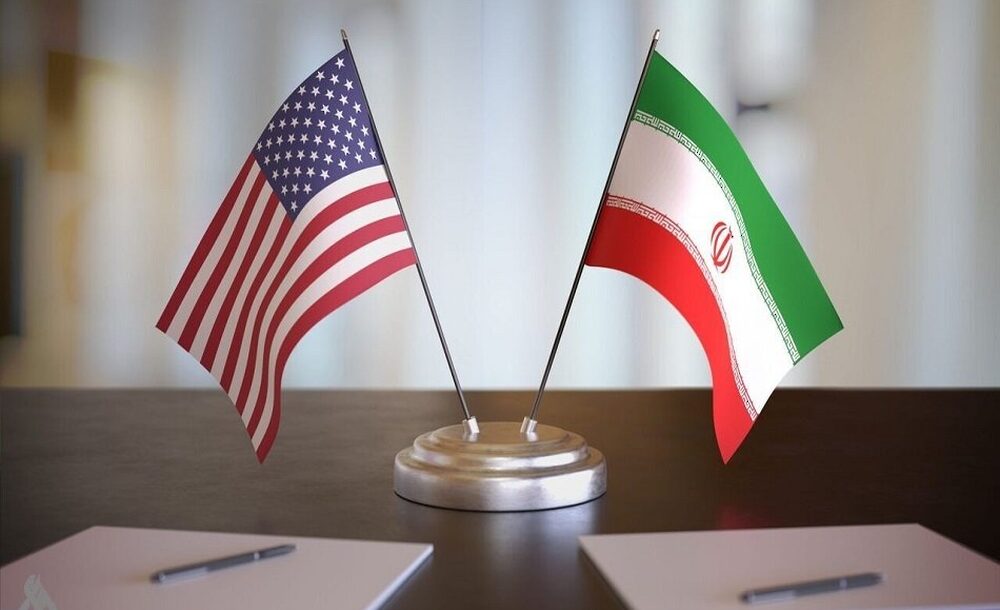

Tehran: Iranian Foreign Minister Abbas Araghchi outlined the proposal to reporters outside the UN Security Council on Friday, setting out a rapid timetable aimed at reviving diplomacy and restoring traffic through one of the world’s most important energy routes.
Araghchi said the seven-day timeline would begin once the United States accepted the proposal. Initial measures would take around four to five days, with the Strait of Hormuz expected to reopen on the sixth day.
On the seventh day, Iran would resume negotiations with Washington aimed at reaching a final agreement on mutually agreed issues, including Tehran’s nuclear programme.
Read More
- Bangkok declared disaster zone as floods swamp capital
- GCC-EU Summit in focus as leaders discuss regional tensions
- Bahrain leads 80 nations in urgent call for immediate reopening of Strait of Hormuz
- Meta bets beyond smartphones with new pocket-sized AI device ‘Charm’
- Chinese car brands hit record share in Europe as hybrid demand surges
The Strait of Hormuz has become a crucial source of leverage for Tehran during the conflict, with disruptions to shipping affecting global energy supplies and markets. Before the war, roughly a fifth of globally traded oil and gas moved through the strategic waterway.
The economic impact has extended well beyond the Middle East, adding pressure on energy markets and creating a political challenge for US President Donald Trump and the Republican Party ahead of the November midterm congressional elections.
The White House has not publicly accepted the Iranian proposal. US officials have said discussions with mediators over the conflict remain positive and constructive, while Washington has also said it is facilitating significant oil exports through the Strait of Hormuz.
The proposal was conveyed to Washington through Qatar and closely resembles an interim agreement reached earlier in June, although the latest plan seeks to implement the measures on a much faster timetable.
The earlier arrangement envisaged a 60-day period for negotiations but unravelled within weeks amid renewed hostilities and disputes over shipping through the strait.





