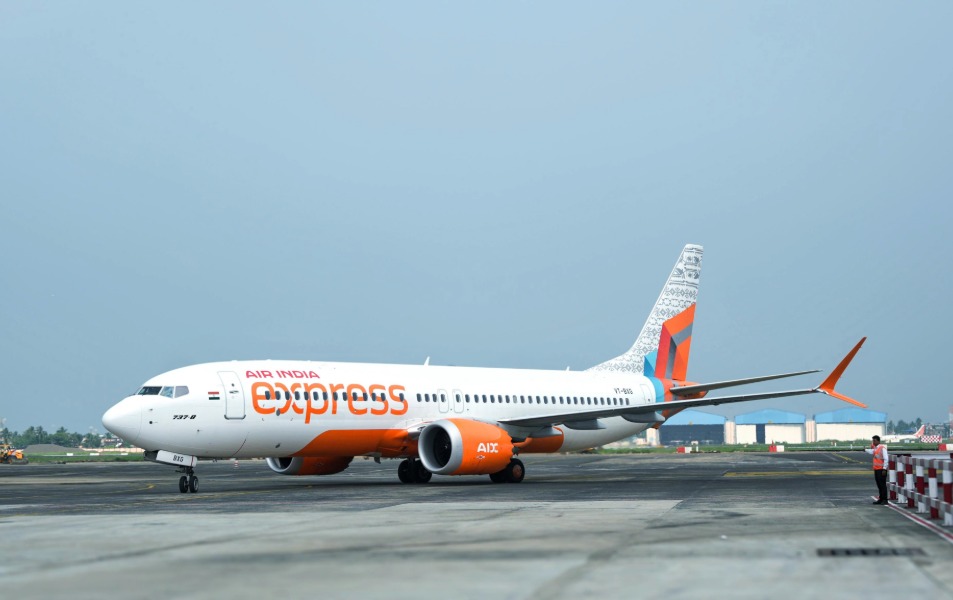

Kochi: The Boeing 737, operating as flight IX 415 from Kochi to Abu Dhabi, was around 50 minutes into its journey and cruising at 36,000 feet when the flight crew noticed the oil quantity in Engine 1 dropping rapidly.
As the oil level continued to fall, the pilot and co-pilot carried out a FORDEC assessment, a structured decision-making process used by flight crews, and decided to abandon the Abu Dhabi-bound sector and return to Cochin International Airport.
The commander subsequently contacted Mumbai Radio on high frequency and informed Air Traffic Control that the aircraft was turning back to Kochi, while standard safety procedures were initiated.
Read More
- IndiGo cancels Riyadh flights until October 31, 3 other Saudi routes until October 27 amid evolving security situation
- UAE closes all beaches in Umm Al Quwain after tanker oil spill detected
- Earthquake of Magnitude 7.0 Strikes Tibet; 16 Dead, 32 injured
- Nigeria reports first imported Ebola Bundibugyo case in Abuja: WHO
- US midterm voting begins in Texas as Democrats target historic gains
During the return journey, both pilots continued to closely monitor the engine parameters and prepare for possible contingencies.
Around 45 minutes after the aircraft turned back, Engine 1 oil pressure began fluctuating before entering the red or danger zone on the cockpit indication. The pilots then followed the aircraft’s Non-Normal Checklist and shut down the affected engine.
The Boeing 737 continued towards Kochi on its remaining operating engine and subsequently landed safely at Cochin International Airport.
The aircraft was also reportedly overweight at the time of landing, making the single-engine approach a particularly demanding operation for the flight crew. The landing was completed safely, with no immediate reports of injuries. The number of passengers and crew onboard was not immediately available.
Passengers were reportedly largely unaware of the seriousness of the technical situation that had unfolded in the cockpit.
The latest incident comes amid heightened attention on technical and operational events involving Indian carriers.
Just days earlier, India’s Aircraft Accident Investigation Bureau (AAIB) released its preliminary report into an August 4 incident involving an Air India Phuket-New Delhi flight.
The investigation found that the Airbus A320 suffered a temporary loss of pressure in all three hydraulic systems while cruising at 36,000 feet, resulting in the loss of autopilot and flight-control disruptions before the systems recovered. The incident left passengers and crew injured and was subsequently classified as an accident.
The AAIB also said the pilot-in-command returned a “non-negative” result for a psychoactive substance during confirmatory testing, while the co-pilot tested negative. A detailed investigation into the technical and other aspects of that incident remains underway.
The cause of the Engine 1 oil loss aboard Air India Express flight IX 415 has not yet been officially disclosed.





