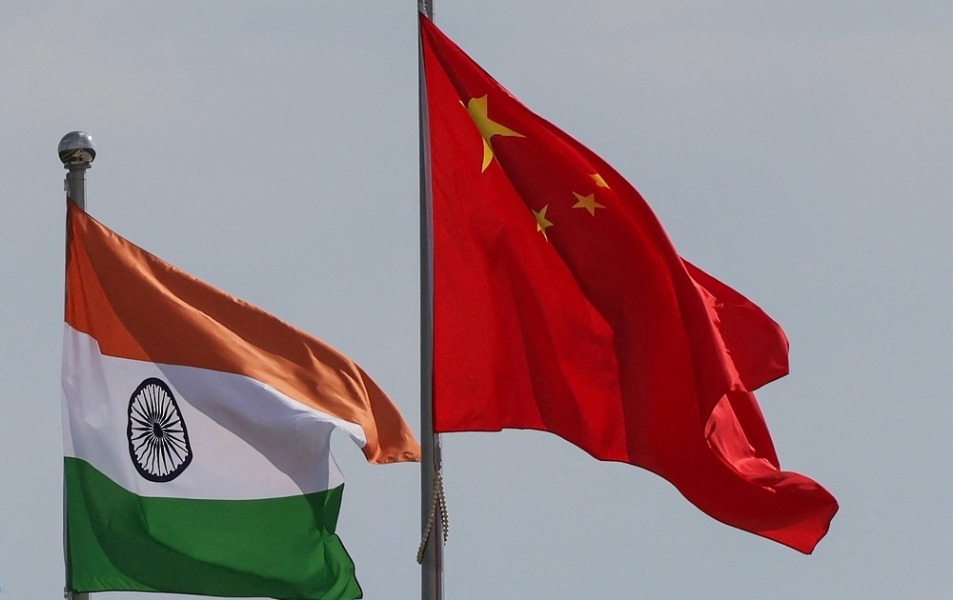

BEIJING : India’s National Security Adviser Ajit Doval and Chinese Foreign Minister Wang Yi held the 25th round of Special Representatives’ talks on the boundary question on Tuesday, August 25. China’s Foreign Ministry described the discussions as “comprehensive, in-depth, friendly and candid.”
India and China, both nuclear powers and among the world’s most populous nations, share a roughly 3,800-kilometre Himalayan border, large sections of which remain undemarcated and disputed. The boundary issue has remained one of the biggest challenges in relations between the two Asian powers.
During the talks, Wang said India-China relations had significance beyond the bilateral level and carried global and strategic importance. He called for stronger communication, greater mutual understanding and efforts to narrow differences and overcome obstacles between the two countries.
Read More
- UAE closes all beaches in Umm Al Quwain after tanker oil spill detected
- Earthquake of Magnitude 7.0 Strikes Tibet; 16 Dead, 32 injured
- Nigeria reports first imported Ebola Bundibugyo case in Abuja: WHO
- US midterm voting begins in Texas as Democrats target historic gains
- Putin proposes three-way summit with Trump and Xi to negotiate Ukraine conflict: Report
The Indian side said the two officials reviewed bilateral relations and discussed expanding mutually beneficial cooperation while ensuring peace and stability in the border areas. Doval stressed that a stable and forward-looking relationship between India and China was important not only for both countries but also for Asia and the wider world.
Both sides also discussed advancing boundary negotiations, improving mechanisms for managing the frontier and promoting cross-border cooperation. They reaffirmed their commitment to resolving differences through dialogue and consultation while maintaining peace and tranquillity along the border.
Relations between New Delhi and Beijing deteriorated sharply following the deadly Galwan Valley clash in 2020, which triggered a prolonged military standoff. Ties began improving after the two sides reached a disengagement agreement in October 2024, paving the way for renewed diplomatic engagement.
Prime Minister Narendra Modi subsequently visited China in 2025, his first trip to the country in seven years, signalling a gradual thaw in relations. However, recent tensions along the disputed frontier have again highlighted the sensitivity of the boundary question.
Wang urged both sides to learn from history and place the border dispute in its “appropriate position” within the broader relationship, while continuing to move forward without allowing the issue to derail improving ties.
India and China have agreed that the 26th round of Special Representatives’ talks will be held in India in 2027, continuing efforts towards a negotiated political settlement of the decades-old boundary dispute.
For all the latest news from Oman and GCC, follow us on Twitter, Instagram and LinkedIn, like us on Facebook and subscribe to our YouTube page, which is updated daily.





