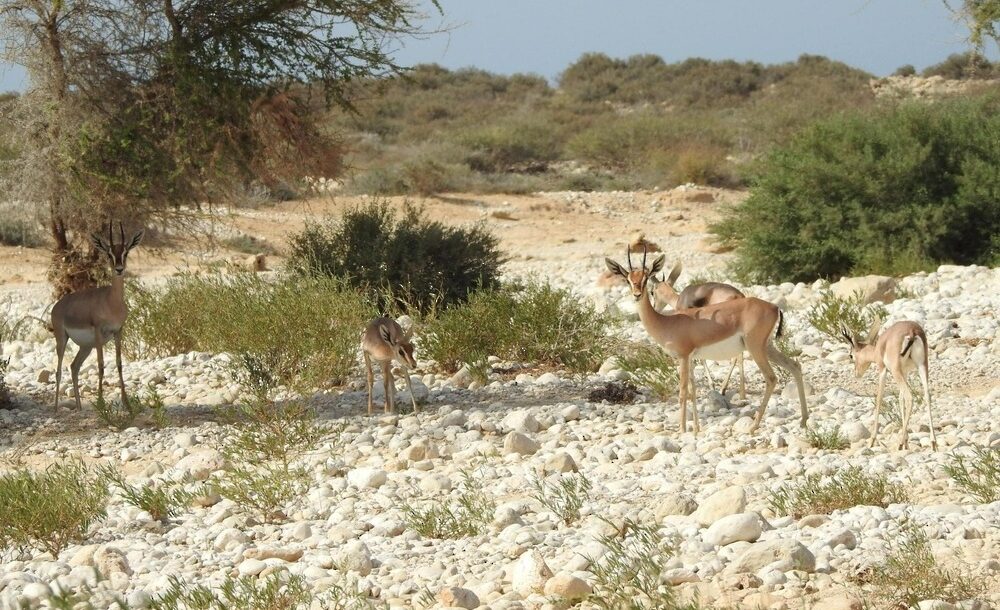

MUSCAT: The reserves form an integrated system for protecting terrestrial, marine and wetland ecosystems, as well as plant and animal species and their natural habitats.
Zahra bint Khalaf Al Shariqi, Head of the Natural Reserves Management Department at the Environment Authority, stated that the role of reserves extends beyond conservation to supporting scientific research, environmental monitoring, sustainable use of natural resources, environmental awareness and responsible ecotourism.
The Environment Authority is working to further develop Oman’s reserve network by studying proposed sites, updating management plans, strengthening regulations, expanding modern monitoring programmes and developing national biodiversity databases.
Al Shariqi said the Authority is also seeking to increase local community participation in natural resource management, while the next phase will focus on improving field management, developing reserve infrastructure and promoting sustainable ecotourism.
Oman has recorded several achievements in nature conservation in recent years, including the announcement of six new reserves over the past five years. The latest is the marine buffer zone reserve around the Hallaniyat Islands.
Last year, Al Jabal Al Akhdar and Al Sareen reserves were also included in UNESCO’s World Network of Biosphere Reserves, reflecting Oman’s efforts to combine biodiversity protection with sustainable development.
The Authority has also expanded habitat restoration programmes, reintroduced some wild species and strengthened environmental monitoring to improve the protection of endangered species.
Al Shariqi said wildlife conservation depends on protecting natural habitats that species require for feeding, reproduction and movement. Monitoring programmes use camera traps and other modern technologies, while environmental threats and activities within reserves are closely monitored and regulated.
Priority species include the Arabian leopard, Arabian oryx, Arabian gazelle, Arabian ibex, sea turtles and birds of prey, in line with international conservation classifications.
Among the main challenges facing Oman’s nature reserves are illegal hunting and climate change. Rising temperatures, changing rainfall patterns, pressure on water resources and increasing sea temperatures are affecting wildlife distribution and habitats, including coral reefs, mangrove forests and sea turtle nesting areas.
The Environment Authority is responding by incorporating climate considerations into protected-area management plans, strengthening long-term monitoring, restoring degraded habitats, expanding mangrove planting and using modern technologies to track environmental changes.
Al Shariqi described nature reserves as a fundamental pillar for achieving the Sustainable Development Goals, noting their role in protecting biodiversity and natural resources, supporting food and water security, mitigating climate change and advancing scientific research and environmental education.
She said the reserves also contribute to Oman’s international environmental commitments, including the Convention on Biological Diversity, the Ramsar Convention and the global “30×30” goal, which seeks to protect at least 30 percent of the world’s land and oceans by 2030.
Read More
- Oman calls for non-aggression pact among Gulf nations, says Sayyid Badr Al Busaidi
- Youth are the pillar of Oman’s development and future, says minister
- His Majesty Sultan Haitham issues decrees amending Council of Oman, Shura election laws
- Oman moves to ensure essential goods supply, price stability as CPA meets retailers
- 13 expats arrested for gambling in Muscat





