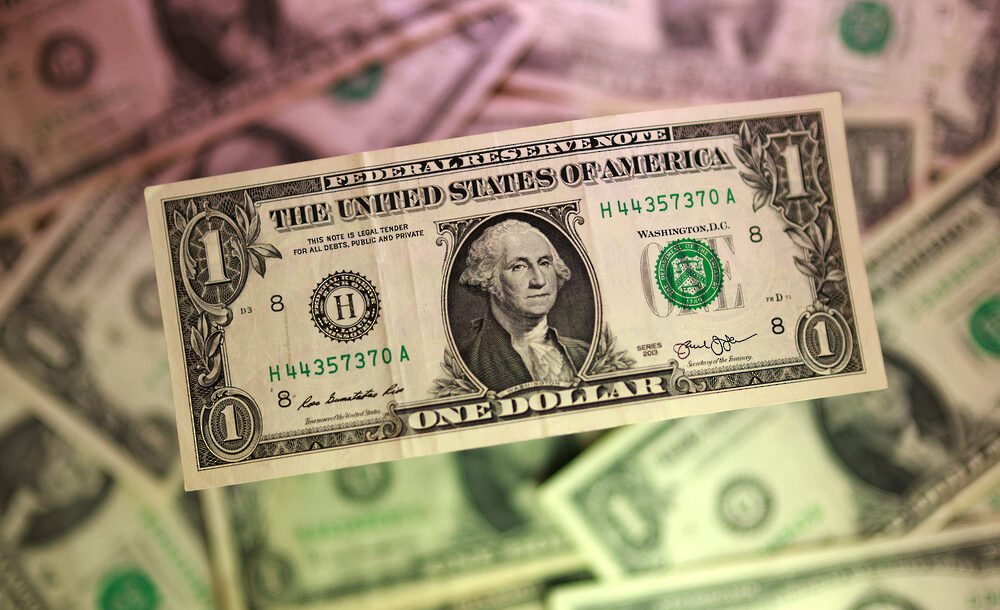

SINGAPORE – The dollar index, which measures the greenback against a basket of major currencies, slipped to 99.53, surrendering some of the gains it had recorded amid geopolitical tensions. Market sentiment improved after details emerged of the interim agreement aimed at ending the conflict between the United States and Iran.
Currency markets remained largely subdued during the Asian trading session, with investors reluctant to make significant moves ahead of the Federal Reserve’s interest rate announcement later in the day.
The euro was little changed at $1.1611, while the British pound held steady at $1.3430. The New Zealand dollar rose marginally to $0.5833.
Read More
- IndiGo cancels Riyadh flights until October 31, 3 other Saudi routes until October 27 amid evolving security situation
- UAE closes all beaches in Umm Al Quwain after tanker oil spill detected
- Earthquake of Magnitude 7.0 Strikes Tibet; 16 Dead, 32 injured
- Nigeria reports first imported Ebola Bundibugyo case in Abuja: WHO
- US midterm voting begins in Texas as Democrats target historic gains
The Japanese yen showed limited strength despite the weaker dollar, trading at 160.43 per dollar and remaining close to levels that have previously prompted intervention by Japanese authorities to support the currency.
The movement came after the Bank of Japan raised interest rates on Tuesday to their highest level in 31 years, marking a historic step in its shift towards normalising monetary policy. The central bank also signalled its readiness to tighten policy further as it seeks to contain inflationary pressures linked to higher energy costs stemming from the Iran conflict.
Meanwhile, the Australian dollar was steady at $0.7066 after the Reserve Bank of Australia left its benchmark interest rate unchanged at 4.35 per cent. The central bank noted signs of a slowing economy but indicated that additional rate increases remain possible if inflation proves persistent.





