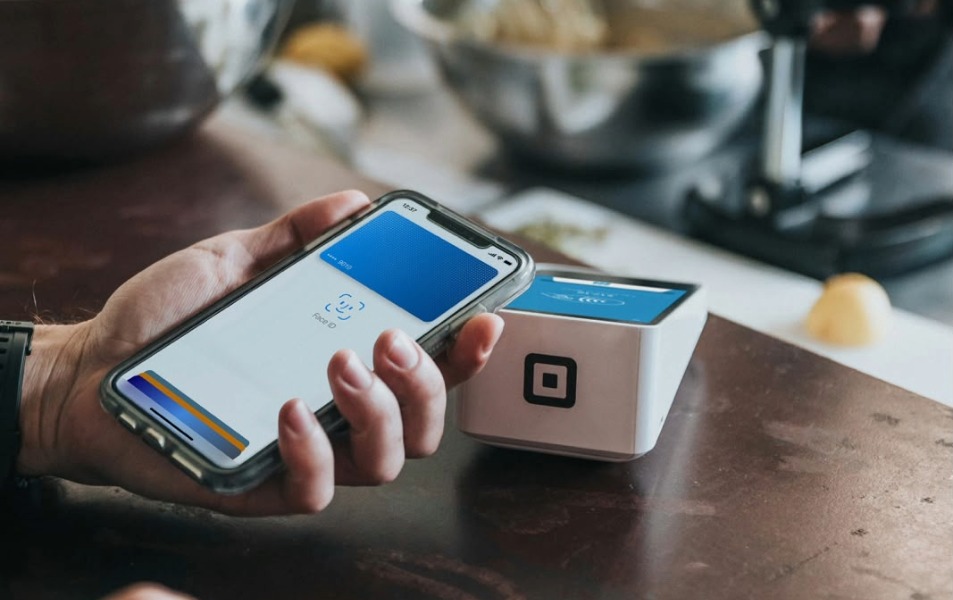

MUSCAT : The Central Bank of Oman (CBO) has announced a sweeping overhaul of fees across the country’s national payment systems, including the removal of charges on domestic digital money transfers for individuals and small and medium-sized enterprises (SMEs), as part of efforts to accelerate digital transformation and improve the business environment.
The measures, which take effect on July 1, 2026, were introduced in line with the directives of His Majesty Sultan Haitham bin Tarik to enhance the efficiency of government and financial services, support economic growth and encourage greater adoption of digital technologies.
Under the new framework, individuals and SMEs will be exempt from fees on domestic digital transfers conducted through Oman’s national payment systems, including the Real-Time Gross Settlement (RTGS) system, the Electronic Clearing System (ECS) and the Instant Payment System (IPS), when transactions are made through banking channels and digital payment platforms.
Read More
- ‘We stand on solid ground for joint investments with Botswana,’ Oman Investment Authority chief says
- Minister appoints Oman Chamber of Commerce and Industry elections committee
- His Majesty Sultan Haitham to visit Botswana and Angola from September 16
- Oman says some government digital services temporarily disrupted after power outage
- Two arrested over multiple thefts in Oman’s North Al Batinah
The central bank said the reforms are designed to make digital payments more accessible, affordable and widely used across the Sultanate, while reducing reliance on cash and paper-based transactions such as cheques.
In a further move to encourage digital adoption, the CBO has introduced significant reductions in fees associated with payment and transfer services offered by banks and licensed payment service providers. The decision followed consultations with stakeholders across the banking sector and consideration of the high operational costs associated with cash handling and cheque processing.
The regulator said banks and licensed payment providers have been instructed to implement a zero-fee policy for local digital transfers conducted by individuals and SMEs, removing cost barriers that may discourage customers from using electronic payment channels.
The central bank expects the move to encourage customers to shift away from branch-based and paper transactions towards faster and more efficient digital payment methods, while also reducing cash-management costs and operational burdens on financial institutions.
Free interbank transfers for individuals and SMEs conducted through the RTGS and electronic clearing systems will be available through various banking channels, helping lower transaction costs and improve operational efficiency for smaller businesses.
Meanwhile, instant person-to-person transfers through the Instant Payment System, whether conducted using mobile phone numbers or aliases, will remain free for all customers regardless of whether the recipient uses the same bank or a different payment provider.
The reforms also include changes to payroll transfer fees for private-sector companies covered under the Ministry of Labour’s Wage Protection System. Banks will now be permitted to charge a maximum fee of RO1 per month for processing salary files, regardless of the number of employees, salary batches or recipient banks involved. The central bank said the measure would reduce administrative burdens on employers and encourage more efficient electronic salary payments.
To support entrepreneurs, retailers and SMEs, the CBO has also reduced the maximum merchant service charge applied to QR-code payments from 0.75% to 0.50% of the transaction value, capped at RO2 per transaction.
The regulator said the reduction would lower payment acceptance costs for merchants, promote wider adoption of digital payment solutions and enable small businesses to offer secure and efficient electronic payment options at lower operating costs.
The announcement forms part of a broader programme to strengthen Oman’s national payments infrastructure. The central bank highlighted ongoing enhancements to payment systems and the rollout of the national banking card scheme, “Maal”, under which several fees—including card issuance, annual fees and technical accreditation charges imposed on banks and payment providers—have already been waived to encourage market adoption.
According to the CBO, Maal offers merchants transaction fees that are roughly 50% lower than those associated with many other payment card networks, helping businesses reduce payment acceptance costs and expand the use of national digital payment solutions.
The central bank has also expanded direct debit and electronic mandate services as secure digital alternatives to cheques and recurring payments. These services are provided free of charge to customers and are intended to support broader adoption of electronic payment methods across the economy.
Ahmed Al Musalmi, Governor of the Central Bank of Oman, described the decision as a milestone in the regulator’s efforts to make digital payments the preferred method for financial transactions in the Sultanate.
“By removing digital payment fees for individuals and SMEs, we are encouraging wider adoption of secure, efficient and accessible payment solutions for all,” Al Musalmi said.
He added that the central bank remains committed to strengthening the national payments ecosystem, advancing financial inclusion, fostering innovation and delivering value to consumers, businesses, banks, payment providers and the wider economy.
The CBO said it will continue working closely with banks, payment providers and other stakeholders to ensure the effective implementation of the new fee structure. It will also monitor digital payment adoption throughout 2026 to assess the impact of the reforms on customer behaviour, cash usage, cheque transactions and the overall efficiency of payment services.
Banks and payment providers have been instructed to launch public awareness campaigns across traditional and digital media platforms to inform customers about the new measures and the benefits of using digital payment channels.
For all the latest news from Oman and GCC, follow us on Twitter, Instagram and LinkedIn, like us on Facebook and subscribe to our YouTube page, which is updated daily.





