

MUSCAT – The authority said the preparations are being implemented in coordination with strategic partners through an integrated operational plan aimed at enhancing air connectivity, improving airport services and ensuring a smoother travel experience for visitors heading to Dhofar Governorate during the popular monsoon season.
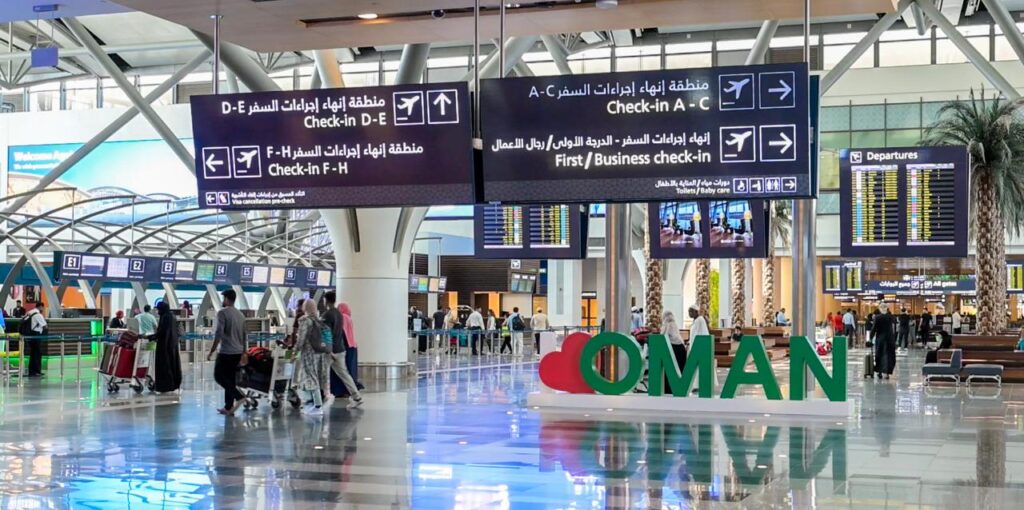
According to the authority, Oman Air will operate its Khareef schedule from early July until September 5, while SalamAir will operate from early July until August 31.
Oman Air plans to operate up to 13 daily flights between Muscat and Salalah during peak periods, compared with 12 daily flights in its original 2025 schedule. The airline had increased operations to 14 daily flights during some peak periods last year in response to strong demand.
Read More
- Oman says some government digital services temporarily disrupted after power outage
- Two arrested over multiple thefts in Oman’s North Al Batinah
- His Majesty Sultan Haitham issues four Royal Decrees
- Oman postpones Salalah regional meeting, seeks better conditions for constructive dialogue
- India condemns attack on commercial vessel off Oman coast; 13 Indian crew rescued, one missing
SalamAir, meanwhile, plans to operate up to 10 daily flights on the same route during peak periods. The airline is scheduled to operate 984 flights during the 2026 season, up from 962 flights in 2025, reflecting increased operational capacity to meet growing passenger demand.
The authority said Oman Air is expected to offer around 330,000 seats during the season, compared with 313,000 seats last year, while SalamAir is expected to provide approximately 190,844 seats.
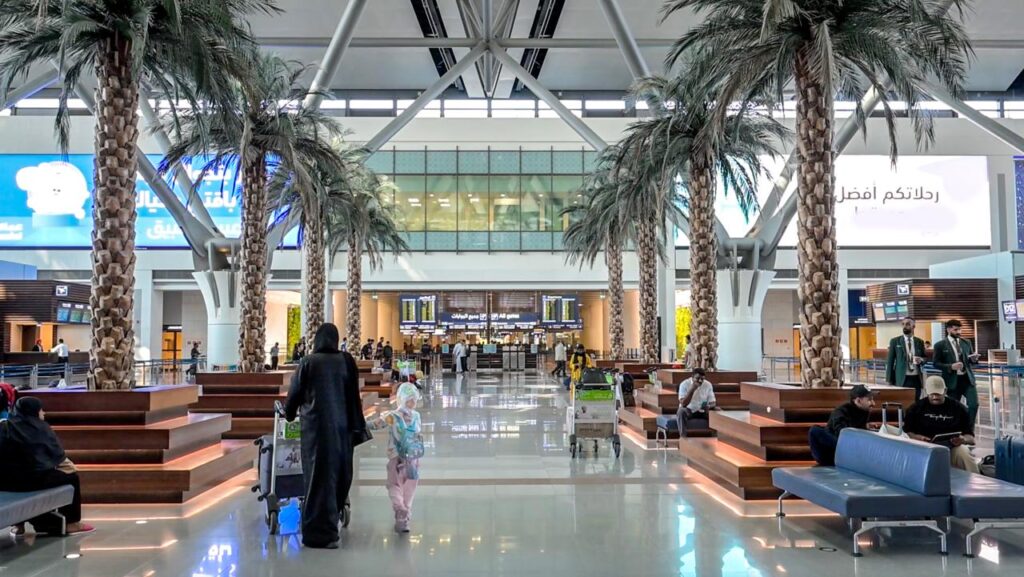
Passenger traffic is also projected to increase. Oman Air expects to carry around 298,000 passengers during the season, up from 277,000 last year, representing growth of about 8 per cent. SalamAir forecasts more than 166,000 passengers, compared with over 165,000 passengers during the previous season.
Mohammed bin Ahmed Al Yafai said the authority is focused on enhancing the readiness of the air transport sector during the Khareef season by increasing operational efficiency, expanding capacity and improving passenger services across airports.
He said the authority is working closely with airlines and relevant stakeholders to ensure the smooth implementation of operational plans, maintain flexibility during peak travel periods and respond quickly to changes in demand.
Al-Yafai added that the efforts form part of a broader strategy to support the Khareef season and strengthen the position of Dhofar as one of the region’s leading tourism destinations while enhancing the efficiency of Oman’s aviation sector.
Regarding fares, the authority said Oman Air will continue to offer the ticket prices introduced in 2024, with round-trip fares set at OMR 54 and one-way fares at OMR 32 for eligible passengers.
SalamAir will continue offering three fare categories based on booking periods and baggage options, with one-way fares starting from OMR 9.99 for early bookings and reaching OMR 56.99 for round-trip travel with checked baggage under late-booking categories.
The authority also highlighted expanded domestic and international connectivity for the season. SalamAir will operate direct flights to Salalah from Dammam and Baghdad, in addition to services on the Muscat–Khasab route.
Oman Air will launch flights between Dubai and Salalah from July 3, operating three times a week. The airline has allocated approximately 18,000 seats on routes connecting Salalah with destinations across the Gulf Cooperation Council countries between July and September and plans to increase seat capacity on peak travel days, particularly Thursdays and Saturdays.
Salalah Airport is expected to handle 68 flights operated by foreign airlines during the season, including 39 flights from the United Arab Emirates operated by Air Arabia, flydubai and Etihad Airways. Additional services include 11 flights from Saudi Arabia operated by Flynas, 14 flights from Qatar Airways and four flights from India operated by Air India Express.





