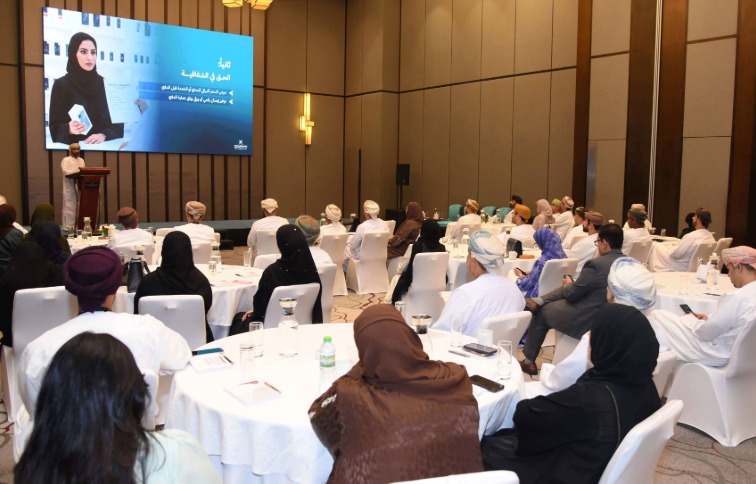

MUSCAT : Bank Muscat, the leading financial services provider in the Sultanate of Oman, organised a specialised seminar on digital payments in the Sultanate in collaboration with Central Bank of Oman (CBO), Ministry of Commerce, Industry & Investment Promotion, Consumer Protection Authority, and Oman Banking Association. The seminar was held as part of the national efforts aimed at accelerating digital transformation, supporting financial innovation, and strengthening an integrated digital payments ecosystem aligned with the objectives of Oman Vision 2040.
The seminar brought together representatives the concerned parties and a group of small businesses owners, in addition to a distinguished group of specialists and experts from the financial services and technology sectors. A series of presentations were delivered, addressing the latest developments in digital payment systems, regulatory and legislative frameworks, and the security of electronic transactions, alongside highlighting national experiences and future initiatives in this vital sector.
Commenting on the occasion, Abdullah bin Hamood Al Jufaili, Assistant General Manager Digital Banking, Bank Muscat, stated: “the Bank continues its efforts to adopt the latest digital solutions and technologies that contribute to the development of the financial sector and enhance the efficiency of banking services, in line with its role as a strategic partner in supporting digital transformation initiatives and achieving the objectives of Oman Vision 2040. Organising this seminar reflects the importance of integration and collaboration among all relevant stakeholders to develop an advanced and secure digital payments ecosystem that meets the aspirations of individuals and institutions while keeping pace with the rapid global developments in financial technology.” Al Jufaili added: “We take pride in offering an integrated range of digital solutions and services that contribute to simplifying financial transactions and enhancing customer experience, while continuously applying the highest standards of security and reliability. This strengthens confidence in digital payment methods and supports sustainable economic growth.”
Read More
- Joyalukkas breaks two Guinness World Records titles with the world’s heaviest and largest pair of gold earrings
- IMF mission to begin Oman economic review on October 25
- Kreston Menon Al Dohh enters Oman market
- Muscat maritime forum to tackle resilience of global trade routes
- Oman Investment Authority leads alliance to launch $500 million Central Asia and Caucasus fund
The seminar commenced with a paper presented by Samah bint Salim Al Shukaili, Payment Systems Specialist at the Central Bank of Oman, which highlighted the evolution of payment systems in the Sultanate of Oman, the stages of development of the national payments infrastructure, and the pivotal role played by the Central Bank in advancing this sector and enhancing its readiness to keep pace with the rapidly evolving global financial technology landscape.
Another paper, presented by Hilal bin Mohsin Al Aamri, Director of the Inspection Department at the Ministry of Commerce, Industry and Investment Promotion, discussed the legal framework governing electronic payments and the importance of developing an integrated legislative environment that supports innovation while safeguarding the rights of all stakeholders. The paper emphasised the role of legislation in strengthening confidence in digital services and encouraging investment in modern financial technologies.
The seminar also addressed consumer rights within the digital environment and the protection mechanisms adopted to ensure the safe use of modern payment methods through a presentation delivered by Khalid bin Salim Al Siyabi, Director of the Department of Market Regulation and Monitoring, the Consumer Protection Authority. He underscored the importance of raising user awareness, promoting transparency, and developing channels that ensure effective complaint handling and the protection of consumers’ personal and financial data.
In another session, Bank Muscat presented a paper delivered by Naila bint Shafi Al Balushi, Merchant Relationship Manager, on the importance of digital payments and the diverse services associated with them, highlighting the growing impact of digital solutions in facilitating daily financial transactions for individuals and businesses, while enhancing transaction speed and efficiency in support of the business environment and customers’ aspirations for more advanced and flexible banking services.
The seminar also featured another paper on the security aspects of digital payments presented by Ahmed Khalfan Ambusaidi, Head of eChannels Support, at Bank Muscat, focusing on digital payment security and the latest technologies used to protect electronic transactions. The discussion emphasised the importance of implementing global best practices in cybersecurity and leveraging advanced technological solutions to ensure the reliability of digital services and strengthen users’ confidence in them.
The seminar concluded with a strategic paper on the national “Maal” card and its role in enhancing national sovereignty within the payments sector and strengthening the local payment ecosystem, in line with the national direction towards building an integrated and sustainable digital economy. The paper was presented by Mohammed bin Abdullah Al Siyabi, Head of Local Card Payment Systems at the Central Bank of Oman.
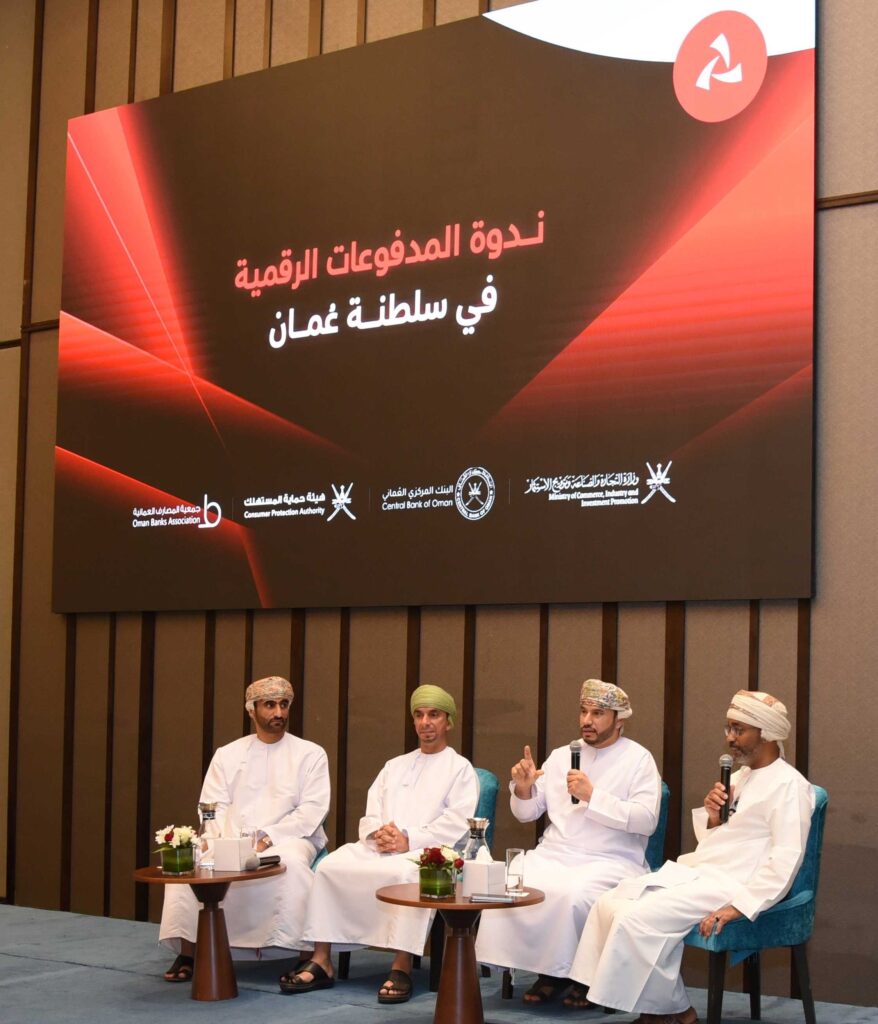
The seminar also included an open panel discussion bringing together representatives from the participating entities to discuss the key challenges and opportunities related to the future of digital payments in the Sultanate, as well as the importance of integration between financial institutions, regulatory bodies, and technology service providers to develop a more efficient and secure digital ecosystem.





