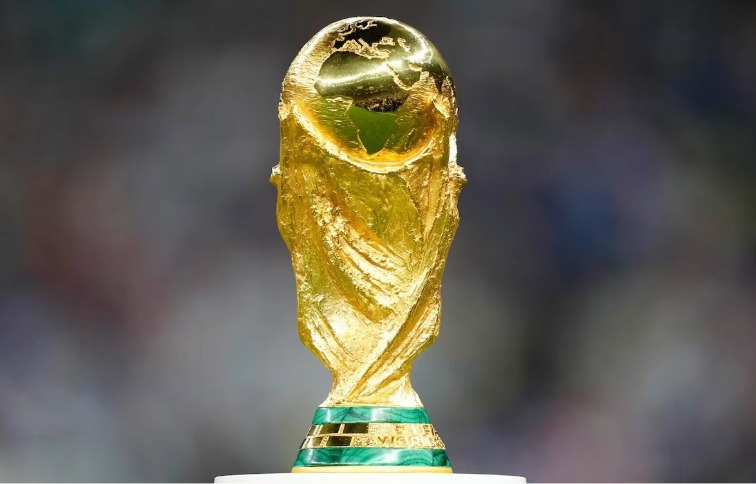

New Delhi: The FIFA World Cup is often described as football’s biggest global celebration, bringing together millions of fans for a month of late-night matches, passionate rivalries, and unforgettable moments. However, uncertainty now surrounds how fans in India and China will watch the 2026 edition of the tournament.
According to multiple reports, no official broadcaster has yet been confirmed for either country, even as FIFA has reportedly completed media rights agreements across more than 175 territories worldwide.
In India, negotiations are believed to have stalled over valuation disagreements between FIFA and broadcasters. Reports claim the Reliance Disney joint venture JioStar offered nearly $20 million for the rights package, while FIFA was reportedly seeking close to $100 million for the combined 2026 and 2030 World Cup rights.
Read More
- LA Olympics cricket qualifiers scheduled for January-February 2028, WTC final from 8 June 2029
- Liverpool fight back from two goals down to beat Villarreal 4-3 in Champions League thriller
- Arshdeep Singh just five wickets away from becoming first Indian with 150 T20I scalps
- Schedule unveiled for ICC Women’s U19 T20 World Cup 2027
- Boland shines as South Africa struggle against Australia
Broadcasters are also said to be concerned about commercial returns, with many matches scheduled to take place past midnight in India due to the tournament being hosted in North America. Industry insiders believe this could impact television viewership and advertising revenue, especially with a significant share of marketing budgets already tied to cricket properties.
There are reports suggesting that Prasar Bharati and DD Sports could enter late-stage discussions with FIFA, although no official announcement has been made so far. Even if a deal materialises, reports indicate that not all matches may be telecast, raising concerns that many fans could turn to illegal streaming platforms.
The situation has also raised disappointment among football lovers across India, particularly in states like Kerala, where the World Cup atmosphere often resembles a festival. Local clubs, homes, and community halls traditionally become gathering spots for fans supporting nations like Argentina, Brazil, and Portugal through the night.
Meanwhile, uncertainty continues in China as well. FIFA has reportedly stated that discussions remain ongoing and confidential. Traditionally, Chinese state broadcaster CCTV secures World Cup rights months ahead of the tournament and launches promotional campaigns early, but reports suggest there has been no official confirmation this time.
The lack of a broadcast agreement is considered particularly significant given China’s massive football audience. Reports indicate that China contributed nearly half of the global digital viewing hours during the previous FIFA World Cup, making the current deadlock a major commercial concern.
The 2026 FIFA World Cup will be the first expanded edition featuring 48 teams.





