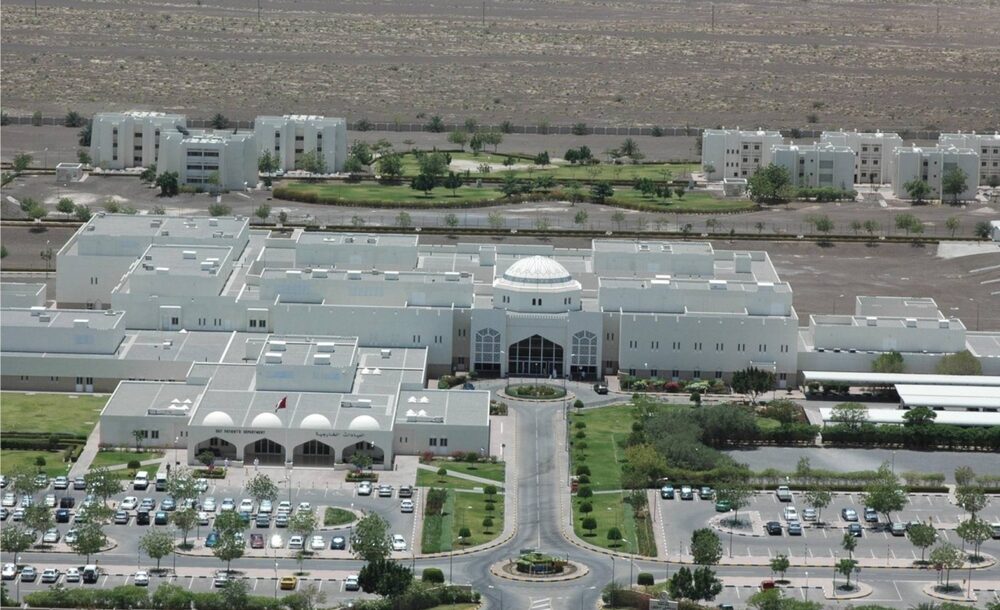

Muscat: The figures reflect a growing regional shift toward integrating health into urban planning, with authorities positioning the Healthy Cities initiative as a comprehensive framework that connects infrastructure, environment, and lifestyle to overall public well-being.
Gulf health authorities say the initiative goes beyond traditional healthcare systems, embedding health considerations into daily life. Digital transformation and health innovation are now central to this approach, playing a key role in strengthening healthcare delivery and improving quality of life across the region.
Efforts across GCC countries are also intensifying to position the region as a global benchmark in advanced health systems. Policymakers are focusing on aligning health strategies with broader development goals, ensuring that economic growth and societal well-being move hand in hand.
Read More
- IndiGo cancels Riyadh flights until October 31, 3 other Saudi routes until October 27 amid evolving security situation
- UAE closes all beaches in Umm Al Quwain after tanker oil spill detected
- Earthquake of Magnitude 7.0 Strikes Tibet; 16 Dead, 32 injured
- Nigeria reports first imported Ebola Bundibugyo case in Abuja: WHO
- US midterm voting begins in Texas as Democrats target historic gains
Supporting this progress, the GCC has recorded higher-than-global-average rates of hospitals, physicians, and hospital beds per 10,000 people, an indicator of robust healthcare infrastructure and enhanced access to medical services.
However, challenges remain. Data shows that deaths linked to air pollution range between 16 and 45 per 100,000 people across GCC countries, highlighting the need for continued environmental and public health interventions.
On a positive note, the region has achieved remarkably low mortality rates tied to unsafe water, sanitation, and poor hygiene, with figures not exceeding 0.1 deaths per 100,000 people. Similarly, deaths resulting from unintentional poisoning remain minimal, with the highest recorded rate at just 0.4 per 100,000 inhabitants.





