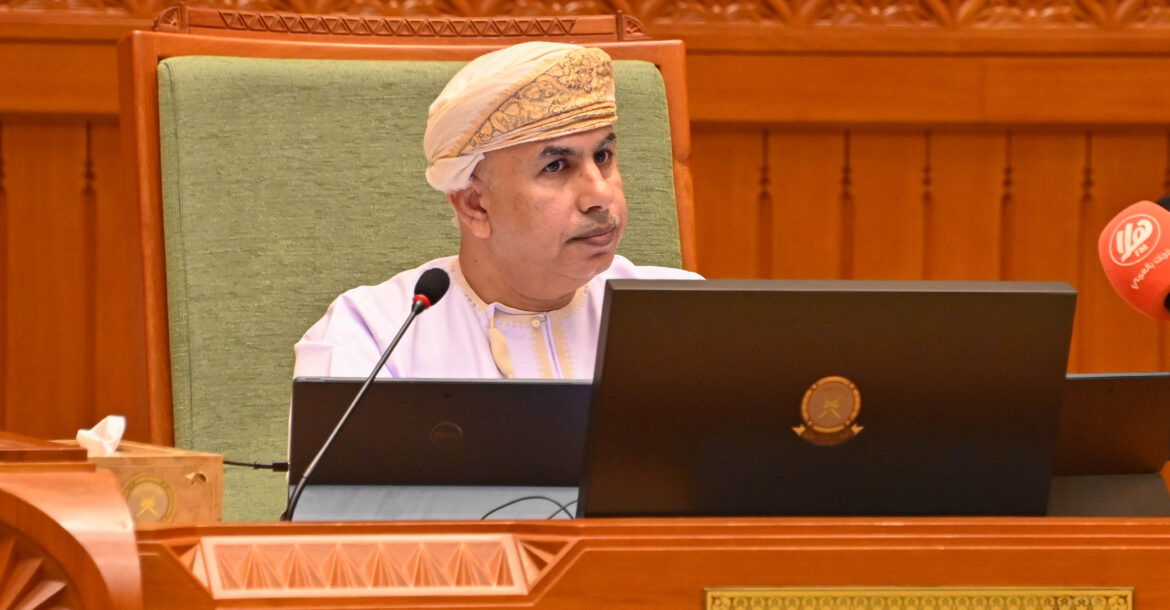

MUSCAT – The Shura Council, in its sixteenth regular session of the third ordinary sitting of its tenth term, hosted His Excellency Dr. Hilal bin Ali Al Sabti, Minister of Health, to review the performance of the health sector and evaluate its policies and executive programmes. The discussion covered institutional performance, development projects, quality of services, crisis management, health transformation, and financial sustainability.
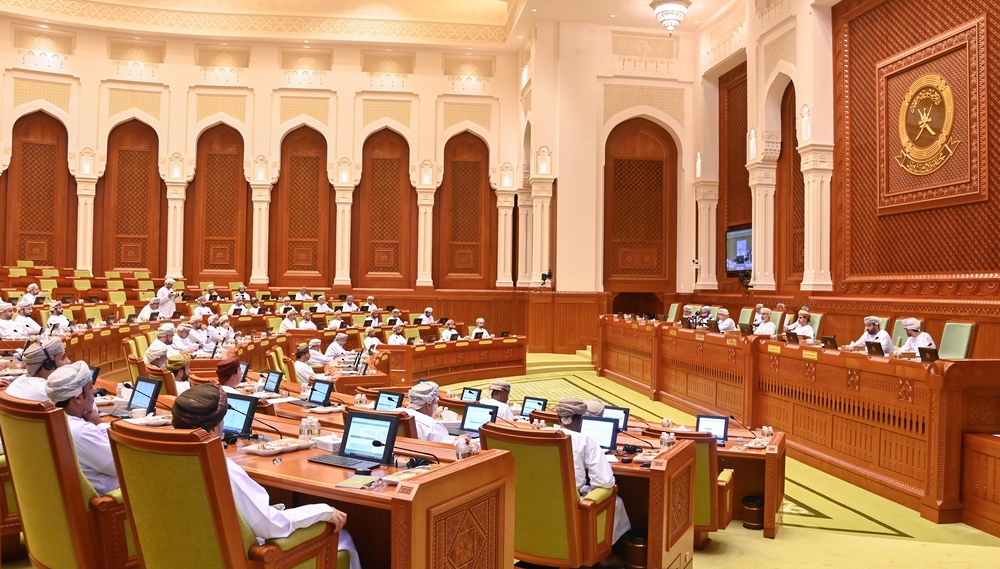
Addressing the session, the Minister highlighted a RO10 million strategic stock allocation for medicines and medical supplies, alongside notable improvements in maternal and child health indicators, reduced patient waiting times, and expanded hospital capacity across the Sultanate.
The Minister pointed out that the Ministry had completed several strategic initiatives under the Tenth Five-Year Development Plan (2021–2025), including the adoption of the National Health Policy, the National Policy for Governance and Management of Health Information, and the launch of the Omani system for accreditation of health institutions. He also noted the completion of a health system performance evaluation in cooperation with the World Health Organization, a national survey on non-communicable diseases, and the implementation of the premarital medical examination programme in 2026 under Royal Decree No. 111/2025, aimed at strengthening family health and reducing genetic risks.
Read More
- Oman’s media must adapt to AI while upholding accuracy, minister says
- Oman forecasts thunderstorms from October 25 as low-pressure trough approaches
- Oman, UK agree to deepen defence, investment and technology partnership
- Oman seeks citizens’ feedback to improve local services
- Salalah welcomes first direct charter flight from Kazakhstan
His Excellency Dr. Al Sabti highlighted major infrastructure developments, including the operation of Al Mazyouna, Al Suwaiq, Khasab, and Wadi Bani Khalid hospitals, bringing the total number of Ministry-run hospitals to 56. He also pointed to the launch of the Central Public Health Laboratory and four specialised centres covering fertility, recovery services, and virtual healthcare, in addition to new health complexes in Al Mabelah and Al Amerat and upgraded services in Liwa. A wide range of health centres across various governorates were also developed or enhanced, alongside expansions in tertiary care services in Sohar, Nizwa, and Sur.
He said between 20 and 30 new specialised services had been introduced in secondary hospitals as part of decentralisation efforts, while emergency units and dialysis services were expanded across multiple wilayats. Maintenance funding for governorate health directorates was also strengthened with RO7 million during the development plan period.
Health indicators showed measurable improvement, with under-five mortality declining to 9.9 per 1,000 live births in 2024 compared to 10.3 in 2021, while infant mortality fell to 8 per 1,000 live births. Maternal mortality also declined significantly from 17.3 per 100,000 live births in 2021 to 11.5 in 2025, supported by expanded prenatal care and increased medically supervised births. Waiting times for outpatient appointments were also reduced, with cases exceeding four weeks falling from 32 percent to 24 percent, while in tertiary hospitals the figure dropped from 50 percent to 30 percent. Non-emergency surgical waiting times also improved, with 83 percent of patients now treated within 18 weeks in line with international standards.
The Minister said Oman had achieved notable medical milestones, including its first heart transplant from a brain-dead donor and the implantation of the HeartMate 3 artificial heart. The Ministry also received several international recognitions, including World Health Organization certification for eliminating mother-to-child transmission of HIV and syphilis, and awards in public health, elderly care research, and family health, in addition to the designation of the Central Public Health Laboratories as a regional collaborating centre for emerging infectious diseases.
On workforce development, he said the number of health sector employees had increased significantly, with Omanisation reaching 71 percent overall and full localisation achieved in nursing and health assistant categories. High Omanisation rates were also recorded in pharmacy, medical devices engineering, and administrative and financial roles. He added that thousands of employees had been recruited and trained under employment and training programmes, with additional opportunities planned for 2026 in coordination with the Ministry of Labour.
Looking ahead, His Excellency Dr. Al Sabti said the Ministry’s priorities include expanding universal healthcare coverage, developing decentralised health clusters, strengthening human resources, integrating artificial intelligence and modern technologies, and enhancing infrastructure resilience for emergencies and crises. He also outlined major projects under the Eleventh Five-Year Development Plan (2026–2030), including national centres for women and children, ophthalmology, rehabilitation, and genomics, as well as new hospitals and expanded recovery facilities in Muscat.
He added that the private health sector continues to play a key role in the system, comprising 36 private hospitals, more than 2,300 health institutions, and over 22,000 employees, with millions of annual patient visits and tens of thousands of procedures performed each year.
The session was chaired by His Excellency Khalid bin Hilal Al Maawali, Chairman of the Shura Council, in the presence of the Secretary-General and members of the Council.





