

MUSCAT : The achievement was realised through a joint research project carried out by a team from Sultan Qaboos University in cooperation with the Ministry of Agriculture, Fisheries and Water Resources, with support and funding from the Agricultural and Fisheries Development Fund. The project aligns with national efforts to promote a knowledge-based and sustainable economy in line with Oman Vision 2040.
The project focuses on importing spirulina strains that are better adapted and more productive under local climatic conditions, as well as studying their nutritional value, particularly protein content, to identify species with optimal economic productivity. It also includes the formulation and production of animal and fish feeds fortified with spirulina, which are tested according to scientific standards.
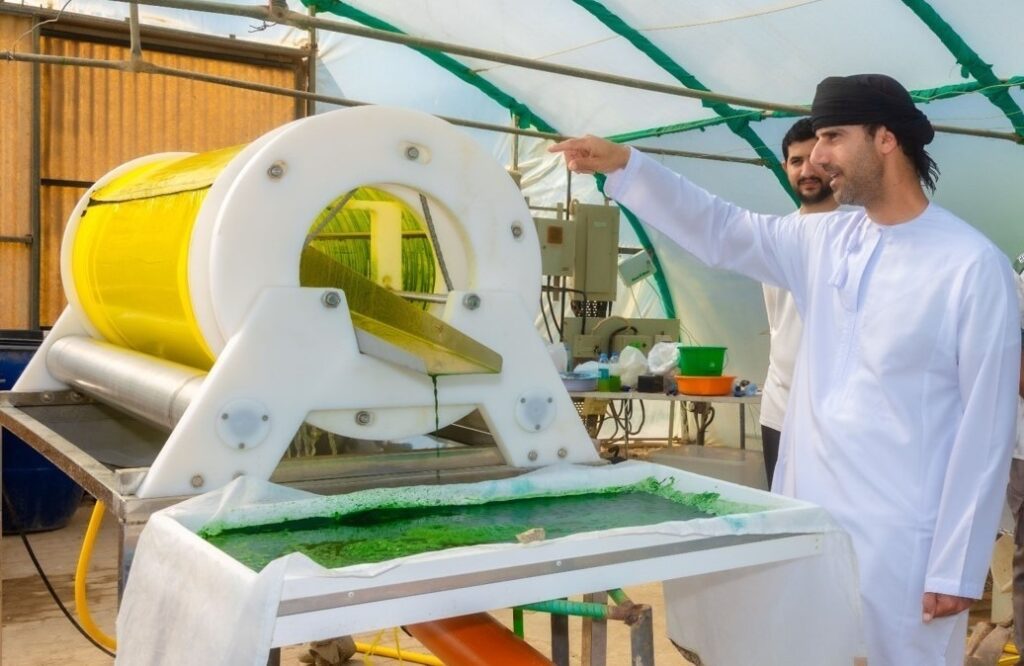

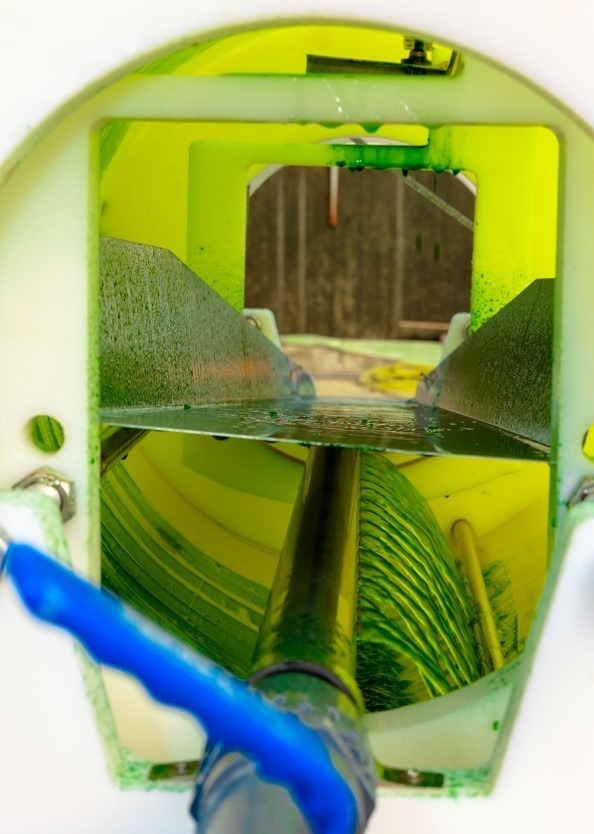
The research project, supervised by Dr. Hafez bin Ali Al Mahrouqi, Head of the Algae Unit at the Agricultural Experiment Station at Sultan Qaboos University, received funding of RO 80,000 from the Agricultural and Fisheries Development Fund. The support highlights SQU’s role in transforming scientific research into applied projects with tangible economic and developmental impact, while contributing to sustainability and food security.
Spirulina is among the most widely cultivated microalgae globally due to its high nutritional value, with protein content ranging between 60 and 65 percent of its dry mass. It is considered an important nutritional supplement for humans and animals and plays a key role in supporting the aquaculture and livestock sectors.
The algae’s ability to adapt to local environmental conditions and grow in saline water, up to seawater salinity, offers promising opportunities for utilizing saline lands affected by seawater intrusion in coastal areas, as well as regions near the Arabian Sea that are unsuitable for traditional agriculture.
Read More
- Indian medical representative found dead at residence in Oman
- Oman launches month-long national campaign to combat human trafficking
- Muscat Municipality steps up bridge maintenance to boost road safety
- Oman announces 803 preliminary candidates for municipal council elections
- ‘Dialogue is the real power capable of bringing us together’: Sayyid Badr tells UN
For all the latest news from Oman and GCC, follow us on Twitter, Instagram and LinkedIn, like us on Facebook and subscribe to our YouTube page, which is updated daily.





