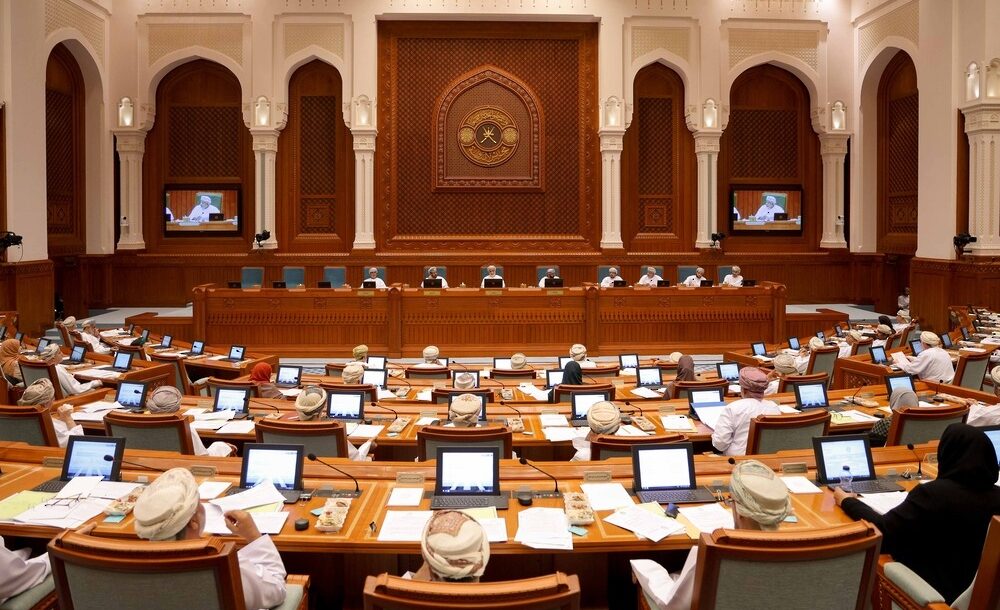

MUSCAT : During its fourth meeting of the third regular session of the eighth term, the State Council reviewed the “Draft Law on National Geographic and Spatial Data and Information”, the “Draft Law/System of Unified Industrial Regulation for the Gulf Cooperation Council States”, and the “Draft Law Amending Some Provisions of the Unified Customs Law/System for the GCC States”. The Council also examined the Education and Research Committee’s analytical and legislative study on enhancing academic achievement and skills mastery in school education in the Sultanate of Oman.
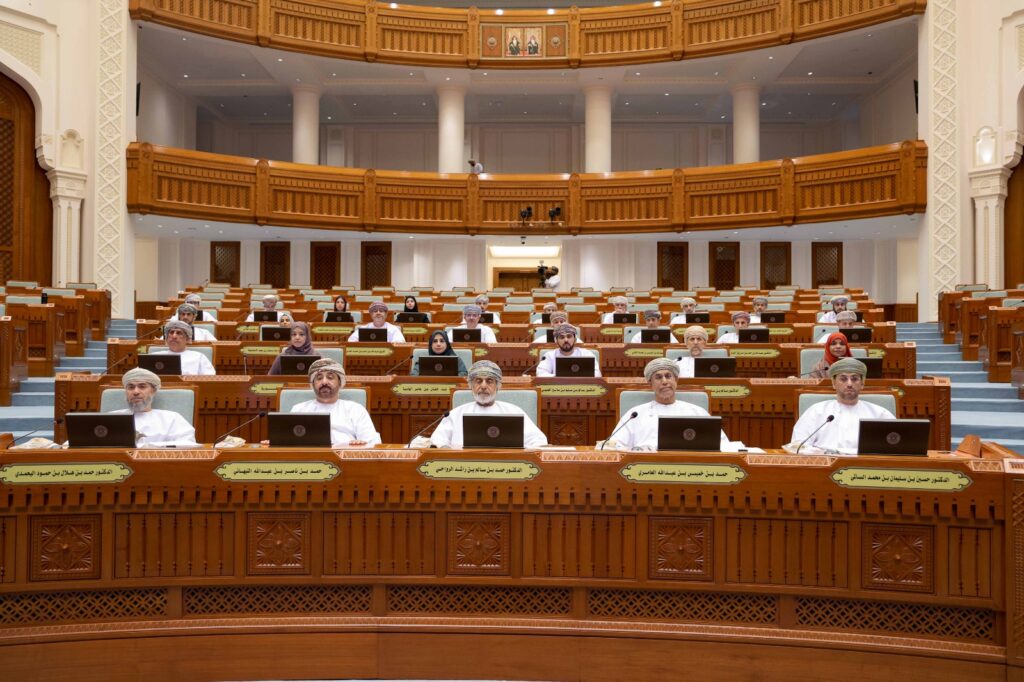
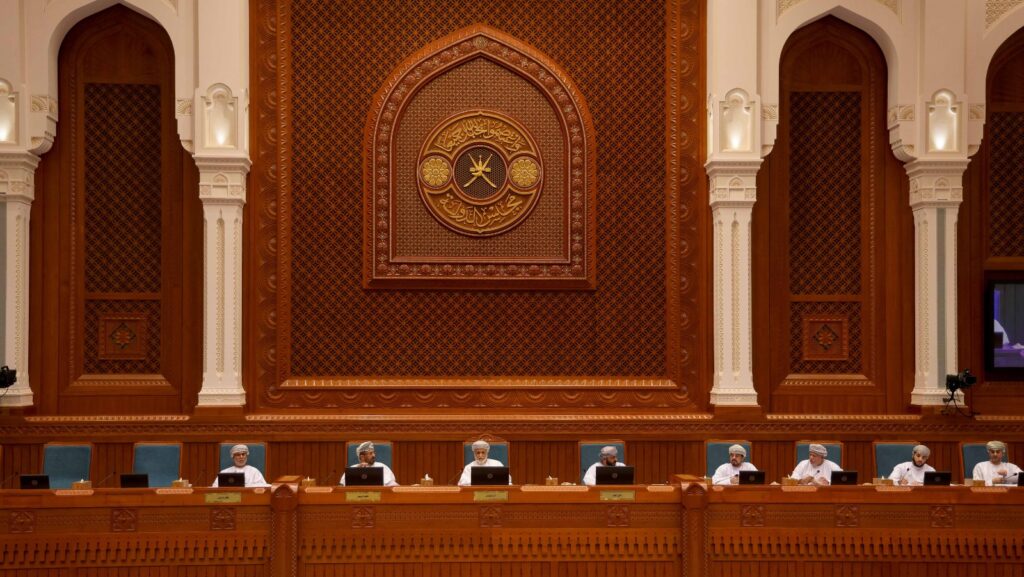

The session opened with remarks by Sheikh Abdulmalik bin Abdullah Al-Khalili, Chairman of the Council, who highlighted the importance of the agenda, noting that several draft laws are of a special nature due to their connection with joint GCC legislative systems. He urged standing and special committees to expedite the completion of approved studies and proposals ahead of upcoming sessions.
Reviewing the Legal Committee’s opinion on the National Geospatial Data and Information Project Law, Sheikh Sultan bin Matar Al-Azizi said the draft aims to establish an integrated national framework to regulate the collection, production, exchange and publication of geospatial data. The law seeks to unify policies, standards and technical specifications across public and private sectors, support sustainable development plans, and build national capacities in the surveying field. It also defines the scope of surveying activities and satellite image receiving stations, subject to conditions set out in executive regulations.
Read More
- Oman birth rate falls nearly 39% in a decade, forum urges support for families
- Oman Chamber of Commerce and Industry elections set for November 23
- What did His Majesty Sultan Haitham and UAE’s Sheikh Tahnoun discuss during Muscat meeting?
- Oman Investment Authority invests in Spanish space company PLD Space
- Oman health facilities rise to 2,464 as sector expands in 2025
On the Unified Industrial Regulation draft, Dr. Amer bin Nasser Al-Mutani, Vice Chairman of the Economic and Financial Committee, said the legislation is designed to unify and develop the industrial sector across GCC states, encourage investment, and advance economic integration. The framework promotes industrial growth, increases the sector’s contribution to national income, expands interdependence among GCC industries, and aligns manufacturing policies with regional economic development plans.
He added that the draft places strong emphasis on qualified national manpower, digital transformation, and the adoption of advanced manufacturing technologies in line with the Fourth Industrial Revolution, including knowledge-based and environmental industries. It also encourages the use of energy-efficient machinery and adherence to security, health, safety and environmental protection standards.
Regarding amendments to the Unified Customs Law, Dr. Al-Mutani explained that the proposal aims to unify customs procedures and systems among GCC countries, enhance cooperation, improve efficiency, and simplify processes. The changes are intended to facilitate smoother intra-regional and external trade, while aligning with Gulf efforts to standardise related policies and procedures.
Concluding the session, the Council discussed the Education and Research Committee’s study on school education quality. Dr. Abdullah bin Mohammed Al-Sarmi said the study evaluates current levels of academic achievement and skills mastery based on national and international assessments, reviews policies and initiatives of the Ministry of Education, and draws on international best practices. The study proposes integrated recommendations covering curriculum development, educational activities, teacher preparation, and stronger engagement of students, families and local community institutions to raise overall learning outcomes.
For all the latest news from Oman and GCC, follow us on Twitter, Instagram and LinkedIn, like us on Facebook and subscribe to our YouTube page, which is updated daily.





