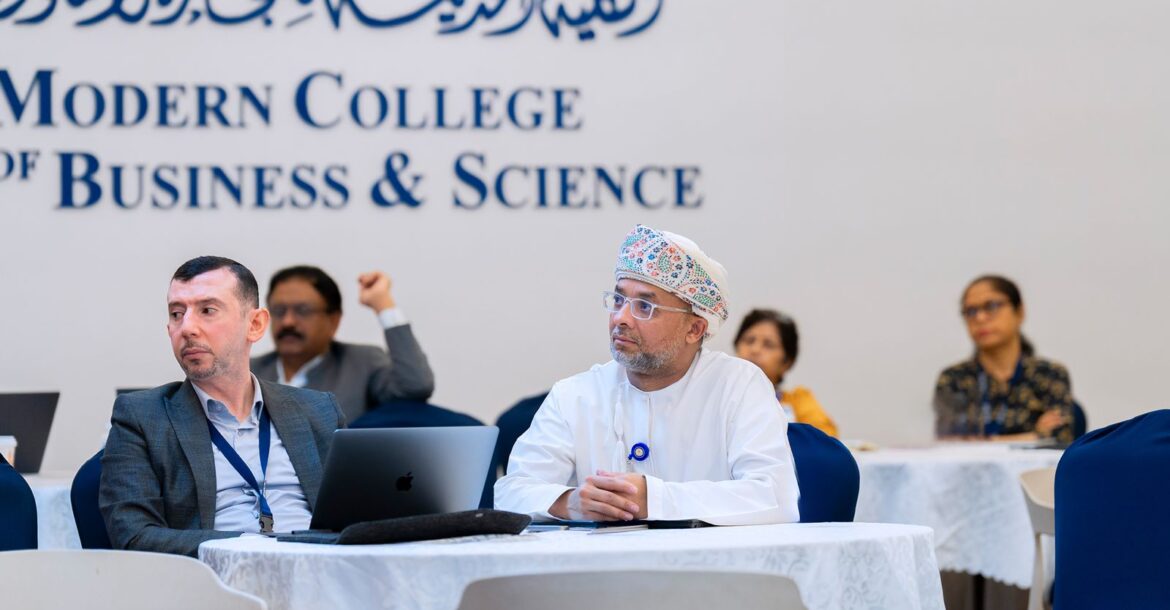

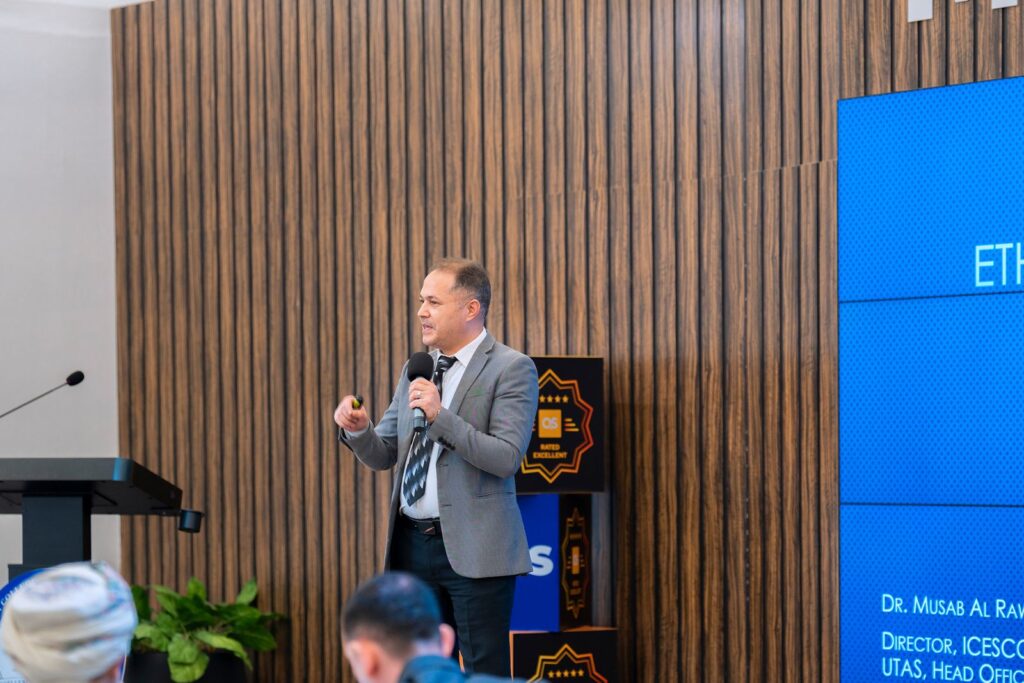
MUSCAT: The University of Technology and Applied Sciences (UTAS) delivered a workshop titled “Ethical Artificial Intelligence in Education and Responsible Innovation”, presented by Dr. Musab Al Rawi, Director of the ICESCO Chair for AI Ethics at the university.
The event took place at the Modern College of Business and Science (MCBS) seminar hall and was organized in collaboration with the college’s Research Ethics and Intellectual Property Committee (REIC). The workshop was attended by faculty members, administrative staff, researchers, and students. The workshop aimed to raise awareness about the responsible use of artificial intelligence technologies, ensure data integrity and algorithmic transparency, and reinforce ethical compliance in educational and research environments.
Read More
- Italy celebrates World Pasta Day 2026 in Muscat with B2B event promoting Italian Pasta and Agri-Food Excellence
- Oman oil price rises 10 cents
- Petroleum Development Oman awards five-year well maintenance rig contracts to Abraj, Shalim Oil
- Oman Cement Company profit surges 68.1% as Duqm expansion remains under study
- Dubai witnesses unprecedented crowds as actor Suriya graces the grand inauguration celebrations of 3 new Malabar Gold & Diamonds showrooms
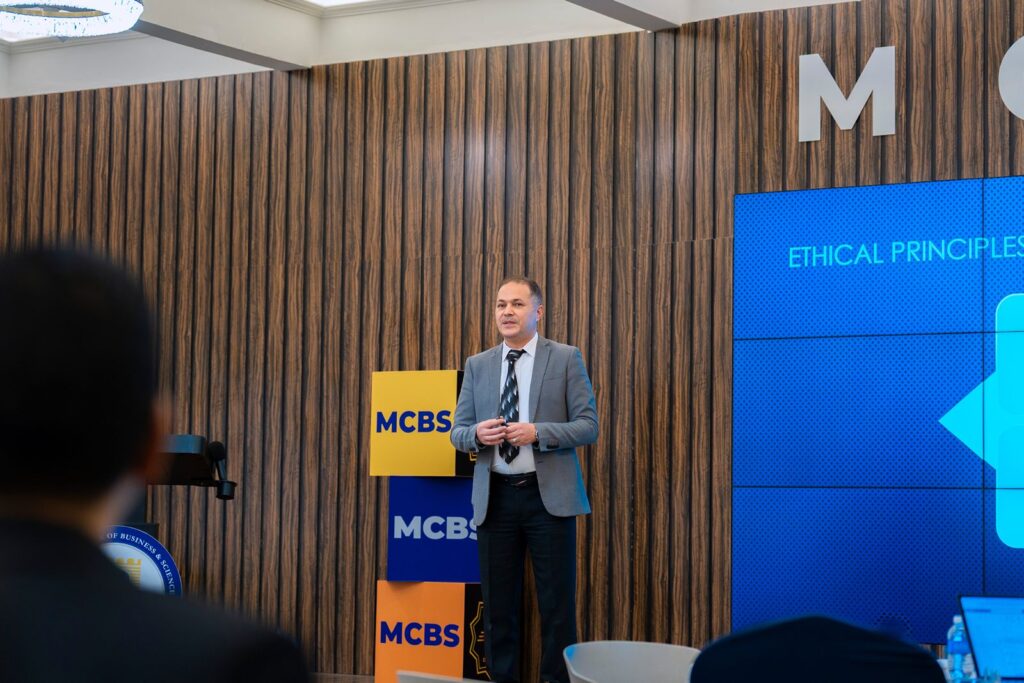
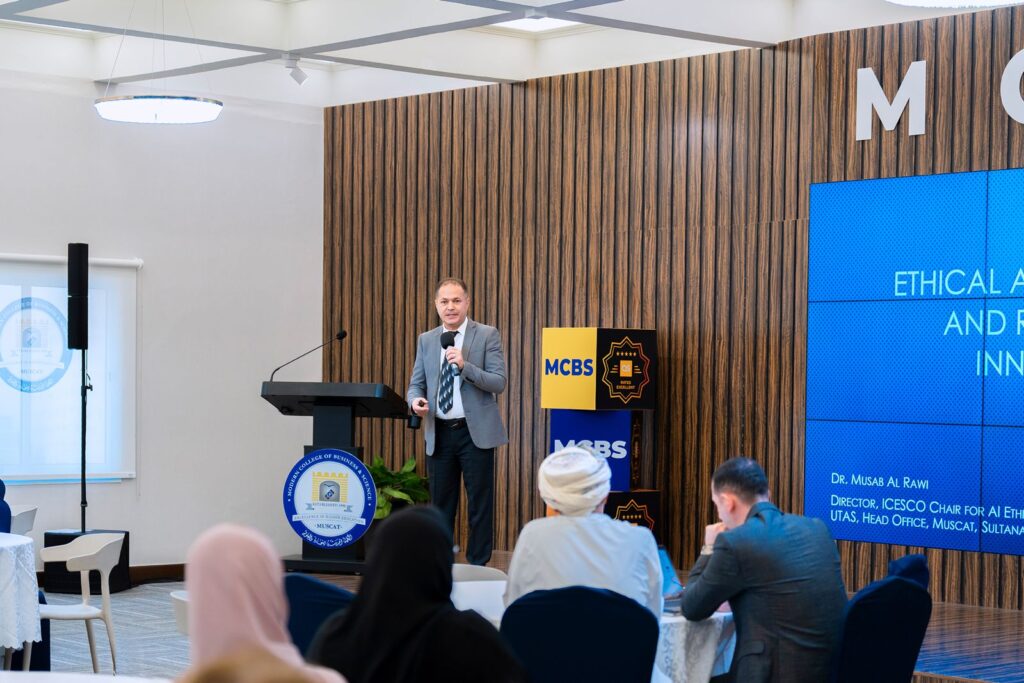
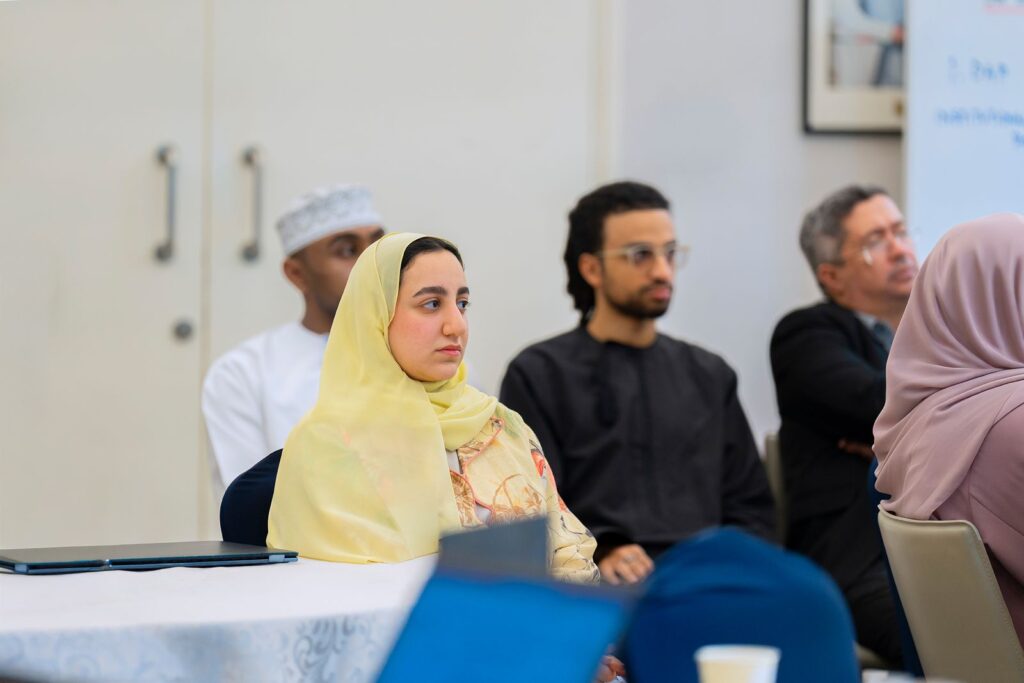
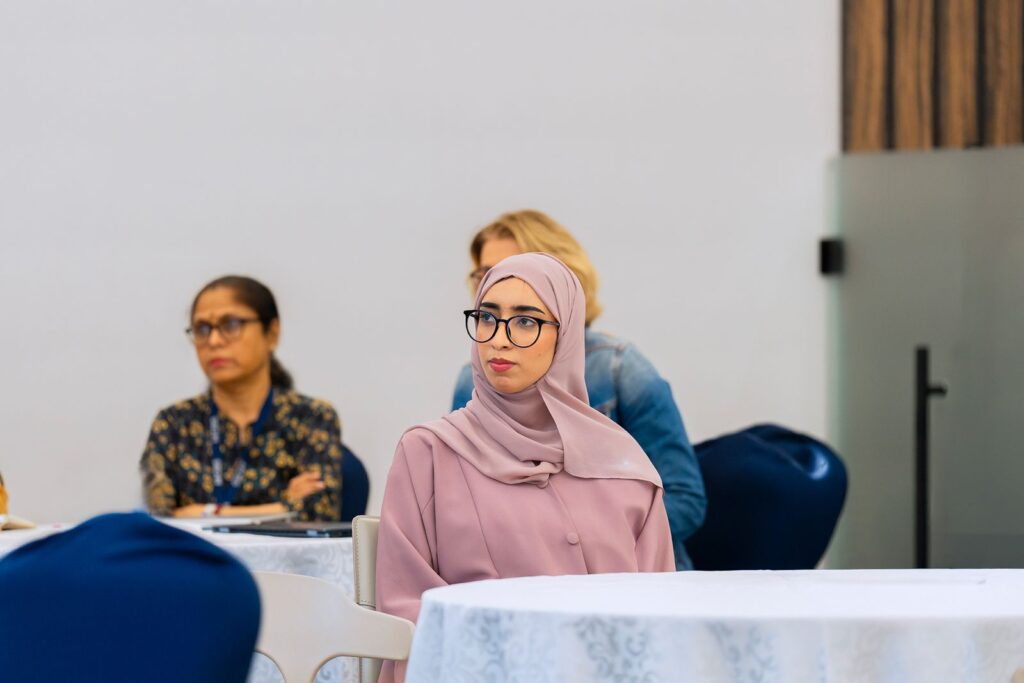
It also sought to deepen understanding of institutional and individual responsibilities in adopting ethical AI practices and to identify best approaches for promoting responsible AI governance within academic institutions. During the session, Dr. Al Rawi addressed several key topics, including the concept of lifelong learning and the role of AI in supporting personalized education. He emphasized that the rapid pace of technological advancement requires continuous learning and adaptability, noting that AI can promote fairness and expand access to education—provided it operates within a framework of ethical values, transparency, and accountability.
The workshop also discussed the issue of bias in AI systems. Dr. Al Rawi presented real-world examples illustrating the impact of algorithmic bias in financial and educational applications, highlighting the importance of using diverse datasets and conducting systematic audits to ensure fairness in automated decision-making.
Participants further explored the topic of trust in intelligent educational systems, such as virtual assistants and chatbots, stressing the need to design systems that upholduser privacy and ensure the credibility of digital interactions.
Another focus of the workshop was the protection of student data in AI-supported learning environments. Dr. Al Rawi underscored the importance of responsible datamanagement, encryption, and adherence to institutional privacy standards. The session also featured an interactive group activity, during which participants drafted a “Code of Ethics for Responsible AI Use,” outlining principles of fairness, transparency, accountability, and inclusivity as guiding standards for ethical practices in education and research.
This workshop, under the ICESCO Chair for AI Ethics at UTAS, reinforced the shared vision between UTAS and MCBS to advance digital transformation throughethical leadership, collaboration, and capacity building in AI research and education.
The session concluded with a collective call to ensure that innovation in artificial intelligence is always guided by integrity, transparency, and human-centred values.





