

MUSCAT – These efforts align with the government’s broader strategy to attract foreign direct investment and support sustainable economic growth.
The government has invested extensively in upgrading infrastructure to support investment across sectors. Key developments include the expansion of ports, road networks, logistics services, and the establishment of free zones. In parallel, legal reforms such as the Public-Private Partnership Law and the Foreign Direct Investment Law have enhanced the regulatory framework, encouraging greater investor confidence.
Read More
- Oman oil price drops by 5.45 US dollars
- Oman’s manufacturing sector targets RO 10.7 billion contribution by 2040
- Asia-Pacific airlines including India may keep fares high despite easing jet fuel prices as demand stays resilient: S&P
- Bank of Beirut to exit Oman after 20 years, depositors given 60 days to settle accounts
- Omantel’s Otech, DeepAstra launch sovereign AI platform in Oman
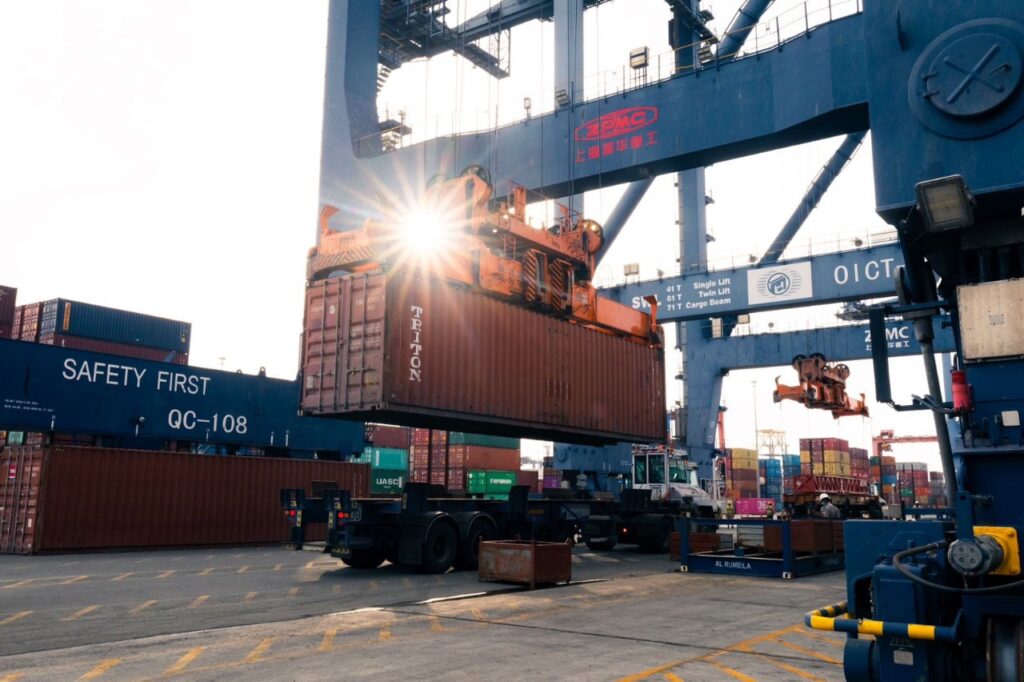

One of the key features of Oman’s investment climate is the ease of technical and administrative procedures. For instance, registering real estate ownership is a relatively straightforward process, with clear guidelines and a partially digitised system that reduces the time needed to issue title deeds. Similarly, building permits, required before launching any construction project, are issued efficiently by local municipalities in coordination with relevant authorities, adhering to international standards like the Doing Business Index.
Oman has also made notable strides in energy and digital infrastructure. The development of a modern electricity network and services such as prepaid meters, along with clearly defined timelines for new connections, has boosted investor confidence. The rollout of 5G networks and the enhancement of digital infrastructure further support business operations and competitiveness.
As part of the nation’s digital transformation, the government launched the Unified Municipal System project to streamline and standardise municipal services across all governorates. The system, which integrates over 300 municipal procedures into a centralised platform, offers around 93 unified e-services. Utilising artificial intelligence and smart city technologies, the project aims to improve service delivery, operational efficiency, and user experience.
Complementing this is the Amlak Platform, a comprehensive digital service for real estate and urban planning. The platform provides 59 core services and 83 supplementary services related to urban planning, real estate development, social housing, and legal transactions.
Environmental regulations have also been modernised, with projects now classified based on their potential impact. Depending on their size and type, developments may require a full environmental impact assessment, a simplified review, or merely an environmental commitment form – ensuring that growth does not come at the expense of sustainability.
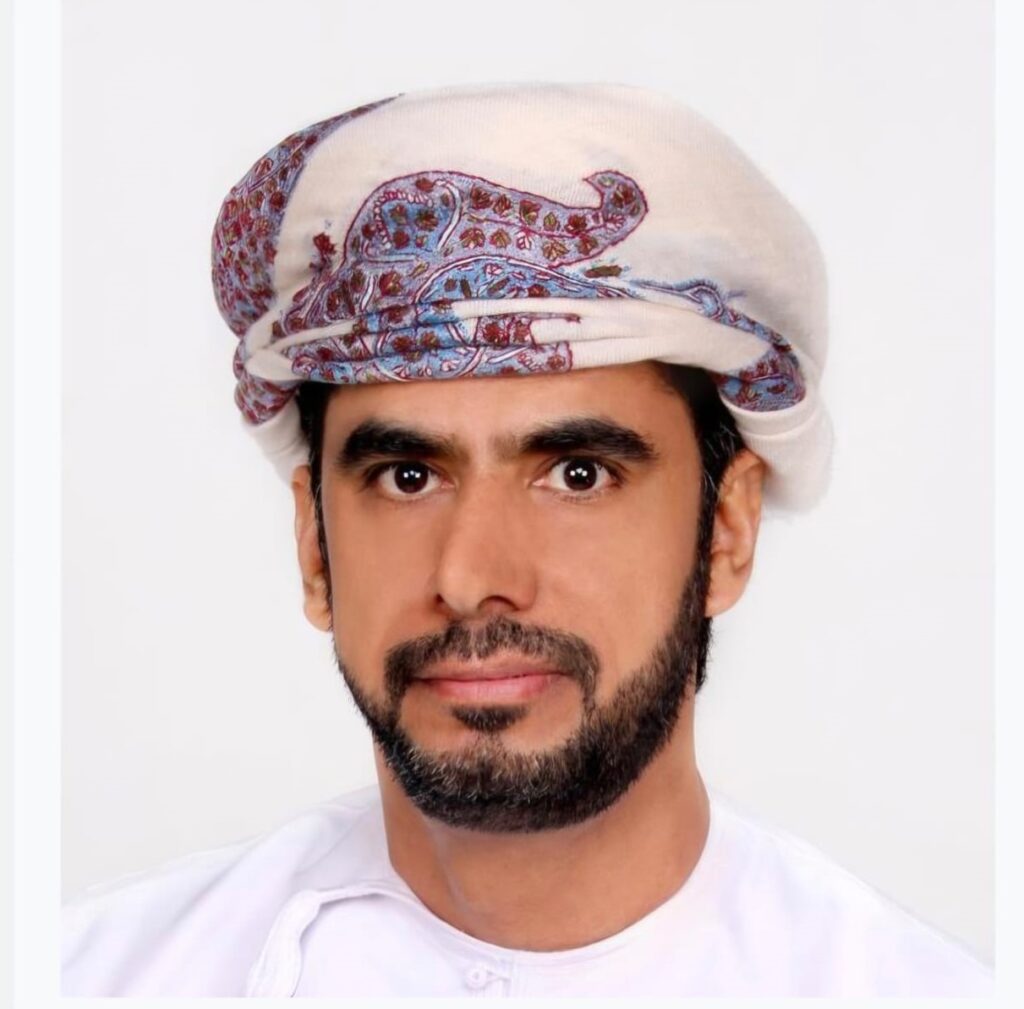
Economic experts have commended Oman’s progress in enhancing the business environment. Dr. Yousef bin Hamad Al Balushi, founder of the Smart Investment Gateway, highlighted that while the country has made tangible progress, the dynamic nature of business means that reform is an ongoing process.
Pointing out that there is ample room for further improvement, Dr. Al Balushi stressed the need for a cultural shift among service providers in government agencies and among investors themselves. He underscored the importance of enhancing local content and job creation for Omani citizens, which requires continuous capacity building and mindset changes across institutions.
Dr. Abdul Salam Faraj Yahya, economic expert at the Oman Chamber of Commerce and Industry and a member of the Omani Economic Association, noted that legislative restructuring – especially the Foreign Direct Investment Law, Public-Private Partnership Law, and Bankruptcy Law – has positively transformed the economic landscape. He also pointed to major government programs such as the Medium-Term Fiscal Balance Plan, the “Nazdar” national initiative, and the Export Support and Promotion Center, all of which have helped improve the investment climate.
These collective efforts have contributed to noticeable improvements in GDP growth, credit ratings, and fiscal health, including a decline in the national budget deficit. The private sector has expanded its role in job creation for Omanis, while foreign direct investment inflows and international trade volumes have seen significant growth.





