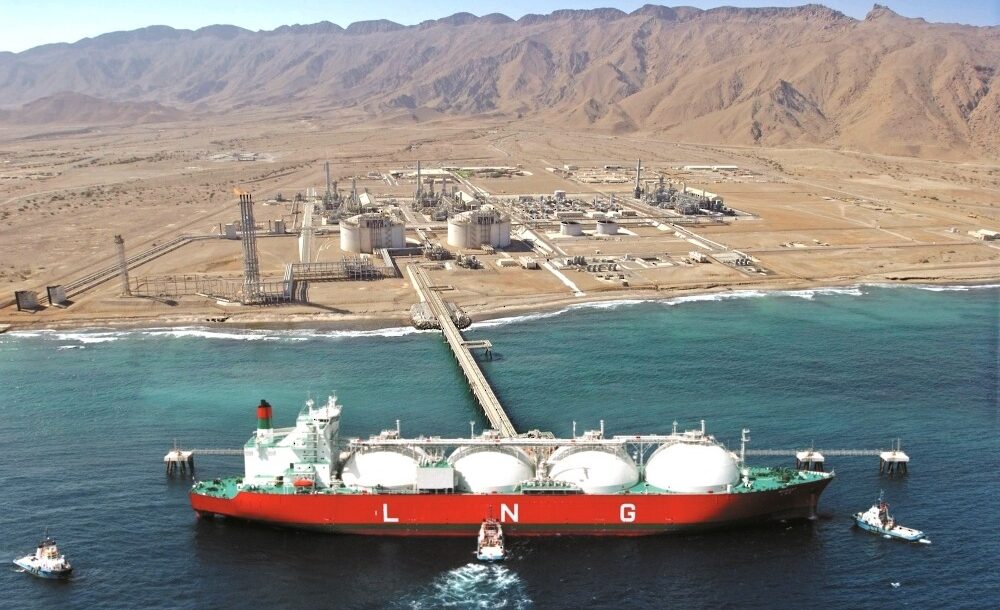

Muscat – In the natural gas sector, reserves reached 658.5 billion cubic meters, while domestic consumption stood at 56.5 billion cubic meters. Liquefied natural gas (LNG) exports totalled 12 million metric tons for the year.
Total electricity production rose to 49.1 terawatt-hours (TWh) in 2024, up from 45.0 TWh in 2023. Natural gas remained the primary energy source, contributing 44.8 TWh. Renewable energy sources provided 2.4 TWh, with solar energy accounting for 2.3 TWh and wind energy for 0.1 TWh. The Ibri 2 solar plant contributed the largest share among renewable sources, generating 1.56 TWh.
Total water production reached 519.7 million cubic meters in 2024, slightly down from 520.4 million cubic meters in 2023 – a marginal decrease of 0.1 percent.
Read More
- Struggling to pay electricity bills? Nama Supply offers flexible payment plans
- Muscat Governorate completes 95 km of internal roads across wilayats in 2026
- His Majesty Sultan Haitham confers Royal Orders on senior officials and leading figures
- Two expats apprehended in Muscat with crystal meth and marijuana
- Oman Customs foils attempt to smuggle crystal meth hidden in vitamin capsules
Muscat Governorate recorded the highest volume of distributed water, at 136.9 million cubic meters, followed by Dhofar Governorate with 52.3 million cubic meters, and North Al Batinah Governorate with 34.3 million cubic meters.
There were 67 wastewater treatment plants operating in the country, with a combined capacity of 147.2 million cubic meters.
According to NCSI data, desalination plants accounted for 89 percent of total water production, while groundwater wells contributed 11 percent, similar to the distribution recorded in the previous year.





