

Muscat – This represents an 8.6 percent increase compared to the RO 283.9 million recorded during the same period in 2024.
According to preliminary data issued by the National Centre for Statistics and Information (NCSI), the total volume of fish landed rose to 467,463 tons by mid-2025, up from 430,466 tons in the first half of 2024, reflecting 8.6 percent year-on-year growth. This performance signals continued sustainable development and rising productivity across Oman’s fisheries sector.
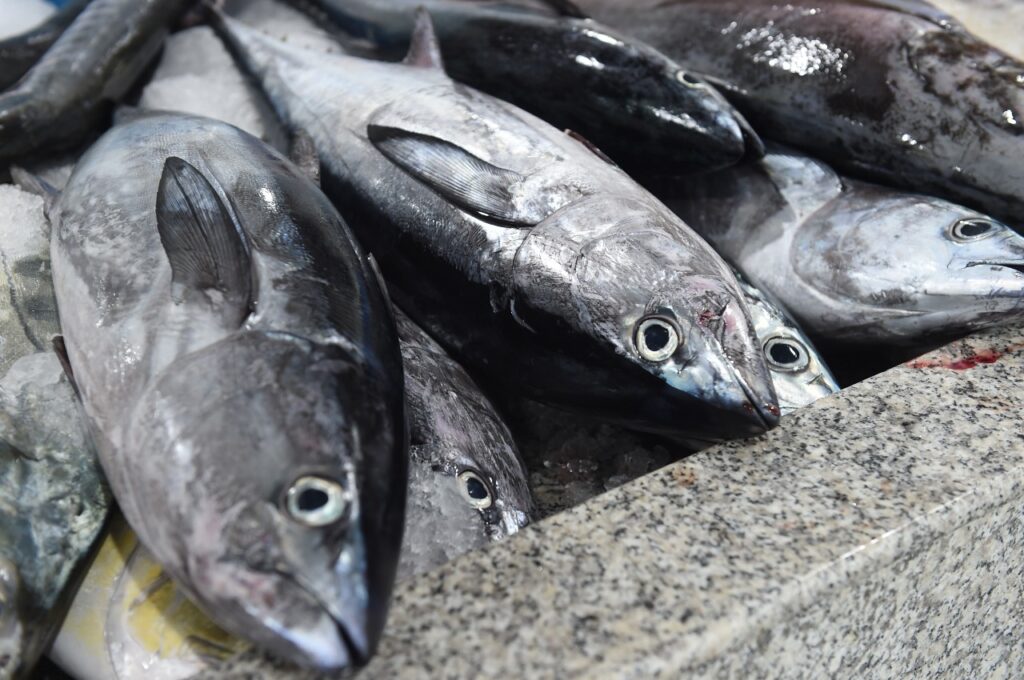
Artisanal fishing contributed the largest share of the total catch, reaching 339,886 tons, an increase of 4.4 percent compared to 325,610 tons during the same period last year. Among governorates, Al Wusta recorded the highest artisanal catch with 124,205 tons, followed by South Al Sharqiyah with 91,512 tons, North and South Al Batinah with 39,278 tons, and Dhofar with 39,094 tons. Musandam Governorate accounted for 28,545 tons, while Muscat Governorate reported 17,253 tons.
Read More
- A taste of Britain comes to Oman! LuLu British Food Week serves up a feast of flavors
- Oman Cables breaks ground on new plant with investment exceeding RO 10 million
- Shariah-compliant United Omani Islamic Fund opens public subscription on October 18
- OQ8, Invest Oman to explore investment and business opportunities at Duqm Now forum
- Roberto’s Muscat welcomes Ilario Prospero as General Manager
Commercial fishing posted the most significant growth, increasing by 59 percent to reach 59,411 tons by June 2025, compared to 37,367 tons in the same period last year. Meanwhile, coastal fishing showed a more modest rise of 1 percent, with total landings of 68,165 tons, up from 67,490 tons in 2024.
Small pelagic fish made up the largest share of artisanal landings, totalling 158,705 tons, followed by large pelagic fish at 114,966 tons, and demersal fish at 53,777 tons. Additionally, the data recorded 3,591 tons of shark, 1,675 tons of crustaceans and molluscs, and 7,172 tons of other unclassified fish.





