As Bharat celebrates its 79th Independence Day on 15 August 2025, it stands at the cusp of a transformative era. “Amrit Kaal” — a golden age of progress — with a resolute vision to emerge as a Viksit Bharat (Developed India), is propelled by an extraordinary pace of development. This dynamic growth is underpinned by policies that place the highest priority on the welfare of the poor, middle class, youth, women, and farmers. This collective march toward Viksit Bharat is built on four foundational principles: service, good governance, prosperity, and pride. It is encapsulated in the guiding mantra — Sabka Saath, Sabka Vikas, Sabka Vishwas, Sabka Prayas (Together with all, Development for all, Trust of all, Efforts of all). Governance, underpinned by the “Reform, Perform, Transform” mantra, is streamlining lives through initiatives like Vivad se Vishwas (From Dispute to Trust) and the simplification of over forty thousand regulations.
As India approaches the historic milestone of its 100th year of independence in 2047, Prime Minister Narendra Modi has laid out a vision that seeks to define the country’s journey into the next century. It’s a vision not just anchored in economic ambitions, but one that reflects the aspirations of 1.4 billion Indians. Prime Minister has outlined a roadmap to transform India into a developed, self-reliant, and globally respected nation, powered by economic strength, innovation, and inclusive growth. The long-term vision is built around five key pillars: a robust economy, technological advancement, industrial leadership, environmental sustainability, and inclusive development. Each of these threads is tightly woven with the idea of Atmanirbhar Bharat — a self-reliant India.
With over 65% of its population under 35, India has a large youthful workforce, presenting both a challenge and an opportunity. This demographic advantage offers the potential to accelerate economic growth, enhance productivity, and establish India as a global talent hub. The opportunity is even more significant for India, as its demographic peak is expected to last until 2055, providing a window to implement its strategic policies. India’s demographic dividend presents a transformative opportunity to drive economic growth, innovation, and global influence. With a working-age population expected to reach one billion by 2047, this demographic advantage will define India’s economic trajectory for decades to come.
Read More
- Three expats arrested in Muscat’s Seeb with over 166,000 psychotropic tablets
- Viksit Bharat 2047: India’s roadmap to becoming a developed nation
- India’s space sector emerges as a new engine for global partnerships
- India strengthens its role as a trusted global first responder
- India’s citizen-centric diplomacy revolutionises welfare and support for overseas diaspora
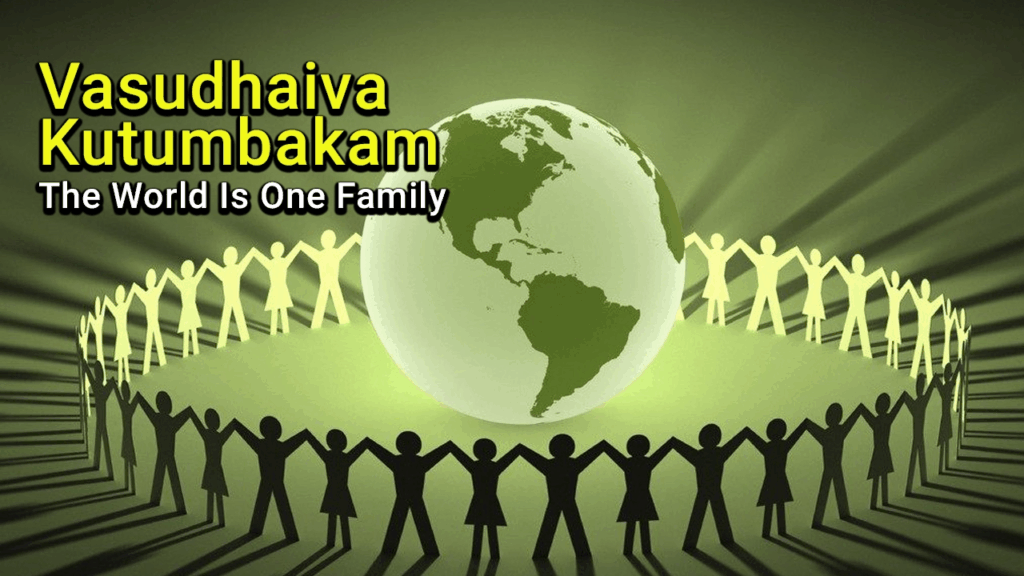
Programmes like the Aspirational Districts Programme and i-GOT Karmayogi digital platform exemplify this efficient, people-centric model. A major aspect of transformations that are laying the foundation for a ‘Viksit Bharat’ is Bharat’s infrastructure spanning social, physical, and digital realms. More than 40 million houses for the poor, over 120 million tap water connections, LPG supply to every household, thousands of kilometres of new roads, new highways, new rail lines, airports in smaller cities, and internet access reaching every home and village — all of this modern infrastructure is reaching nooks and corners of the vast territory of India. Whether it’s Bharat’s factories or our fields and farms — work is happening everywhere with one clear resolution: to make Bharat a developed nation by 2047. Our path is: Empowerment through development, self-reliance through employment, and good governance through sensitivity in the approach of governance. Today, Bharat has a clear policy and a stable polity. Guided by Sardar Patel’s “Nation First” philosophy, Bharat has fortified its borders and internal security. Indigenous warships and submarines have strengthened naval capabilities. On the world stage, Bharat stands as a beacon of stability, earning trust through its leadership at the G20 Summit and remaining at forefront in providing swift humanitarian aid to disaster-hit regions and being first responder in times of crisis in the neighbourhood . At the heart of Bharat’s approach lies its ancient philosophy of ‘Vasudhaiva Kutumbakam’—the idea that the world is one family.





