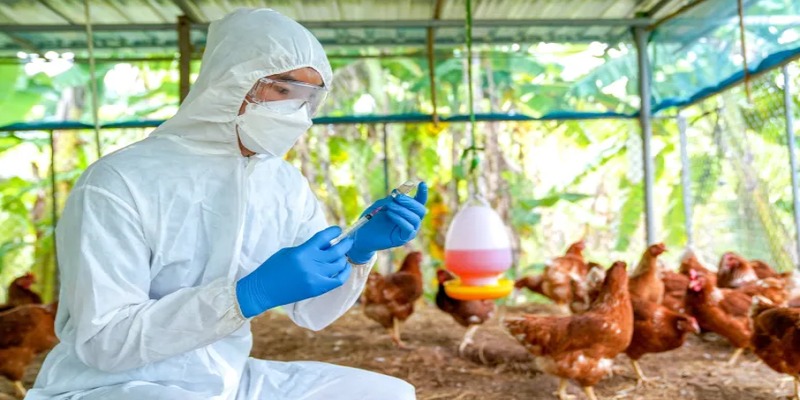

NEW YORK – According to the assessment, the risk of human infection, particularly among individuals frequently exposed to the virus through their work, such as in poultry farming, ranges from low to moderate. This depends on factors such as hygiene practices, risk mitigation measures in place, and the local epidemiological status of avian influenza.
The three organizations noted that while animal-to-animal transmission is increasing, transmission to humans remains limited. However, they cautioned that this assessment may change as new epidemiological or virological data emerge.
They further stated that although additional human infections are expected to occur linked to exposure to infected animals or contaminated environments, the overall impact of these infections on global public health at the present time is considered minor.
Read More
- Hamas accepts US-backed roadmap to disarm and exit Gaza governance
- Germany records nearly 10,000 heat-related deaths this year
- US military completes two-hour strikes on dozens of IRGC targets in Iran
- Russia charges Telegram founder Pavel Durov with ‘facilitating terrorism’, issues international arrest warrant
- Meta, BlackRock partner to build USD 14 billion Texas data center campus





