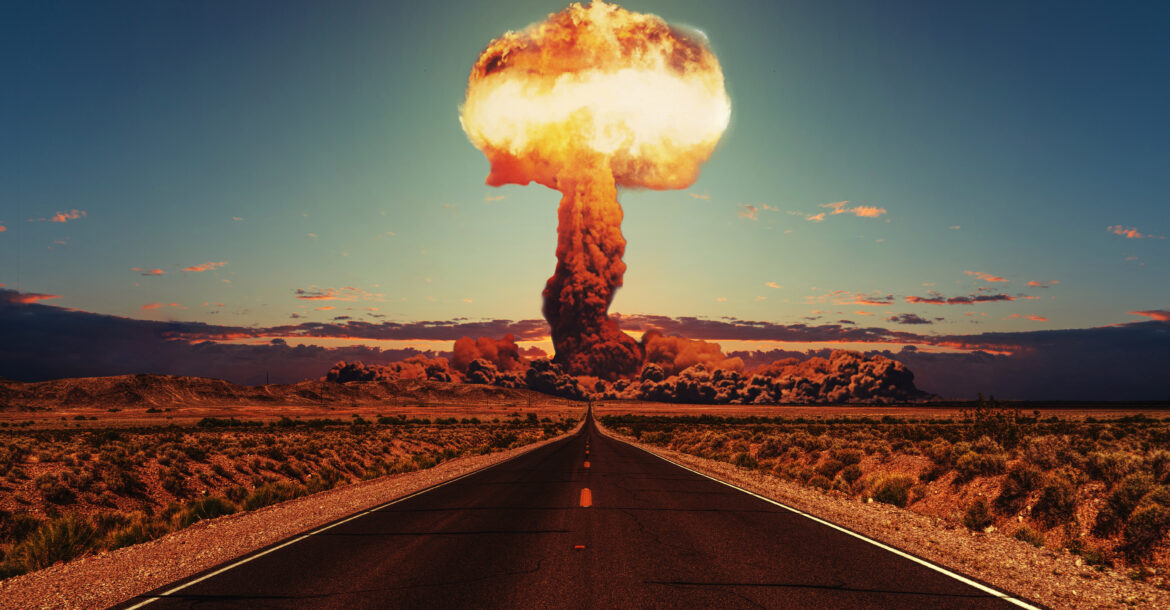

Why the renewed chatter about nuclear war?
In recent weeks, Israel launched airstrikes on multiple Iranian nuclear and military sites—Natanz, Fordow, and Isfahan—prompting retaliatory missile and drone strikes from Iran.
The recently released SIPRI Yearbook (June 2025) warns of a “dangerous new nuclear arms race” unfolding while disarmament agreements weaken. Meanwhile, the Bulletin of the Atomic Scientists’ Doomsday Clock now stands at 89 seconds to midnight, the closest it’s ever been—owing largely to nuclear threats and unstable politics
Read More
- Kuwait intercepts drones as IRGC claims strike on US base
- Hamas accepts US-backed roadmap to disarm and exit Gaza governance
- Germany records nearly 10,000 heat-related deaths this year
- US military completes two-hour strikes on dozens of IRGC targets in Iran
- Russia charges Telegram founder Pavel Durov with ‘facilitating terrorism’, issues international arrest warrant
While the situation is undeniably serious, today’s experts urge action-over-alarm.
Let’s start with what makes these weapons so chilling. Within 10 seconds of detonation, a nuclear fireball reaches maximum size, releasing an unthinkable mix of heat, blast, and radiation. Anyone close to the explosion is likely to be killed instantly. But the destruction doesn’t stop there. Buildings collapse. Fires ignite. Even underground shelters may not offer safety, with smoke and carbon monoxide threatening those inside.
Then come the long-term consequences. Ionizing radiation can linger for decades. Fallout spreads on the wind, contaminating soil and water. Survivors may face cancer, genetic mutations, and chronic illnesses. Alarmingly, tests from the mid-20th century are still expected to cause 2.4 million premature deaths from cancer globally.
But the impact doesn’t stop with health. A full-scale nuclear war could disrupt the global climate, triggering what experts call a “nuclear winter.” Crops would fail. Famine could affect up to two billion people. Economically, the burden is immense: money spent on nuclear programs is money not spent on hospitals, schools, or climate solutions.
So what can we do?
The emergency authorities across the globe have a straightforward mantra: Go in. Stay in. Tune in.
If you’re near a radiation emergency, head indoors immediately. Thick walls—especially in basements or concrete buildings—can dramatically reduce exposure. Shut all doors, windows, and vents. Turn off anything that brings in outside air, and stay put.
Next, stay tuned. Listen to official sources, the radio, or emergency apps for updates. These broadcasts will advise you when it’s safe to evacuate or if you need to take further steps, such as decontamination.
If exposure is suspected, removing your outer clothing can eliminate up to 90% of radioactive material. Shower with soap and water if possible—or use a clean cloth to wipe down exposed skin. And don’t forget pets: they need a scrub, too.
Radiation emergencies are rare, but being prepared for one is not alarmist—it’s smart. Assemble a kit, make a family communication plan, and identify safe spots in your home and community. Remember: the threat is real, but your ability to respond effectively is just as real.
In a world where nuclear capabilities remain part of political arsenals, awareness is power. Let’s not dwell in fear—but let’s not live in denial either.
Because when it comes to fallout, being informed is your best form of shelter.





