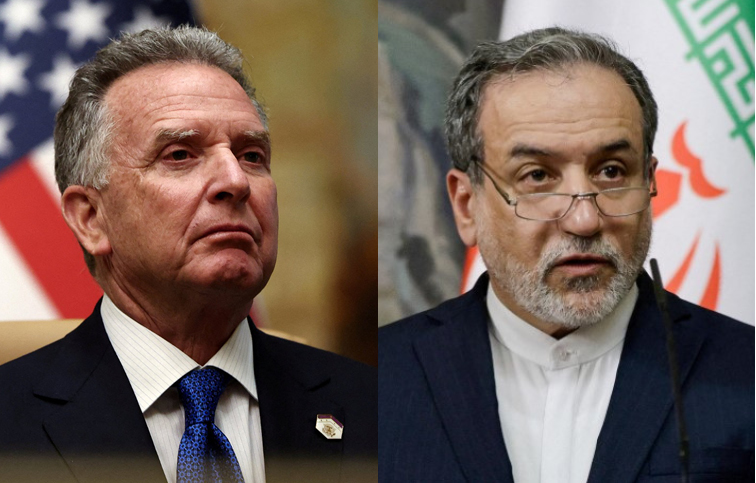

Tehran: According to three diplomats who spoke to Reuters on condition of anonymity due to the sensitivity of the discussions, the talks mark the most substantial direct contact between Washington and Tehran since indirect negotiations began earlier this year.
The conversations, which reportedly took place after Israel began its military operations on June 13, focused on finding a diplomatic off-ramp to the unfolding crisis. Tehran, however, has made it clear: there will be no return to nuclear negotiations unless Israel halts its ongoing airstrikes.
During the calls, Araqchi reaffirmed that Iran remains unwilling to resume formal nuclear talks while under attack. However, a regional diplomat close to the Iranian side said Araqchi hinted at possible flexibility on the nuclear file — but only if the U.S. puts pressure on Israel to cease hostilities.
Read More
- Kuwait intercepts drones as IRGC claims strike on US base
- Hamas accepts US-backed roadmap to disarm and exit Gaza governance
- Germany records nearly 10,000 heat-related deaths this year
- US military completes two-hour strikes on dozens of IRGC targets in Iran
- Russia charges Telegram founder Pavel Durov with ‘facilitating terrorism’, issues international arrest warrant
The talks also revisited a U.S. proposal made in late May, which suggested forming a regional consortium to enrich uranium outside Iran — an offer that has so far been met with rejection from Tehran. The diplomats indicated that the idea was briefly discussed but no breakthrough was achieved.
A European diplomat familiar with the matter confirmed that Araqchi told Witkoff Iran was open to returning to the negotiation table, but emphasized that continued Israeli aggression made such dialogue impossible at present.
Neither U.S. nor Iranian officials have publicly commented on the matter. The recent outreach follows limited face-to-face interactions between the two officials in Oman and Italy in April, where they exchanged only brief words following indirect sessions.





