
WASHINGTON : The mission, which also features astronauts from Poland and Hungary, marks a historic leap in international collaboration and scientific research in space.
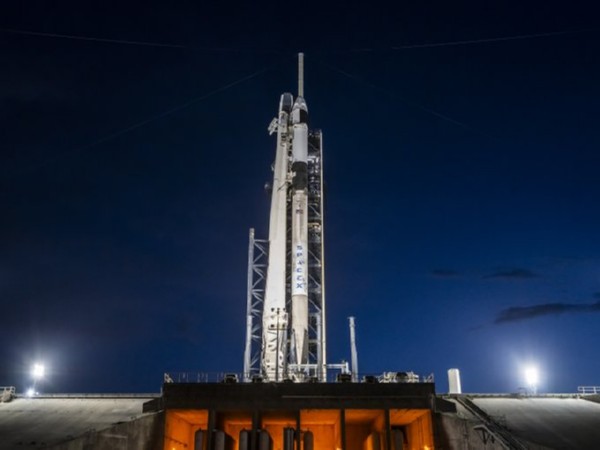
SpaceX has announced a delay in the launch of the Falcon 9 rocket for the Ax-4 mission, originally scheduled for June 11, 2025. The company cited the need for more time to repair a liquid oxygen (LOx) leak identified during post-static fire inspections of the booster stage.
The Indian Space Research Organisation (ISRO) subsequently confirmed the delay, emphasizing safety protocols during booster validation. A seven-second hot test on the launch pad led to the detection of the leak. “Based on discussions between ISRO, Axiom, and SpaceX experts, the decision was made to correct the leak and conduct further validation tests before proceeding,” said ISRO Chairman V. Narayanan in an official statement.
Read More
- Trump says he is ‘losing faith’ in Iran as nuclear talks continue
- Heavy rain batters India’s Kerala, killing at least four
- Keralam: Pathanamthitta gets 300 mm+ rainfall in 2 hours, administration on alert
- Macron thanks Australia, Lithuania for aid in combating wildfire in France
- Kuwait intercepts drones as IRGC claims strike on US base
Despite the setback, the Ax-4 mission holds historic weight. It features Group Captain Shubhanshu Shukla as India’s first Gaganyatri aboard the ISS and the country’s second national astronaut since Rakesh Sharma in 1984. The mission also includes Slawosz Uznanski from Poland and Tibor Kapu from Hungary—both marking only the second time their respective nations send astronauts into space, and the first time aboard the ISS.
Commanded by veteran NASA astronaut Peggy Whitson, Ax-4 is Axiom Space’s fourth private astronaut mission and the second involving government-sponsored astronauts. The crew’s collective milestone represents more than 40 years since each of their countries last undertook a human spaceflight.
The Ax-4 mission aims to conduct nearly 60 scientific experiments from 31 countries, with research portfolios led by the US, India, Poland, and Hungary. Studies will span human physiology, Earth observation, and materials science, among other disciplines—underscoring the growing relevance of international collaboration in low-Earth orbit research.
For all the latest news from Oman and GCC, follow us on Twitter, Instagram and LinkedIn, like us on Facebook and subscribe to our YouTube page, which is updated daily.





