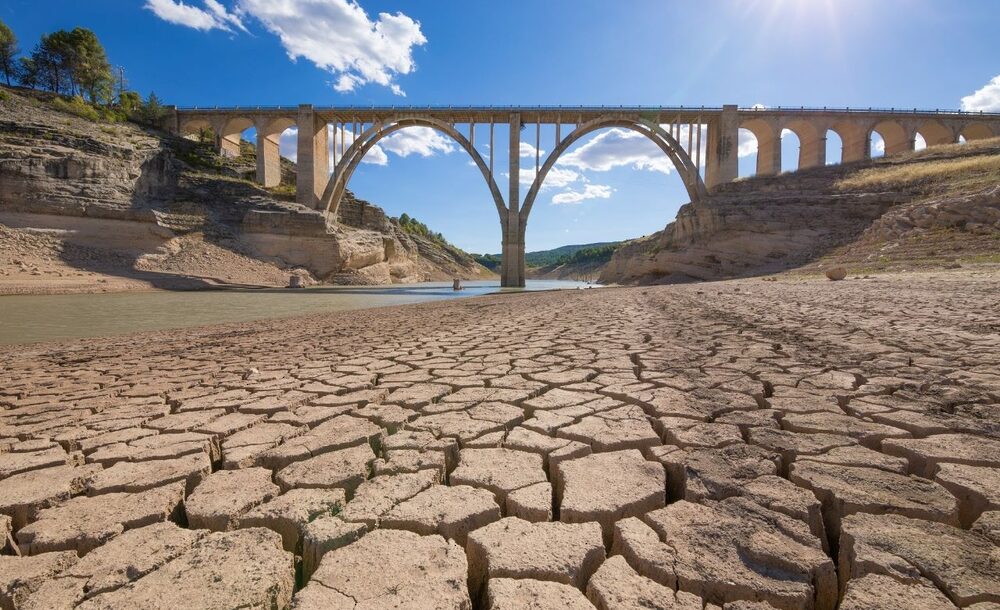

Paris: Between May 11 and 20, the European Drought Observatory reported a staggering rise in soil moisture deficiency across the continent, with over half of monitored soil types impacted. The figure is more than 20 percentage points above the 12-year average of 30% for the same period.
The data, based on the Copernicus Drought Index—which factors in rainfall, soil moisture, and vegetation health—showed that 42% of soil types were at the “warning” level and 5% had reached the “alert” level, indicating abnormal vegetation growth.
The most affected areas were in Northern, Eastern, and Central Europe. Ukraine led the alert level rankings at 19%, followed by Belarus (17%), Poland (10%), and Hungary and Slovakia (9%). Meanwhile, in the southern Mediterranean, Syria, Cyprus, and Palestine recorded drought alert levels exceeding 20%.
Read More
- Trump says he is ‘losing faith’ in Iran as nuclear talks continue
- Heavy rain batters India’s Kerala, killing at least four
- Keralam: Pathanamthitta gets 300 mm+ rainfall in 2 hours, administration on alert
- Macron thanks Australia, Lithuania for aid in combating wildfire in France
- Kuwait intercepts drones as IRGC claims strike on US base
The escalating drought conditions have not only raised environmental concerns but economic alarms as well. On May 23, the European Central Bank warned that persistent drought and extreme weather could threaten up to 15% of eurozone economic output, underlining the increasing economic risks posed by climate change.





