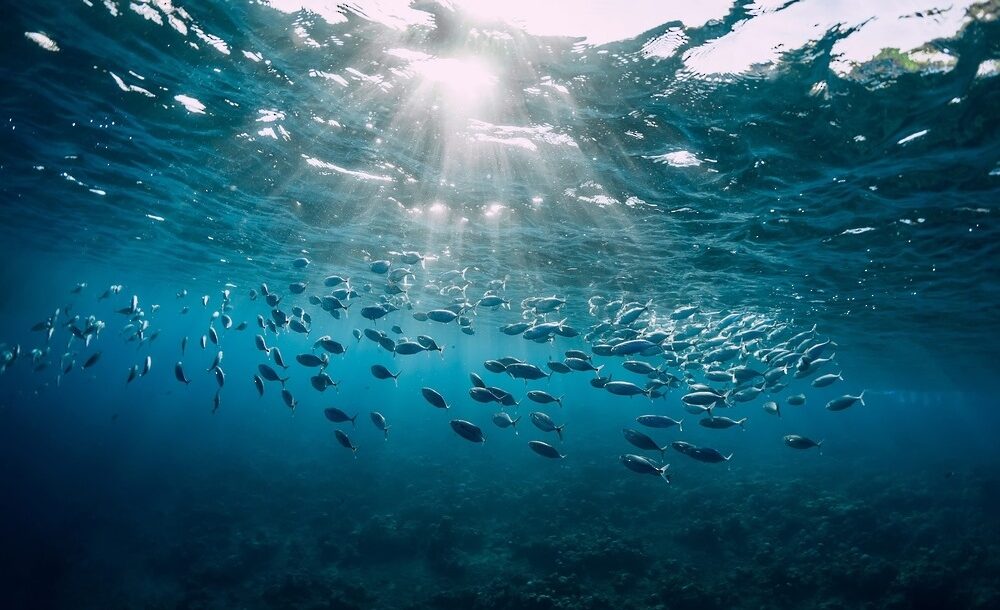

NEW YORK: Co-hosted by Costa Rica and scheduled before mid-June, the summit aims to bring together governments, scientists, civil society, and the private sector to chart a sustainable path forward for marine ecosystems.
With Earth’s oceans facing what the UN describes as a “state of emergency,” the Nice conference seeks to raise the funding and political momentum needed to curb the mounting crises — from warming seas and acidification to plastic pollution and resource overexploitation.
“Our planet’s oceans, our planet’s life-support system, are in a state of emergency,” said UN Under-Secretary-General for Economic and Social Affairs, Li Junhua, during a pre-conference press briefing. He pointed to “overwhelming” evidence including habitat loss, rising temperatures, and suffocating marine life as urgent calls to action — but insisted that the tide can still be turned “if we work together.”
Read More
- Cyclone Murasu makes landfall in India’s Andhra Pradesh, thousands evacuated
- “Another milestone in India’s space journey”: MEA congratulates ISRO on GSLV-F18 launch
- Air India gets DGCA approval for flying academy in Maharashtra
- Nine dead, five injured after oxygen cylinder explodes inside ambulance in Pakistan
- Cyclone Arnab kills three in eastern India
The conference will host ten high-level panels delving into ocean-based economies, sustainable fisheries, marine biodiversity, pollution control, and the impact of climate change. The aim is to develop a blueprint to achieve Sustainable Development Goal 14 — conserving and sustainably using the oceans, seas, and marine resources.
Costa Rica’s Ambassador to the UN, Maritsa Chan Valverde, emphasized the need for swift and collaborative efforts. “Accelerating action means reducing the decision-making period from years to months,” she said, urging the engagement of all 193 UN member states, over 1,000 cities, and more than 500 companies.
France’s Ambassador to the United Nations, Jérôme Bonnafont, said his country’s priorities for the conference include securing 60 ratifications of the Convention on the Protection of Biological Diversity of the High Seas, adopted in March 2023, so that it can enter into force. The treaty’s mandate includes ensuring sustainable fishing, mobilizing support for the protection and conservation of at least 30% of ocean waters, combating plastic pollution, accelerating decarbonization of shipping, and mobilizing financing.





