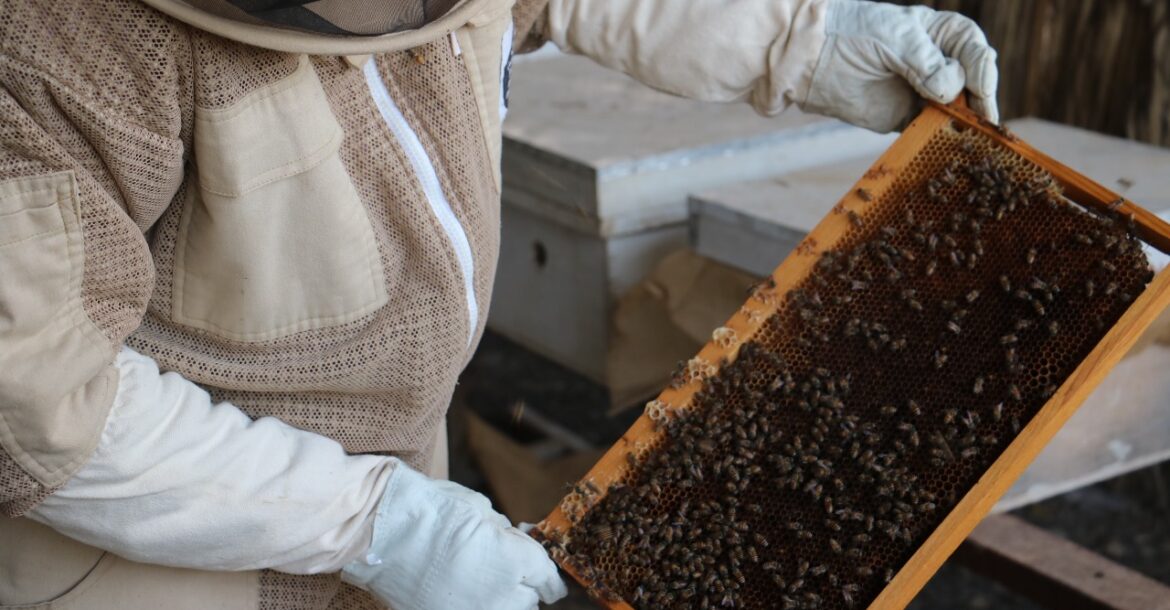

MUSCAT : The growing interest in Sidr and Samr honey is not only sustaining livelihoods but also contributing significantly to the local economy and national self-sufficiency.
According to Mohammed bin Harib Al Bahlani, Director of the Department of Agricultural Wealth and Water Resources in Manah, honey collection has become a vital profession in the region, providing income for many families and boosting Oman’s economy.
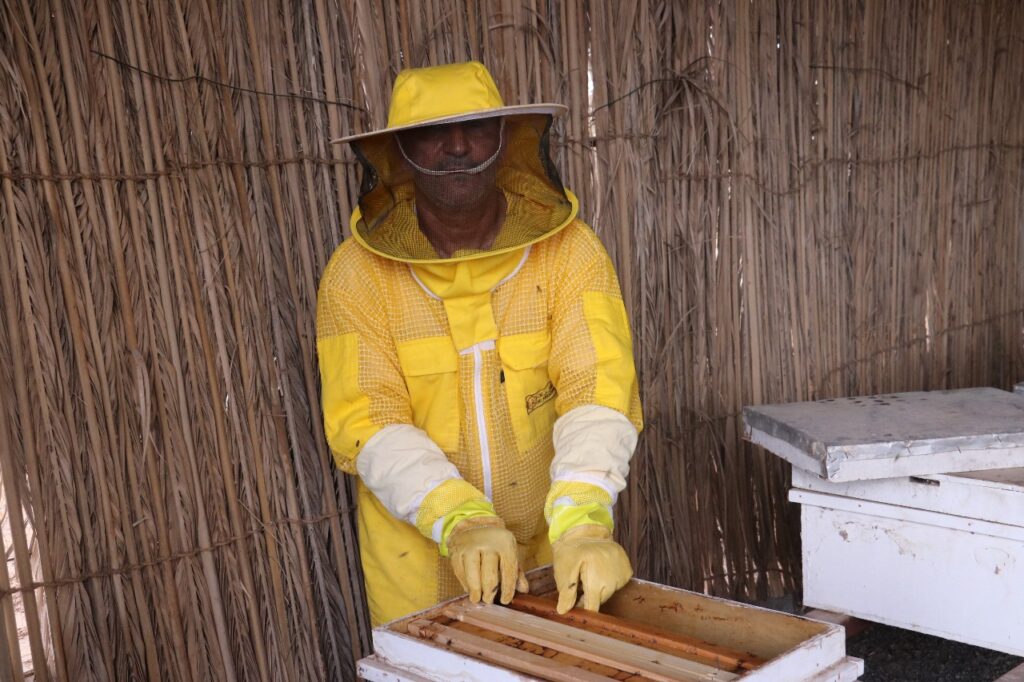
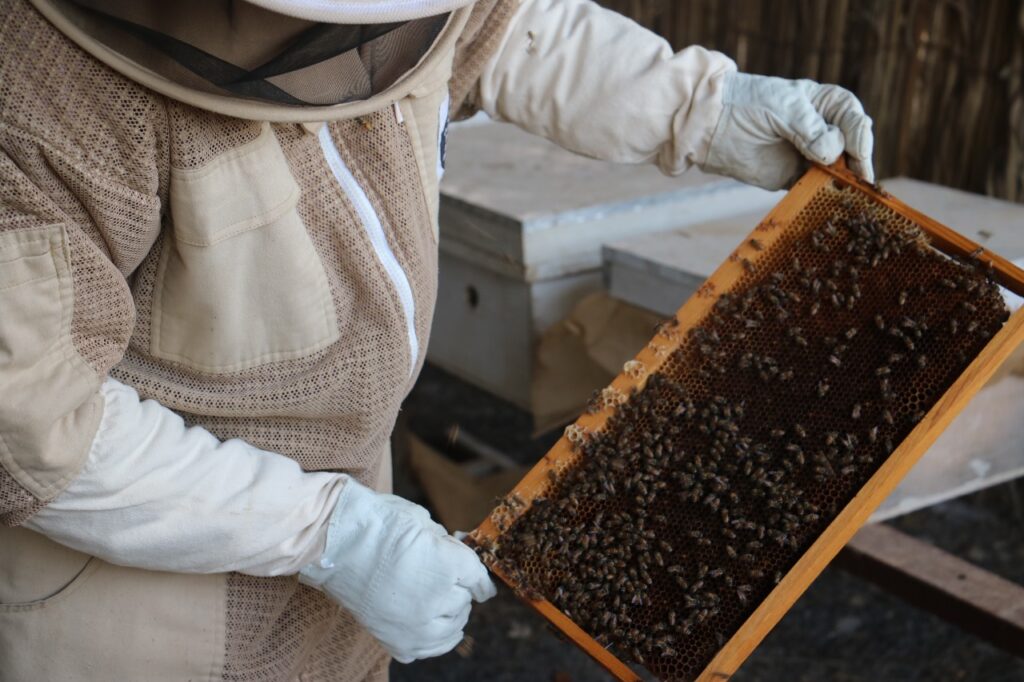
The Ministry of Agriculture, Fisheries and Water Resources continues to back the honeybee sector under its national program by training beekeepers, modernizing practices, and promoting year-round availability of quality honey. This includes technical support, tools, and awareness programs, even at the school level.
Read More
- Oman’s Musandam seeks tourism relief, studies new port in Khasab
- Crude oil spill reported after tanker overturns in Oman’s Al Dhahirah
- Invest Oman secures RO 3.09 billion in projects as investment drive gathers pace
- Institutions with high energy use must appoint efficiency officers, Oman ministry says
- Oman eyes deeper China investment ties as bilateral trade reaches RO 9.6 billion
This season saw a notable surge in samr honey output due to favorable environmental conditions—abundant pastures and minimal hive diseases—leading to higher yields and lower consumer prices.
Veteran beekeeper Nasser bin Hamoud Al Busaidi, who began collecting honey 40 years ago, shared his journey of moving hives through valleys and mountains before establishing a permanent apiary in Manah. Now, he markets his produce online and plans to expand into Harmal honey bee cultivation soon.
Al Busaidi also highlighted regional variations in honey flavor due to climate differences, especially between humid coastal areas and drier interiors. Despite the cost of transporting hives during dry seasons, the practice remains profitable and promising—particularly with improved marketing and youth participation.
Across Al Dakhiliyah, there are approximately 1,639 registered beekeepers. Last year’s honey production stood at 168 tons, a figure expected to rise further by the end of this season.
For all the latest news from Oman and GCC, follow us on Twitter, Instagram and LinkedIn, like us on Facebook and subscribe to our YouTube page, which is updated daily.





