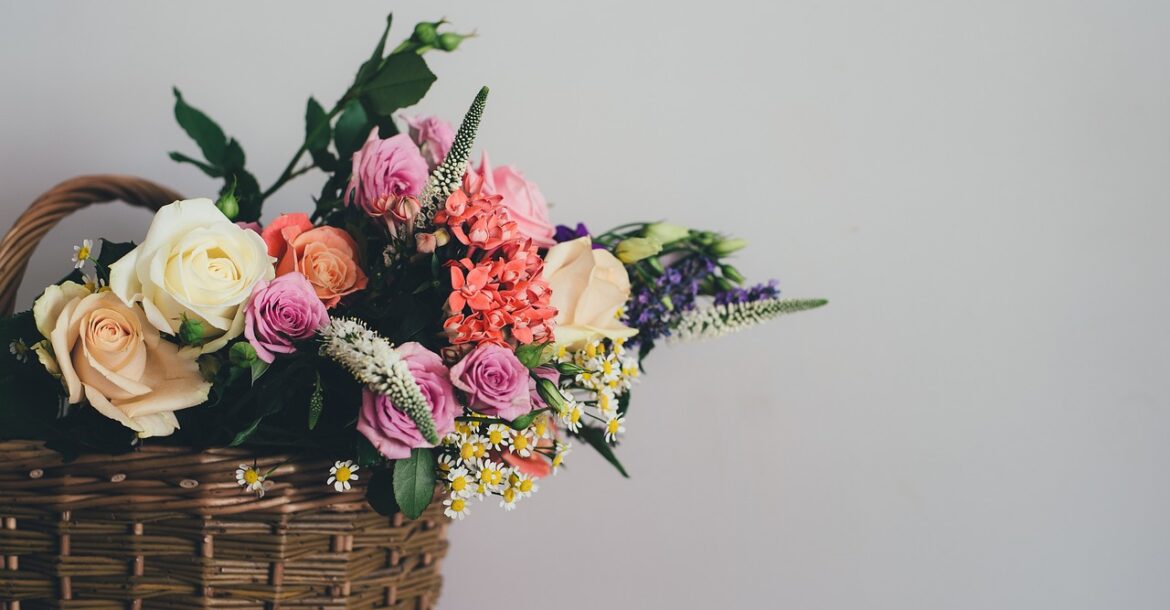

Although there are other schools, Ikenobo, Sogetsu, and Ohara are the most well-known. Depending on the school and the type of plants and vase used, there are also variations in style.
Schools & Origin
In the fifteenth century, Ikenobo Senkei, a Buddhist priest, established Ikenobo, the earliest school of ikebana. The rikka (standing flowers) style is credited to him. With seven branches that symbolise hills, waterfalls, valleys, and other natural features organised in a structured manner, this style was created as a Buddhist representation of the beauty of nature.
Read More
- From Runway to TikTok: How social media is changing the way fashion trends take off
- Maximalism Takeover: Why statement jewellery and loud heritage prints are outpacing quiet luxury in the Gulf
- Rest or avoiding reality? How Gen Z’s ‘Bed Rotting’ trend uncovers a global mental health crisis
- Here is why bedazzling is taking over your social media feed and has now made its way to Middle East
- How much sunlight is enough? Experts warn against overexposure
Ikenobo Sen’ei is now the school’s 45th generation head.
Ikebana
Interest in Ikebana increased significantly in the 1930s and the postwar era.
The two main styles of Ikebana are the nageire tall vase style and the moribana shallow vase type. For every style, the Sogetsu school employs a set of kakei (patterns) that enable even the novice to construct their own arrangements swiftly.
Shushi
The three primary branches of shushi are the hikae (moderating), soe (supporting), and shin (truth) branches. A kakeizu is a simple schematic that shows how these branches are arranged along with the kenzan, or spiky metal holder.A frontal and above perspective of the arrangement is displayed in the kakeizu. Suitable branches or blossoms are selected for the shushi after the kakeizu has been examined, and if needed, they are trimmed. Using a predetermined formula, the stems are trimmed to the proper lengths. The vase is filled with water, and the kenzan is set within.
In accordance with the kakeizu, the sushi is arranged on the kenzan. Small extra stems called jushi are added to provide depth to the arrangement and sustain the shushi. Lastly, any last touches are added, and the composition is reviewed.





