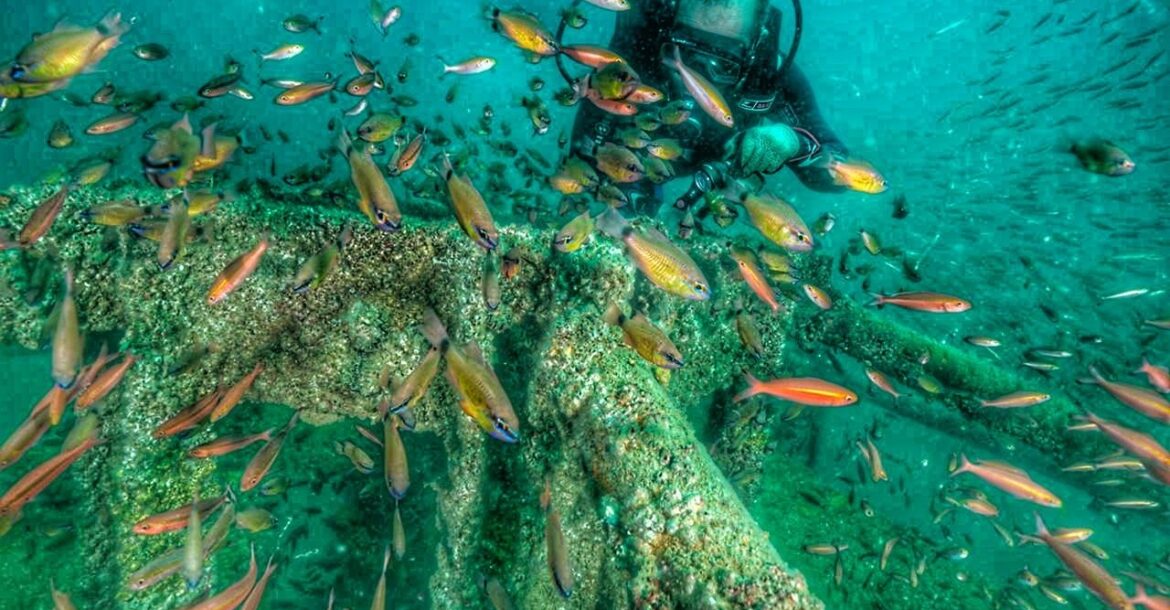

Muscat – Stretching 20 kilometres along the coastline and 7 kilometres wide, this underwater ecosystem lies 4 nautical miles from the beach and is situated at depths of 15 to 30 meters below sea level. It boasts a diverse array of coral species, coral grasses, and various marine life, providing a thriving habitat for numerous aquatic creatures.
Eng. Abdullah bin Mohammed Al Hadabi, Director General of the Directorate General of Agricultural, Fisheries and Water Resources in North Al Batinah Governorate, told Oman News Agency that the coral farm in Suwaiq is a key project implemented by the Ministry of Agriculture, Fisheries and Water Resources. Launched in December 2019 at a cost of RO 2.6 million, the project is closely monitored by fisheries specialists through ongoing diving operations to assess coral growth and marine life diversity.
Recent dive assessments have revealed promising results, including the successful formation of coral, shellfish, fish larvae, and larger fish across all three types of artificial structures installed at the site: the Arab pyramid, fish cube, and iron structure. These structures have been instrumental in enhancing the fish stock and enriching the marine ecosystem.
Eng. Al Hadabi pointed out that the Suwaiq coral farm has achieved several key objectives, notably increased fish populations and an enriched marine environment, which in turn simplifies fishing for local fishermen. He emphasized that the farm encourages selective fishing practices, enabling fishermen to utilize line fishing methods for higher quality catches.
Eng. Sultan bin Hassan Al Marzouqi, Director of the Fisheries Department, highlighted the farm’s potential as a recreational diving spot. Improvements in underwater visibility, due to the installation of artificial reefs and the transformation of clay soil to white coral sand, have positively impacted fish reproduction and habitat sustainability.
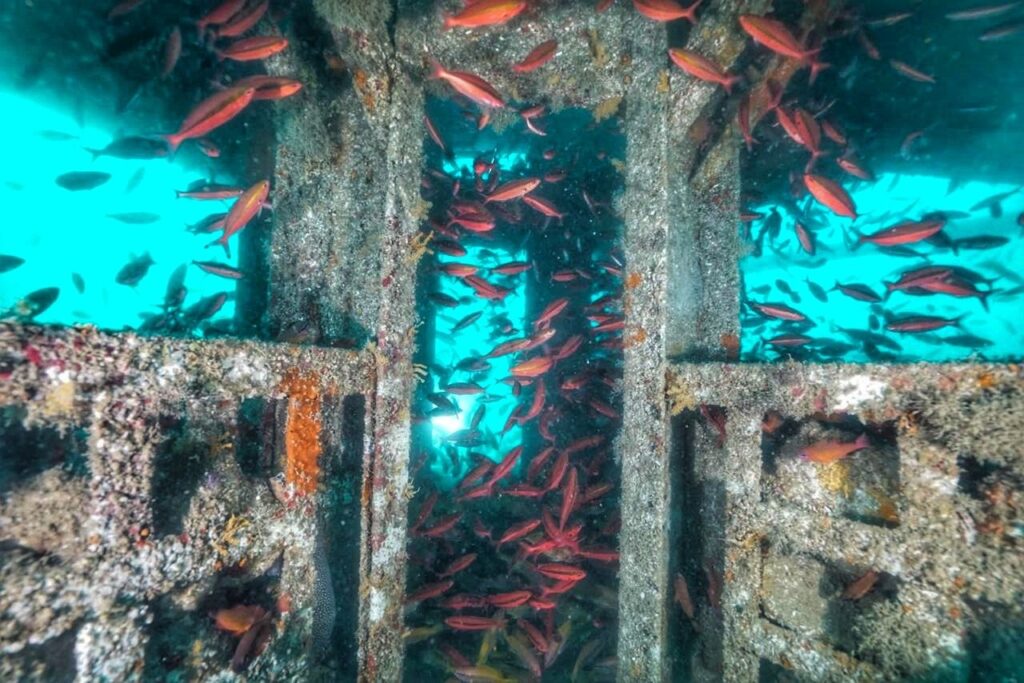
The coral farm features 4,280 artificial reef units across three primary models: the Arab Pyramid model, which includes 3,000 units at depths of 15-20 meters; the Cube model, with 1,200 units at depths of 20-25 meters; and the Steel model, standing 8 meters tall at depths of 25-30 meters.
Read More
- Oman’s Interior Minister receives Qatari counterpart to discuss security cooperation
- Oman’s Jood charity platform raises over Ro 2.78 million in 2026
- 26 arrested near Muttrah Beach for attempting to enter Oman illegally
- Three expats arrested in Oman’s Mahdah Wilayat over crystal meth and morphine possession
- Oman Labour Law: Can employers discipline workers for violations discovered more than 30 days later?





