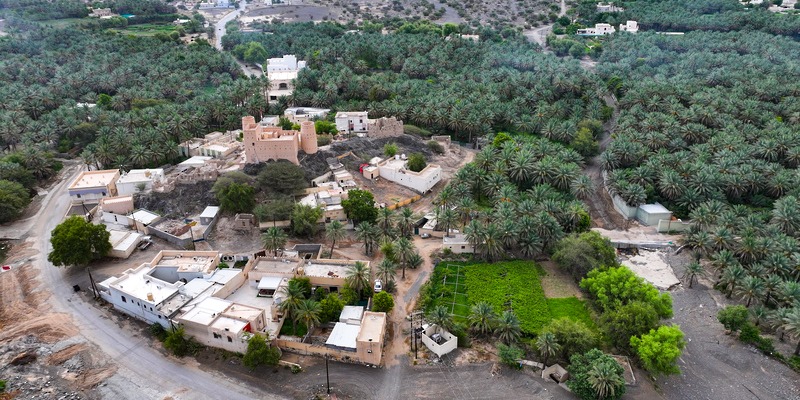
Muscat – The governorate’s diverse landscape, including stunning sand dunes, valleys, oases, and sulfur springs, combined with its rich history, continues to attract both domestic and international tourists.
Last year, the occupancy rate of hotel rooms – numbering 1,044 in 47 tourist facilities – in the governorate ranged between 60 and 90 percent during the tourist season from October to March.
Mohammed bin Saif Al Riyami, Head of Tourism Development Department at the Department of Heritage and Tourism in North Al Sharqiyah, confirmed that the governorate is gearing up for the winter tourism season to attract tourists from both within and outside the Sultanate of Oman.
The governorate boasts 10 hotels, 10 tourist camps, 9 guest houses, 12 green lodges, two rest houses, and 4 hotel apartment buildings.
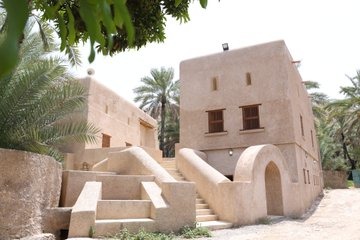
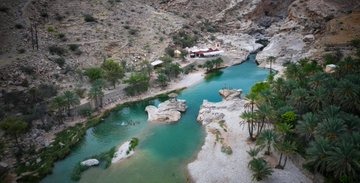
Al Riyami highlighted North Al Sharqiyah Governorate’s numerous tourist attractions, including the Al Sharqiyah Sands, wadis, the oases and sulfur springs in the Wilayat of Dima and Al Taiyyin, the water ponds, and the ‘Hawar’ waterfalls in the Wilayat of Wadi Bani Khalid. The region also boasts ancient mountain trails, castles, forts, popular markets, and historical neighborhoods such as the villages of ‘Al Minzfah’ and ‘Al Qanater’ in the Wilayat of Ibra.
The Ministry is actively working to convert several archaeological sites into tourist destinations due to the governorate’s rich historical heritage. The number of registered sites is 25, reflecting the cultural depth and archaeological significance of the region. Initiatives are underway to invest in these sites for tourism and trade.
Khamis bin Salem Al Maskari, Assistant Director of the Department of Heritage and Tourism in North Al Sharqiyah Governorate, identified key archaeological sites such as the Al Khashbah archaeological site, the Al Ghareen site, the Al Salili site in the Wilayat of Al Mudhaibi, and the Shanna archaeological site in the Wilayat of Al Qabil. He also mentioned the Al-Maysar and Samad sites, which date back to the third millennium BC and have undergone archaeological excavations since the Iron Age to the Islamic periods.
Read More
- Oman Foreign Minister holds talks with Tunisia, Brunei on bilateral ties and global developments
- Oman, Kazakhstan review bilateral ties and regional developments
- Oman’s Health Ministry urges public to act on suspected unsafe food
- Low clouds, fog expected over Muscat and Al Batinah
- Oman sets October 15 deadline for approval to use national symbols on products





