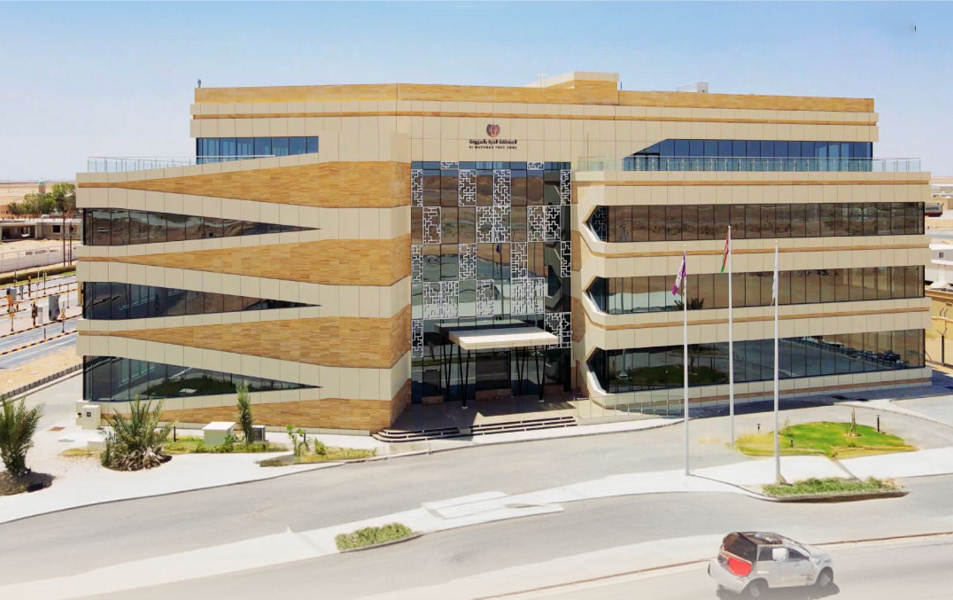

Muscat: Al Mazyouna Free Zone, the Sultanate of Oman’s first free zone on the southwestern border with Yemen, is rapidly emerging as a key player in regional trade. Covering 15 million square meters, the zone is designed to enhance trade between Oman and Yemen and facilitate transit to East African markets.
Eng. Ahmed bin Khamis Al Kasbi, Director General of Al Mazyouna Free Zone, revealed that the zone attracted over RO 5 million in investments during the first half of this year, pushing the total investment to RO 140 million. With 185 lease contracts and 102 projects operational, the free zone is experiencing robust growth, particularly from Yemeni investors.
A standout feature of the zone is its approved dry port, handling over 100,000 tons of goods in the first half of 2024 alone. Commercial activity has surged, with goods movement increasing from 33,000 tons in 2014 to 220,000 tons by the end of 2023.
Read More
- Oman records highest temperature of 46.2°C
- Heavy rain and hail lash Oman’s Al Buraimi, triggering wadi flows
- Honourable Lady visits Omani Women’s Association in Salalah
- Oman Foreign Minister holds talks with Tunisia, Brunei on bilateral ties and global developments
- Oman, Kazakhstan review bilateral ties and regional developments
The free zone offers a range of incentives, including a 30-year income tax exemption, no requirement for income declarations, and easy foreign currency transactions. Investors benefit from a reduced Omanization rate of 20%, simplified import processes, and the ability to fully own their projects. The zone also streamlines residence and visa procedures for non-Omani investors and allows Yemeni workers to operate without special visas.
Significant infrastructure investments have been made, including a RO 5 million project for road networks, sewage systems, and security enhancements. Upcoming projects include establishing a water desalination plant, refrigerated warehouses, and worker housing.
The free zone’s services are centralized through the Masar Center and the electronic “Edaa” system, which handled 16,500 transactions in the first half of the year. This system was recognized for excellence in the Logistics Sector Best Practices Award.
Eng. Al Kasbi also highlighted the completion of a RO 3 million services building ready to accommodate service companies involved in customs clearance, handling, and free trade.





