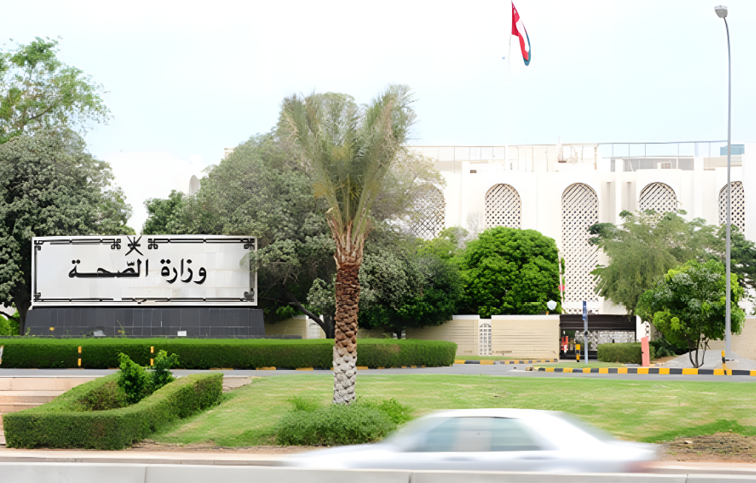

Muscat: Dr Qassim bin Mohammed bin Suleiman Al-Jahdhami, Head of the Organ Donation Department at the National Organ Transplant Program, has confirmed the recent ban on fundraising for overseas organ transplants in Oman. The decision comes after the Ministry of Health discovered that charitable groups were advertising donations for organ transplants on the black market abroad.
Dr Al-Jahdhami revealed that the department monitors societal activities and has received reports of individuals travelling abroad for illegal organ transplants. He emphasized that such procedures often occur outside legal and ethical frameworks, involving unqualified parties and unprepared facilities, thus falling into the realm of human and organ trafficking.
Article 25 of Chapter Six of the Organ Transplant Regulations explicitly prohibits the advertising or promotion of the sale and purchase of human organs and tissues. Furthermore, the Omani Penal Code (Article 321 bis) imposes strict penalties for these activities. The international community also criminalizes black market organ transplants, and they are considered religiously forbidden due to the potential exploitation of vulnerable individuals.
Read More
- Heavy rain and hail lash Oman’s Al Buraimi, triggering wadi flows
- Honourable Lady visits Omani Women’s Association in Salalah
- Oman Foreign Minister holds talks with Tunisia, Brunei on bilateral ties and global developments
- Oman, Kazakhstan review bilateral ties and regional developments
- Oman’s Health Ministry urges public to act on suspected unsafe food
Dr. Al-Jahdhami highlighted the severe risks associated with black market transplants, including complications, fraudulent operations, and cases where patients return with surgical incisions without receiving any transplants. He stressed that organ transplantation is the ideal solution for treating organ failure, but it requires a willing donor, whether alive or deceased.





