

Muscat: Located on the coastal strip in the western corner of Dhofar, Dhalkut is the first Wilayat to experience the Khareef season’s cool, misty weather. Known for its stunning natural beauty and diverse landscapes, Dhalkut captivates visitors with its pristine nature and breathtaking views.
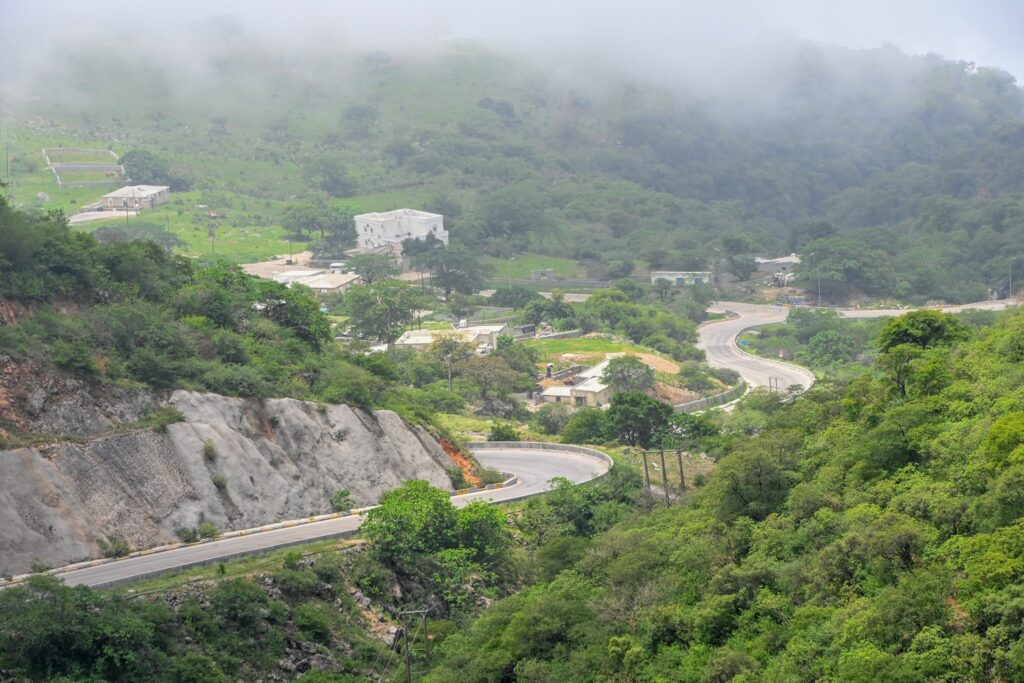
Among Dhalkut’s many attractions is the Khadhrafi area, situated 28 kilometres north of the Wilayat centre. This region is home to the aromatic Kadi trees, which were once abundant but have nearly vanished due to overgrazing. Efforts to preserve and propagate these rare trees have been spearheaded by Sultan Qaboos University through dedicated research.

Dhalkut boasts a rich variety of terrains, abundant fish production, and significant archaeological sites. The local waters yield molluscs, squid, sharks, and various fish species, while ancient cave inscriptions and a 350-year-old mosque highlight the Wilayat’s deep historical roots. The area also produces numerous crafts and agricultural products, benefiting from its moderate climate year-round.
Read More
- Honourable Lady visits Omani Women’s Association in Salalah
- Oman Foreign Minister holds talks with Tunisia, Brunei on bilateral ties and global developments
- Oman, Kazakhstan review bilateral ties and regional developments
- Oman’s Health Ministry urges public to act on suspected unsafe food
- Low clouds, fog expected over Muscat and Al Batinah
Natural springs and caves add to Dhalkut’s allure, with notable springs like Kharfoot, Al Mughsail, Khadrafi, and Sarfit providing scenic spots for visitors. Caves such as Shisa, Mashloul, and Asbir, adorned with archaeological inscriptions, offer a glimpse into the region’s past and serve as natural refuges.

A standout feature of Dhalkut is the giant Baobab tree, one of the largest and rarest trees in Oman. This impressive tree draws tourists and researchers alike, making it a focal point for those interested in plants and wildlife.





