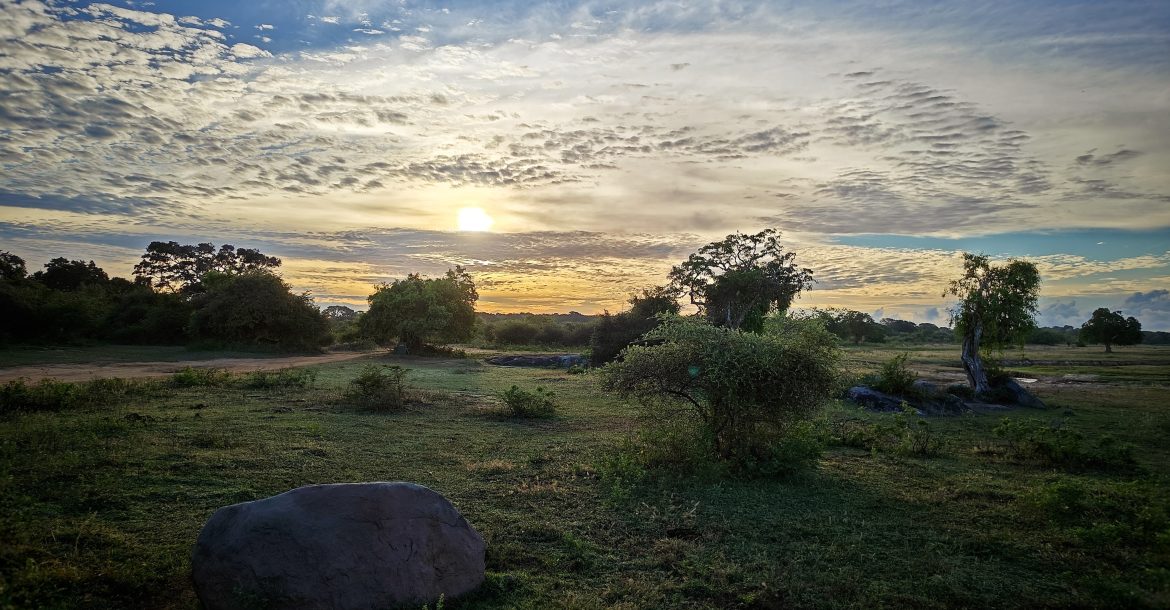

Things are getting quite balmy out in the world. Cities like Mumbai, Bengaluru, and various other metropolitan and less developed regions of India are currently facing adverse heat waves.
With climate change actively restructuring the way we think about nature and our role in preserving it, we need to look towards the lush green lungs of the earth, our forests.
Forests around the globe are not just a complex eco-system, but also our greatest hope in the fight against climate change. They absorb carbon dioxide from the atmosphere and store it in their wood, leaves, and soil, which significantly slows the rate of climate change. Forests are considered “carbon sinks” because they can absorb and store carbon over a long period of time.
Read More
- Mexico, Peru restore diplomatic ties after nine-month rift
- Abelardo De La Espriella officially sworn in as Colombia’s President
- Iran, Oman reach ‘general framework’ on Strait of Hormuz arrangements
- Sri Lanka prison riots leave 3 dead, more than 20 injured
- Seven dead, 15 injured in Thailand high school shooting
Forests play a huge role in supporting various life forms that not only make our earth a beautiful place to live in but also maintain the balance that we delicately tread on.
So, to escape the heat and transport yourself to one of the most popular spots in the world, let’s take a trip to Yala National Park in Sri Lanka.
Situated in the southeastern part of Sri Lanka, Yala is not just another national park; it’s a sanctuary where nature’s beauty and wildlife’s majesty converge.
Yala’s rich history dates back centuries, with its roots as a wildlife sanctuary tracing back to 1900. However, it wasn’t until 1938 that it officially gained the national park status. Nestled within its sprawling expanse lies the ancient Buddhist temple of Sithulpawa, a serene reminder of the region’s spiritual heritage dating back over 2,000 years.
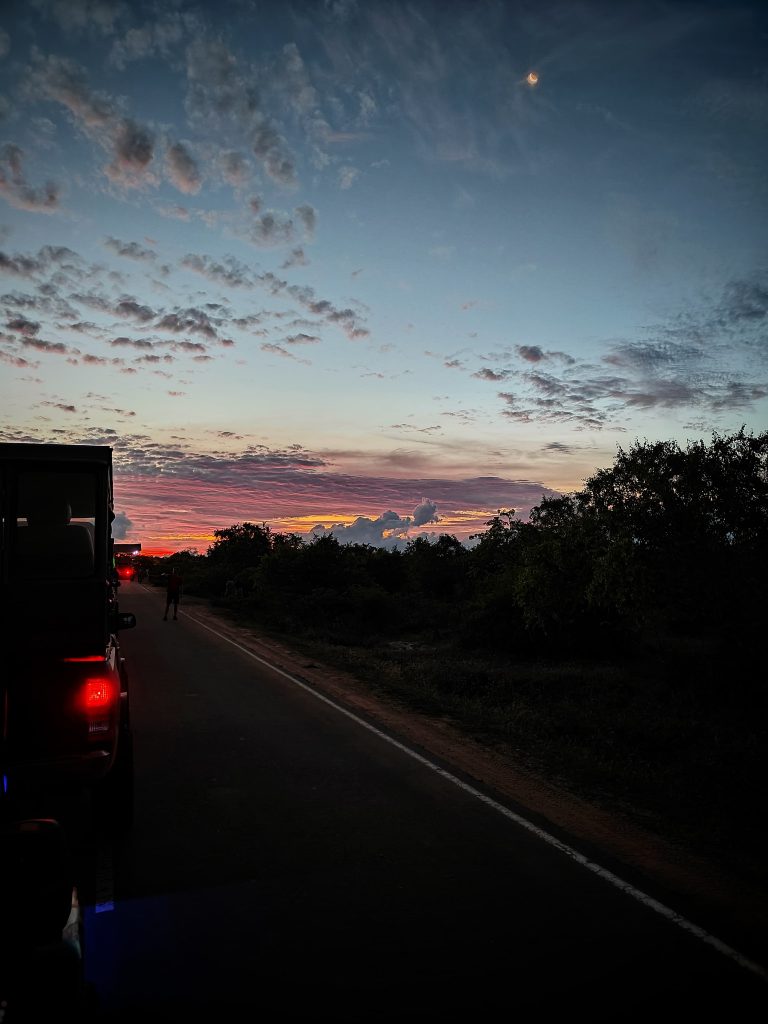
When your safari jeep rumbles, and you enter the National Park, you are engulfed with silence and the intoxicating sounds of the vast jungle. Sri Lanka is a tropical island in the Indian Ocean, so it can get quite humid and warm, but as soon as you enter the National Park, the thick forests bring down the temperature, making it seem like you have entered a portal to another dimension.
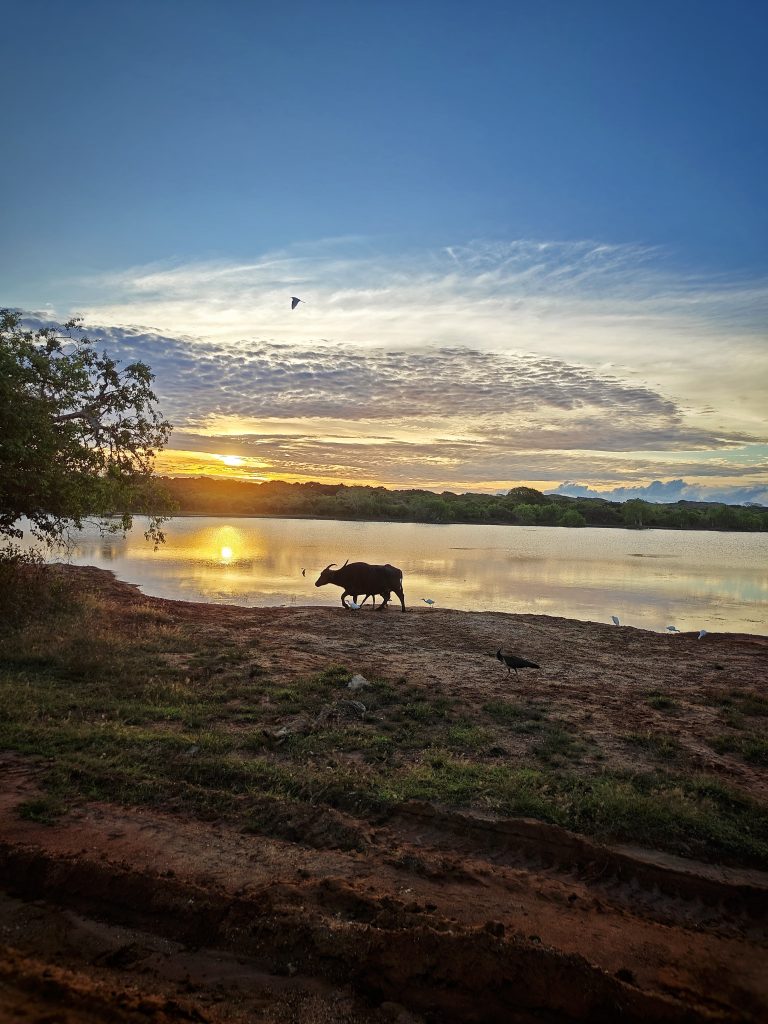
What makes Yala truly special is its thriving biodiversity, boasting the highest density of leopards per square kilometre globally. Block I, the park’s most visited area, promises unparalleled leopard sightings, along with encounters with sloth bears, Asian elephants, deer, monkeys, and a plethora of bird species, including endemics like the Sri Lanka grey hornbill and the brown-capped babbler.
For wildlife enthusiasts, the best time to visit Yala is during the dry season from May to September. During this time, wildlife congregates around water sources, enhancing your chances of unforgettable sightings. Whether captivated by leopards, elephants, or rare bird species, Yala promises an immersive wildlife experience.
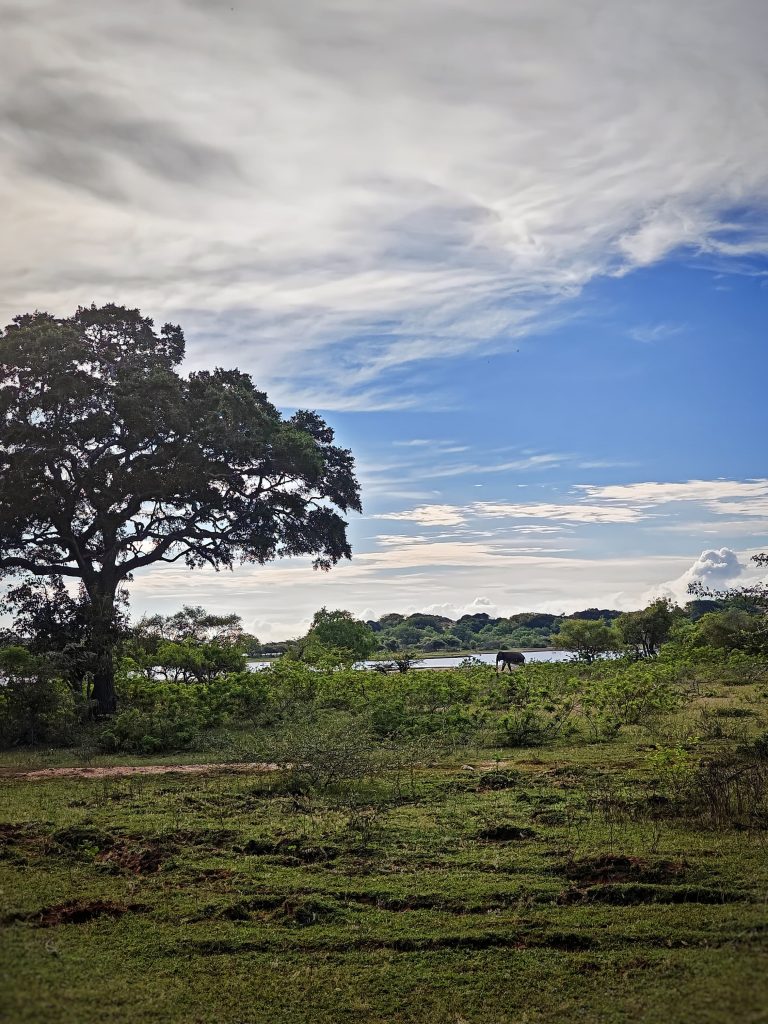
As one of Sri Lanka’s premier national parks, Yala stands as a testament to the country’s commitment to conservation and ecotourism and reminds us that we desperately need these forests to mitigate climate change.





