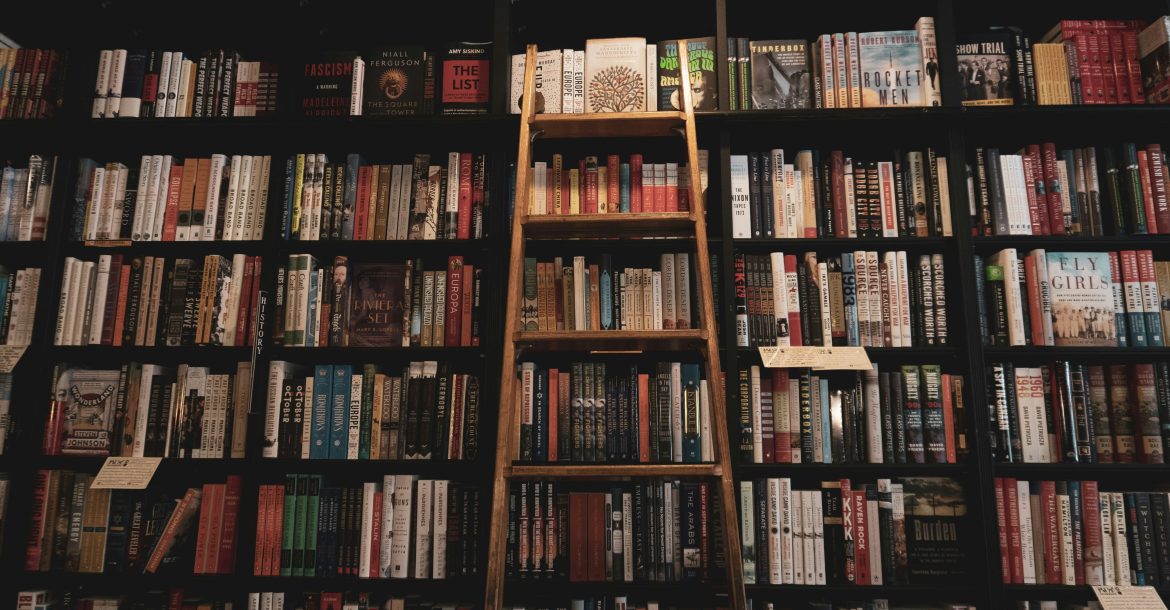

There is, apparently, a constant need to absorb information and entertainment from online platforms, but what about picking it up from an actual book? Have you read any book for pleasure in the recent past?
While the digital world continuously prompts us to read and assimilate information, whether it is personal messages via WhatsApp and emails or other regional, global or even mundane issues over social media and digital platforms, the topic here, clearly, is about reading a good old book. Like the good old days.
Long before internet altered the very fabric of our world, reading was an everyday affair; it was a pastime, a hobby that filled up all the vacant hours. Libraries were a constant source of new books and old titles. It was a haunt for many book lovers who took pride in holding a book as a clutch in their arms.
Read More
- Mexico, Peru restore diplomatic ties after nine-month rift
- Abelardo De La Espriella officially sworn in as Colombia’s President
- Iran, Oman reach ‘general framework’ on Strait of Hormuz arrangements
- Sri Lanka prison riots leave 3 dead, more than 20 injured
- Seven dead, 15 injured in Thailand high school shooting
And so, for generations, the image of someone curled up with a good book was a symbol of peace; of pure enjoyment. Even reading in public spaces – gardens and squares – was such a delightfully orchestrated relaxation.
That things have undergone a metamorphosis of sorts in today’s fast-paced world is a given. While there are myriad layers to this transformation, each peeling to reveal a world that is far removed from those slow-paced ones filled with guiltless idleness, one that would stand out, owing to obvious reasons, is the fast fading art of reading for pleasure.
Understandably, this decline in reading habits is a concern for educators, parents, and just about anyone who is passionate about books and the written word.
Here are a few statistics, culled from online resources, to highlight the fading habit:
- 33 percent of teenagers haven’t picked up a book for pleasure in an entire year.
- People aged between 15 and 44 are spending an average of just 10 minutes or less per day with books.
- Those aged 51 and above are dedicating over 50 minutes per day to reading.
- Reading for pleasure among children aged 8 – 18 has declined from 58 percent in 2016 to 43 percent.
So, why is there a drought in the reading farm? Is it thanks to our shortened attention span? A lack of external stimuli…?
Harry Potter may have been responsible for bringing back bookworms when the series’ first hit the market, but the strain has not continued over the years.
Children (even adults) today are bombarded with digital stimulation. From tablets to addictive video games, screens offer instant gratification and a constant stream of novelty. Sitting down with a book, which requires focus and imagination, can seem comparatively dull.
While E-books and audiobooks offer convenience, allowing us to consume literature on the go, they can’t fully replicate the immersive experience of a physical book. The inimitable sensation of turning pages, the endless option to reread passages, and the focused attention required all contribute to a deeper understanding and appreciation of the written word.
Books spark creativity, empathy, and critical thinking skills. They transport us to new worlds, introduce us to diverse characters, and challenge our perspectives.
Let’s rekindle the love of reading.
Let’s ‘bookmark’ our lives!
April 23: A day to celebrate the written word
As bibliophiles and others gear up to celebrate ‘World Book Day’ (also known as World Book and Copyright Day) on April 23, TAS Weekly presents a peek into the inception of the day and its current connotations
World Book and Copyright Day boasts a surprisingly literary origin story. In 1922, a passionate Spanish publisher named Vicente Clavel Andres championed a day dedicated to books, honoring the legendary novelist Miguel de Cervantes.
The first celebration unfolded on Cervantes’ birthday, October 7, 1926. However, by 1995, UNESCO took the reins, shifting the date to April 23rd. This new date held special significance – it marked the death anniversaries of literary giants like Cervantes, William Shakespeare, and Inca Garcilaso de la Vega.
World Book and Copyright Day is a global call to action, reminding us of the power of reading and the importance of protecting authors’ rights. From book donations and reading challenges to public events and copyright awareness campaigns, the day is a vibrant celebration of literature’s impact on our world.
UNESCO even awards the Prize for Children’s and Young People’s Literature in the Service of Tolerance, highlighting the power of books to foster understanding and peace. Every year, a different city is also chosen as the World Book Capital, solidifying the international commitment to literacy and knowledge sharing.
So, the next time you open a book, remember World Book and Copyright Day is a celebration not just of stories, but of the transformative power of reading itself.

Reading is a Key to Success: Jane Jaffer
Jane Jaffer*, founder of ‘Let’s Read’ initiative, reveals why reading is more than just a pastime—it’s the key to unlocking success; from boosting vocabulary and writing skills to improving concentration and broadening perspectives, every page turned brings new opportunities.
Why should we make time to read?
What are the benefits?
Reading is a key to success.
When we read, we build our vocabulary and learn how to express ourselves clearly and with confidence. We strengthen our writing abilities and improve our concentration levels and memory. We increase our knowledge and gain a better perspective on the world when we read.
A child that reads is a child that succeeds! Good readers get better school grades, better qualifications, and therefore a broader range of career opportunities.
Reading stimulates our imagination, giving us creative ideas and helping us to find solutions to the problems we encounter.
Reading about the challenges and obstacles that other people have overcome in their lives helps us to develop emotional intelligence and empathy for others as we ‘walk in another person’s shoes.’ Reading other people’s stories can motivate and inspire us and even help us to understand ourselves.
Reading reduces stress levels and aids relaxation. There is nothing better than curling up with a good book and being transported into another world. Pure escapism! Next time you are looking for a gift for someone, remember; a book is a gift you can open more than once.* In 2007, Jane founded the Let’s Read Programme to promote the love of reading to children in Oman. The Maktabati Mobile Library has been visiting schools, festivals and fairs across Oman, since 2013, providing children with good reading experiences and access to good books in Arabic and English. The Let’s Read Charity Bookshop is open from 10-8pm on the 3rd floor of Oman Avenues Mall. The bookshop also showcases books by local authors. Jane has written four children’s books. Her latest children’s book, Zavian and the Arabian Leopard Cub, is available for purchase in the bookshop.





