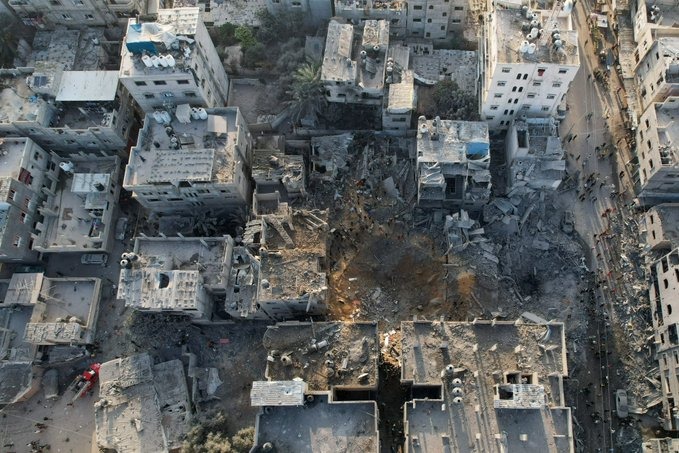

Muscat: The situation remains dire as morning air strikes by Israeli forces on a residential building in Gaza City have resulted in the tragic loss of 10 lives. Meanwhile, US Secretary of State Antony Blinken’s presence in Tel Aviv underscores ongoing efforts to negotiate an exchange deal and secure a ceasefire in the region.
The recent escalation in violence between Israeli forces and Palestinian groups has intensified the humanitarian crisis in Gaza. The UN Security Council’s inability to pass the US resolution highlights the complexities and challenges in finding a diplomatic solution to the conflict.
According to reports, the morning air attack by Israeli forces on a residential building in the northwest of Gaza City claimed the lives of 10 individuals, adding to the mounting civilian casualties. Israeli air strikes have continued across Gaza, with separate strikes on homes in Rafah and Khan Younis resulting in the deaths of 11 people.
Read More
- Mexico, Peru restore diplomatic ties after nine-month rift
- Abelardo De La Espriella officially sworn in as Colombia’s President
- Iran, Oman reach ‘general framework’ on Strait of Hormuz arrangements
- Sri Lanka prison riots leave 3 dead, more than 20 injured
- Seven dead, 15 injured in Thailand high school shooting
US Secretary of State Antony Blinken’s visit to Tel Aviv signals ongoing diplomatic efforts to broker a ceasefire and address the humanitarian situation. However, with Russian and Chinese opposition to the US-drafted resolution, and Algeria joining them in voting against it, the path to a peaceful resolution remains uncertain.
The toll of the conflict is staggering, with at least 31,988 Palestinians killed and 74,188 wounded in Israeli attacks on Gaza since October 7. On the other side, the death toll in Israel from Hamas’s October 7 attack stands at 1,139, with numerous individuals taken captive.
While eleven countries in the 15-member Security Council backed the resolution, the opposition from major players like Russia and China, along with Algeria’s vote against it, underscores the deep divisions and challenges in achieving a consensus on effectively addressing the crisis.





